District Reports on Viken Deposit Economic Impact Study that Delivers US$7.66 Billion (74.33 Billion SEK) Economic Contribution
District’s Viken PEA yields $2.88B NPV while EIS projects $7.66B economic impact.
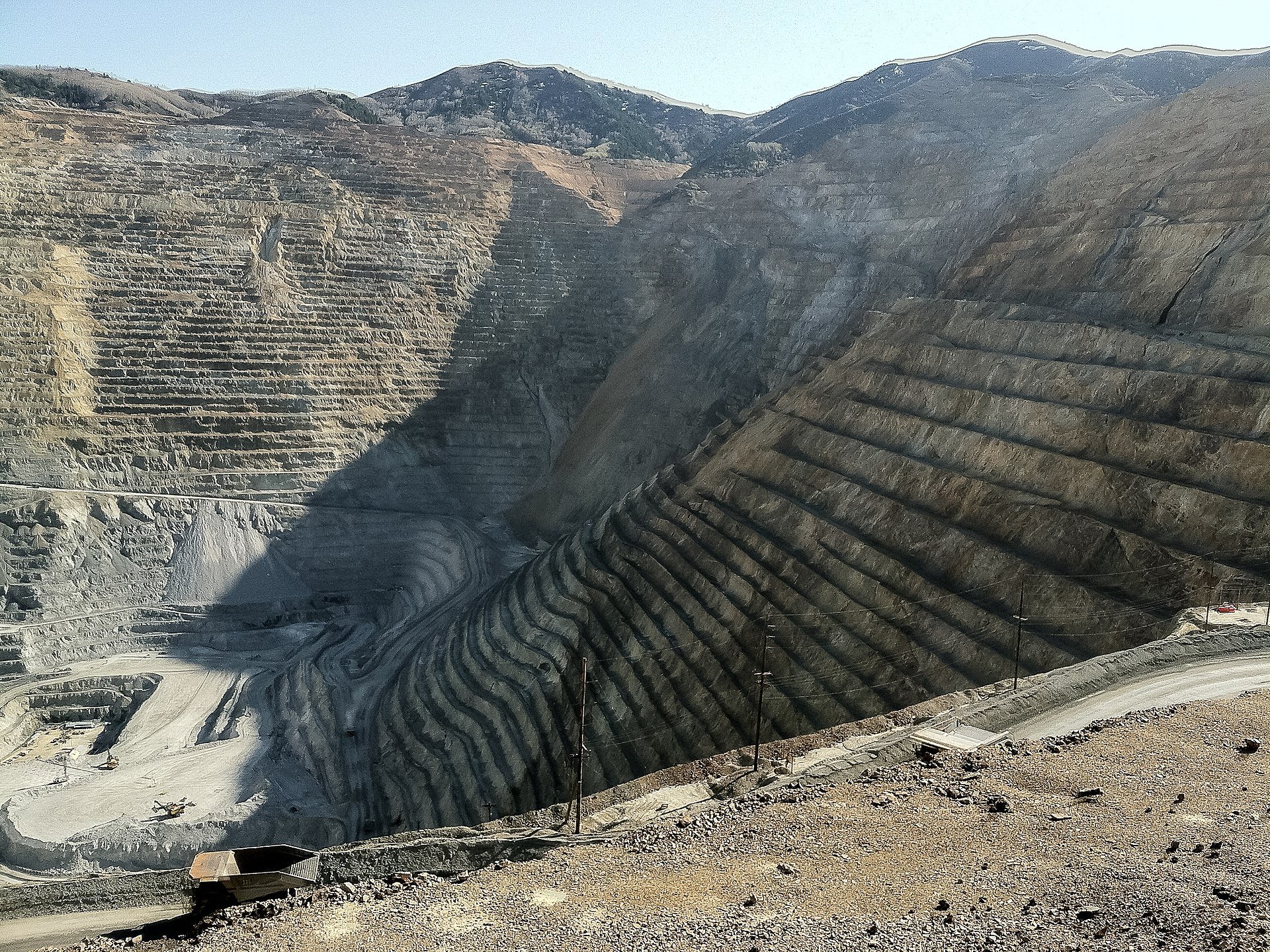
District Metals Corp. announced an independent Economic Impact Study (EIS) by BDO Canada LLP for its Viken Energy Metals Deposit in Sweden. The study projects a cumulative US$7.66 billion economic contribution over a conceptual 13-year Phase 1 mine life, with US$7.63 billion accruing directly to Sweden. Government tax revenues are projected at US$1.58 billion in direct corporate income taxes and US$199.6 million in employment taxes, supporting approximately 1,065 full-time jobs.
The EIS is directly tied to the Preliminary Economic Assessment (PEA) filed on July 17, 2026, which outlined an after-tax NPV8% of US$2.88 billion, an IRR of 45.9%, and a 2.1-year payback period on US$876 million in initial capital costs. The project targets annual production of 3.3 million lbs U3O8, 16 million lbs V2O5, and 250,000 tonnes of sulphate of potash (SOP), with negative unit operating costs for uranium due to substantial by-product credits.
District Metals Corp. (DMX) released an Environmental Impact Statement (EIS) five days after its Preliminary Economic Assessment (PEA). The EIS details substantial economic contributions, including job creation and tax revenues for the Viken project in Sweden. These figures are derived from the PEA’s financial model and were anticipated by the market. The release does not introduce new financial metrics, revised resource estimates, or unexpected operational milestones.
District Metals Corp. (DMX) is a Canadian exploration and development company focused on the Viken Energy Metals Deposit in Jämtland County, Sweden. The flagship Viken deposit hosts the world's largest undeveloped uranium resource estimate, along with significant resources of vanadium, potash, molybdenum, nickel, copper, and zinc. The project is a 100%-owned open-pit operation utilizing a conventional truck-and-surface miner method with a low 0.2:1 strip ratio. Processing involves crushing, grinding, flotation, pug roasting, SOP crystallization, ion exchange, and solvent extraction, with dry stack tailings. The company is also exploring district-scale potential across its ~151,328-hectare Alum Shale Properties using MobileMT geophysics.