District Confirms MobileMT Geophysical Anomalies by Intersecting Graphitic Black Shale in Every Drill Hole at the Alum Shale Properties in Sweden
District identified black shale across the deposit, though assays are pending to confirm grade, scale and continuity.
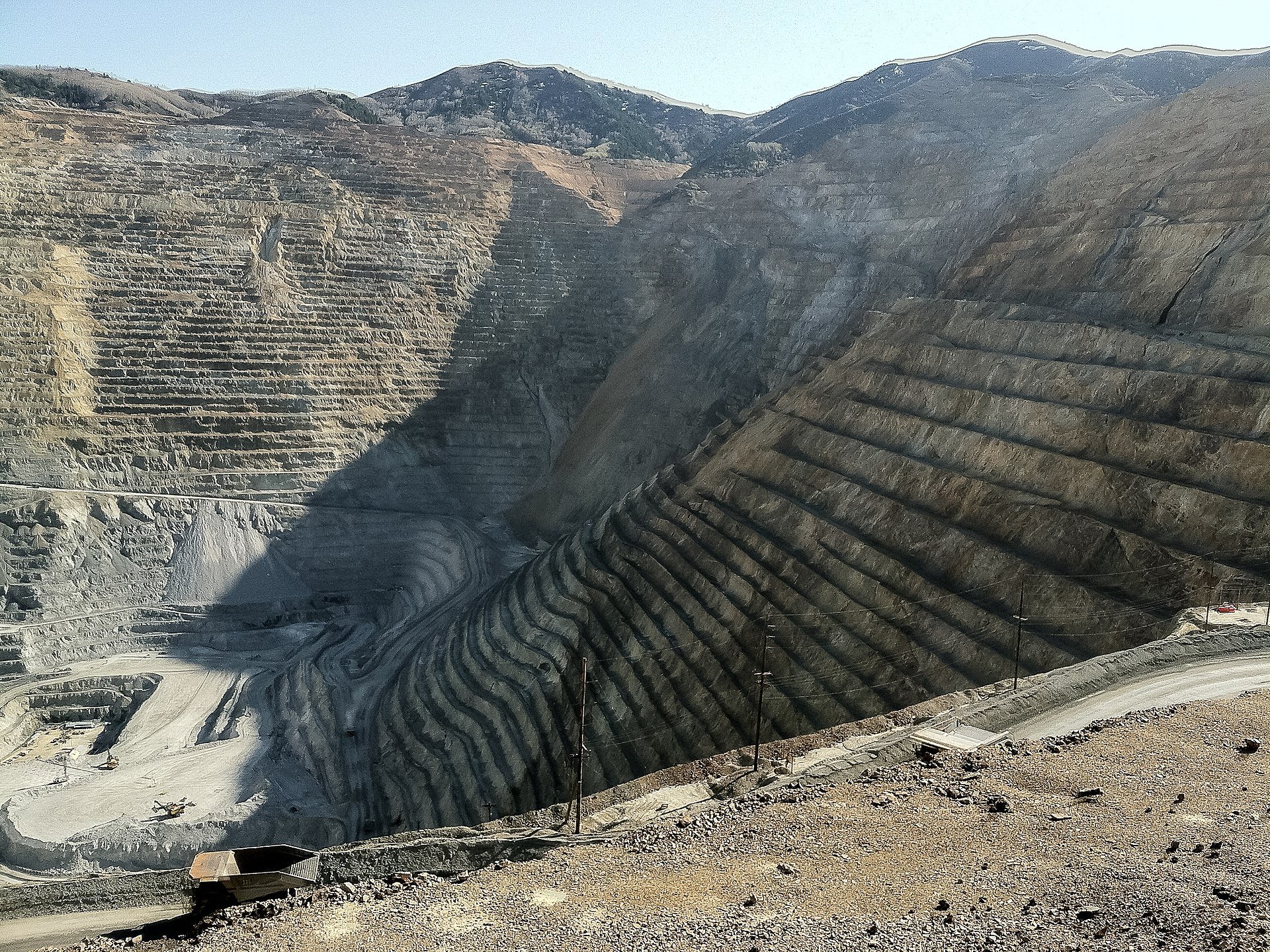
District Metals Corp. (DMX) has completed its first diamond drilling program at the Österkälen and Malgomaj mineral licences, both located within the Alum Shale Properties in central Sweden. The company drilled a total of 1,943 metres across 15 completed holes. Three additional holes at Malgomaj nr 1002 were abandoned due to unconsolidated and weathered ground, resulting in 100% drill core loss.
All 15 completed holes intersected visually logged graphitic black shale and/or grey-dark grey shale, which is interpreted as the Alum Shale Formation. Reported approximate composite downhole shale thicknesses include 50.5–65.0 metres at Österkälen nr 101, 87.5–141.0 metres at Malgomaj nr 1003, and 79.0–86.5 metres at Malgomaj nr 1002.
Highlighted lithological intervals include: * OST-26-007 with 14.40 m graphitic black shale plus 50.35 m grey-dark grey shale * MAJ-26-009 with 79.40 m graphitic black shale * MAJ-26-007 with 56.75 m and 23.25 m graphitic black shale
Handheld Exploranium GR-110 radioactivity readings were reported as background to weak. No assays, metal grades, cutoff grades, or metal continuity data are provided; all shale intervals are being sampled and geochemical results are pending.
District Metals Corp. (DMX) released data confirming that the MobileMT system successfully identified thick graphitic Alum Shale beneath previously untested anomalies. This finding represents a modest technical positive, though it does not alter the Viken resource, Preliminary Economic Assessment (PEA), or the resource potential of Österkälen/Malgomaj, as no metal grades or continuity data were provided.
The stock has fallen from $1.53 to $0.56 despite the Viken PEA, suggesting the market is currently focused on regulatory risk, financing, and PEA uncertainty rather than pricing in the new discovery. As an early-stage explorer outside of Viken, District is subject to stage weighting where a lithology-only confirmation cannot re-rate the equity. The value-defining data, specifically assays, remain to come.
District Metals Corp. (DMX) is a Sweden-focused uranium polymetallic exploration and development company, with its flagship asset being the 100%-owned Viken Deposit. The company’s Viken Mineral Resource Estimate includes an Indicated category of 456 Mt at 175 ppm U3O8, 2,836 ppm V2O5, 257 ppm Mo, 330 ppm Ni, 113 ppm Cu, and 411 ppm Zn, alongside an Inferred category of 4,333 Mt at 161 ppm U3O8 and 2,543 ppm V2O5.
A June 2026 Preliminary Economic Assessment (PEA) for Viken projects an after-tax NPV8 of US$2.88 billion, an internal rate of return (IRR) of 45.9%, and a payback period of 2.1 years. The assessment outlines an initial CAPEX of US$876 million and a 13-year mine life, with negative uranium cash costs after by-product credits. The PEA is preliminary in nature, incorporating approximately 23% Inferred feed and containing no Mineral Reserves.
Financially, District Metals reported cash of $8.14 million as of March 31, 2026, supplemented by a $10 million private placement closed on May 12, 2026, at C$0.68 per share. The company holds no debt and reported a nine-month net loss of $1.84 million, with going-concern language present in its filings.
Regulatory developments in Sweden include the lifting of the uranium moratorium effective January 1, 2026. However, a 2026 government inquiry into Alum Shale mining could introduce new municipal veto risk. The investor presentation provided by the company is dated March 2021 and outlines a Bergslagen VMS/SedEx strategy; it is considered stale relative to the current uranium-alum shale focus and serves only as historical context.