Atha Energy Final Assays From 2025 Angilak Exploration Program Confirm High-Grade Discoveries at KU and Mushroom Lake Targets - Grades up to 1.56% U3O8 and 1.10% U3O8, Respectively, and Expansion of Mineralization at the Lac 50 Deposit With Grades up to 1
ATHA Energy Validates District-Scale Uranium Potential at Angilak as $63M War Chest Targets Massive 2026 Expansion
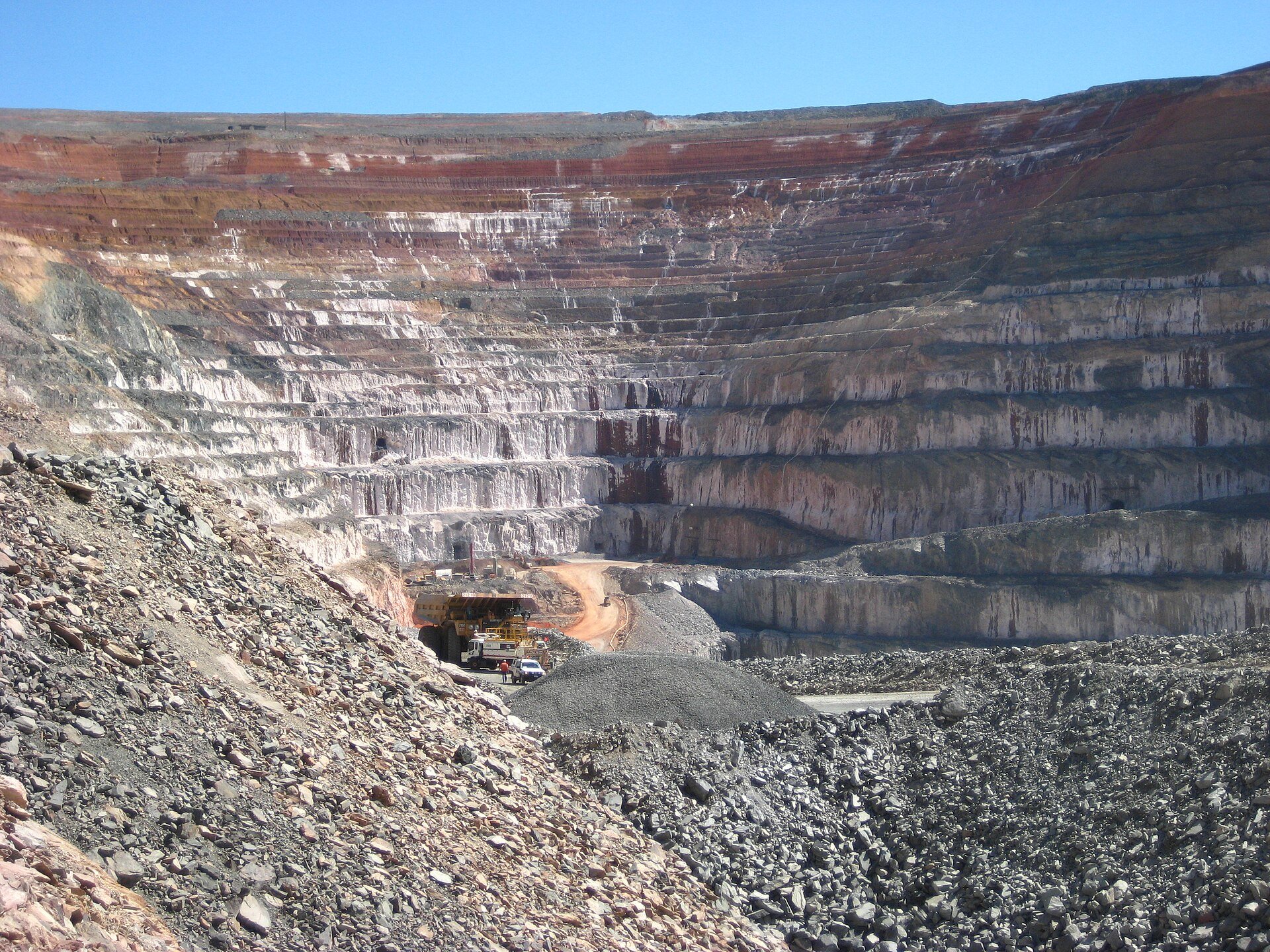
The most recent news (Feb 26, 2026) confirms final assay results from the 2025 Angilak Exploration Program in Nunavut. Key highlights include: - High-Grade Discoveries: Confirmed grades up to 1.56% $U_3O_8$ at the KU target and 1.10% $U_3O_8$ at Mushroom Lake. - System Expansion: Drilling at the J4/Ray zone (Lac 50 Deposit) extended mineralization with grades up to 1.47% $U_3O_8$, proving the deposit remains open. - Scale Confirmation: Widespread mineralization at the KU Discovery area suggests a much larger mineralizing system than previously modeled. - Corridor Development: The program successfully de-risked three major corridors: Lac 50 (21 km), KU-Nine Iron (14 km), and the Mineralized RIB Corridor (18 km).
The impact is Material - Positive. While the market was aware of radioactivity from preliminary "gamma probe" data in late 2025, these final chemical assays confirm that the radioactivity is indeed high-grade uranium. - De-risking: The 100% success rate in intersecting mineralization across 45 of 46 holes drilled since 2024 is statistically significant for a junior explorer. - Strategic Validation: The results validate the "Athabasca-style" thesis for the Angikuni Basin, which is critical for attracting major mining partners. - Funding Synergy: These results arrived just weeks after the company closed a massive $63 million financing (Feb 5, 2026), ensuring the company is fully funded to exploit these new discoveries immediately.
ATHA Energy is a Canadian uranium explorer with a massive land package across the Athabasca Basin (Saskatchewan), Thelon Basin, and its flagship Angilak Project in Nunavut. Angilak is a district-scale asset hosting the Lac 50 deposit. The project is unique because it shows geological similarities to the high-grade Athabasca Basin but remains significantly less explored.