ATHA Energy Reports Widest Intersection to Date at Rib North Discovery with 37 m of Composite Uranium Mineralization in Ribn-DD-003 - Multiple Drillholes Demonstrating Continuity of Uranium Mineralization
Atha’s RIB North project shows probe-detected strike continuity, though laboratory assays are pending to confirm the resource grades.
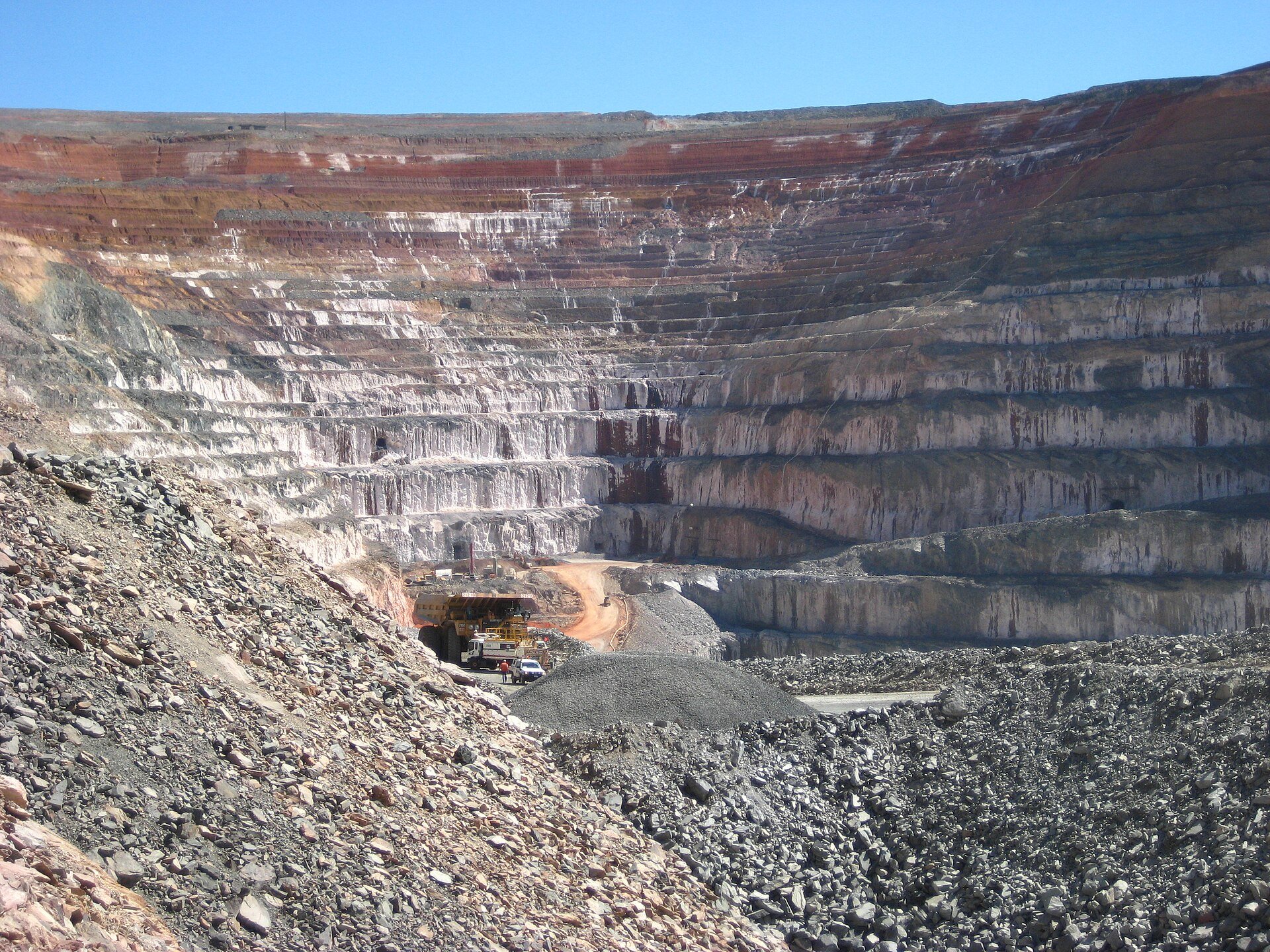
Atha Energy Corp. (SASK) released preliminary diamond drilling results from the first eight holes of the 2026 Angilak Exploration Program at the RIB North Discovery. Downhole gamma probe readings, measured in counts per second (CPS), indicate uranium mineralization in six of the eight holes.
Key highlights from the program include:
- RIBN-DD-003 (step-out ~120 m along strike northwest of discovery hole RIBN-DD-001): 37.0 m total composite uranium mineralization over 15 zones (541.7–652.0 m). Widest continuous interval 8.5 m avg 696 CPS (max 4,612 CPS). Highest-grade interval 4.5 m avg 4,589 CPS (max 14,773 CPS), including >1.0 m of >10,000 CPS.
- RIBN-DD-009 (ongoing, ~100 m up-dip from RIBN-DD-003): 17.5 m composite over 6 zones (298.5–516.5 m); widest continuous 14.5 m avg 1,507 CPS, including 20 cm of >13,807 CPS.
- RIBN-DD-008 (western limb, ~1 km from main area): 14.0 m composite over 9 zones (398.0–646.0 m); two high-grade zones of 2.5 m each with averages 2,529–2,711 CPS and peaks 11,798–11,725 CPS.
All intercepts represent core length, and true width has not been determined. The company did not provide laboratory percentage U₃O₈ assays, relying solely on gamma probe readings. Samples will be analyzed by SRC for uranium by fluorimetry, with results pending.
Atha Energy Corp. (SASK) released incremental news confirming that the RIB North mineralized system continues along strike and at depth, while also identifying a secondary structure 1 km away. The company is an early-stage explorer with no established resources, and a resource definition remains distant.
The probe data signal mineralization but do not provide lab-certified %U₃O₈ grades, meaning the results cannot define grade. Consequently, the release does not constitute a new discovery or a material upgrade to the project’s resource potential. A resource change is far off, and even a successful step-out with assays might not re-rate the equity unless accompanied by a major expansion of the conceptual exploration target or the discovery of a new high-grade zone. This probe report does not achieve that threshold.
The market had already priced in the 2025 RIB North discovery and the active 2026 drill program. The stock rallied from $0.50 to $1.23 over the past year and moved up on the July 8 Lac 50 NW probe results, rising from $0.98 to $1.08. Therefore, this release is partly anticipated. Given the company’s going-concern warning and substantial dilution overhang, such probe-only results are treated as routine noise until assays prove grade.
Atha Energy Corp. (SASK) is a Canadian uranium explorer that owns 100% of the Angilak Project in Nunavut’s Angikuni Basin, the CMB Project in Labrador, and a 10% carried interest in Athabasca Basin projects operated by NexGen and IsoEnergy. The flagship Angilak Project contains the Lac 50 Deposit, which has a conceptual exploration target of 60.8–98.2M lbs U₃O₈ at 0.37–0.48%, along with multiple discovery corridors including RIB and KU‑Nine Iron.
The company raised C$63M in February 2026 to fund a 20,000‑m drill program in 2026. Atha Energy has no revenue and no reserves, reporting a net loss of C$5.7M in Q1 2026. Significant risks include a going‑concern note and heavy dilution overhang from options, warrants, and convertible debentures.