Sigma Lithium Produced 35,000t Lithium Concentrate in 2Q26, Beat Guidance, Delivering Successful Mining Operations Upgrade
Sigma’s narrow Q2 production beat masks ballooning costs and a shaky balance sheet.
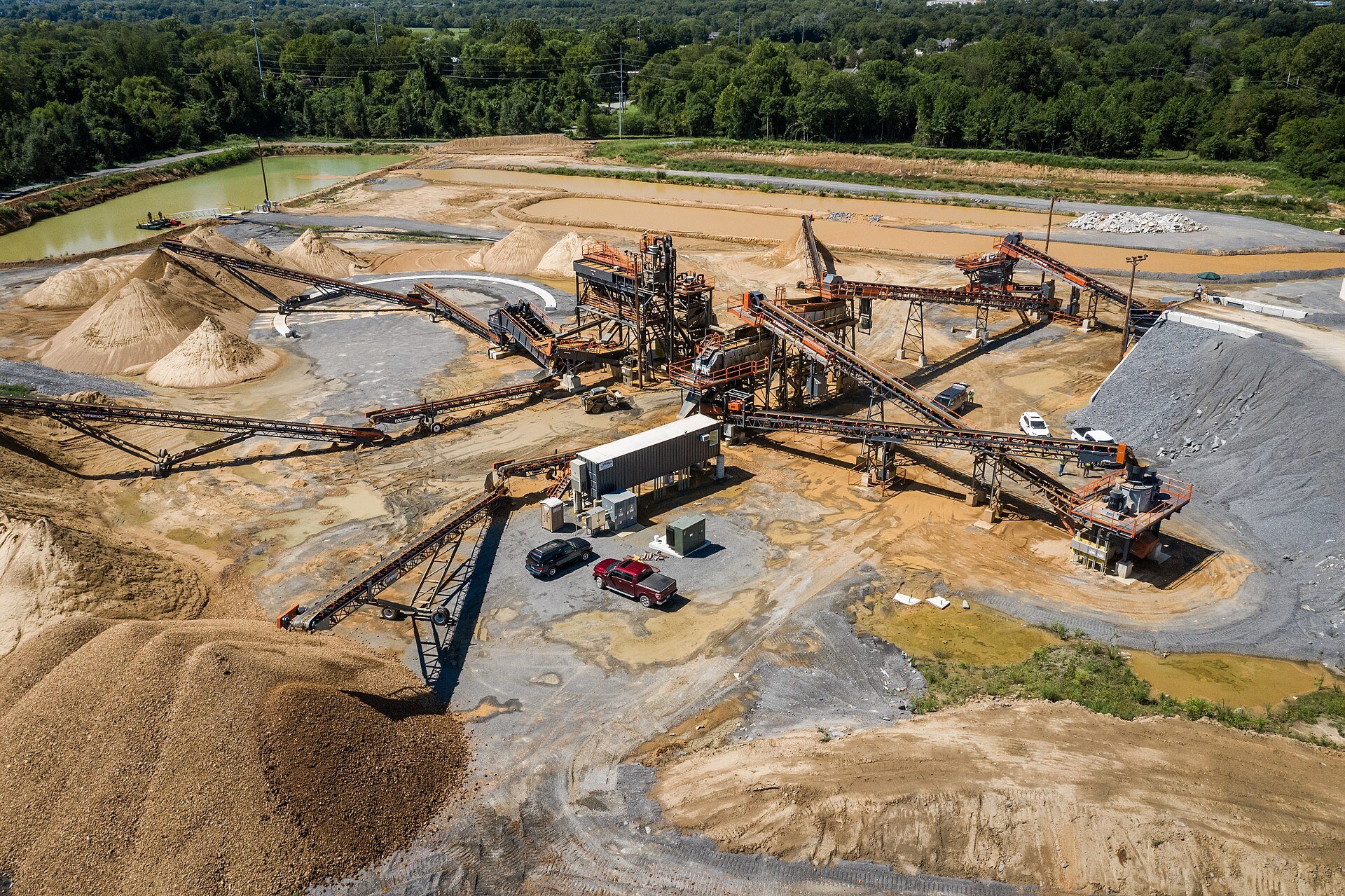
Sigma Lithium Corporation (SGML) reported second-quarter 2026 production of 35,000 tonnes of lithium concentrate, surpassing its guidance of 33,000 tonnes for a 6% beat. The company’s Cleantech plant achieved a 70% lithium recovery rate with approximately 20% yield, while the mining fleet operated at full run-rate.
The company maintains its annualized Phase-1 production target of 240,000 tonnes and plans to construct Plant 2, with the potential for Plant 3, within the next 12 months. Sigma reiterates its cost structure for Phase-1, citing an All-In Sustaining Cost (AISC) of $710 per tonne. This figure comprises a CIF China cash cost of $624 per tonne, $6 per tonne in maintenance capital expenditures, and $80 per tonne in selling, general, and administrative expenses.
Cash-flow projections remain unchanged from the May release, estimating $130 million for Phase-1 and $1,135 million for Phase-1 through Phase-3, based on lithium prices between $1,500 and $2,500 per tonne. Sigma Lithium is scheduled to release its full Q2 2026 financial results on August 14, 2026.
Sigma Lithium Corporation (SGML) reported a 6% quarterly beat, a result that analysts view as incremental against the backdrop of a larger story defined by an AISC miss and a fragile balance sheet. The stock has already declined approximately 50% from its May highs, suggesting that this slight positive is unlikely to re-rate the stock materially. With no new cost or cash-flow improvements identified and going-concern risk persisting, the news is considered routine and positive, but insufficient to alter the risk/reward profile.
Sigma Lithium Corporation (SGML) operates the Grota do Cirilo lithium complex in Minas Gerais, Brazil. The company’s Phase-1 Greentech plant has a nameplate capacity of 270,000 tonnes per year of lithium concentrate, equivalent to approximately 38,000 to 40,000 tonnes of lithium carbonate equivalent. Phase-2 is currently under development with a target capacity of 520,000 tonnes per year, while Phase-3 is planned for 770,000 tonnes per year. The facility utilizes proprietary dry-stacking and water-reuse technology, providing strong environmental positioning, and maintains a large workforce with significant regional economic impact.