Goliath Receives $1,730,882 Through Warrant Exercises, Inclusive Of Crescat Capital A Longtime Strategic And Cornerstone Shareholder
Goliath bolsters treasury with strategic warrant exercises as it prepares to digest a massive assay backlog.
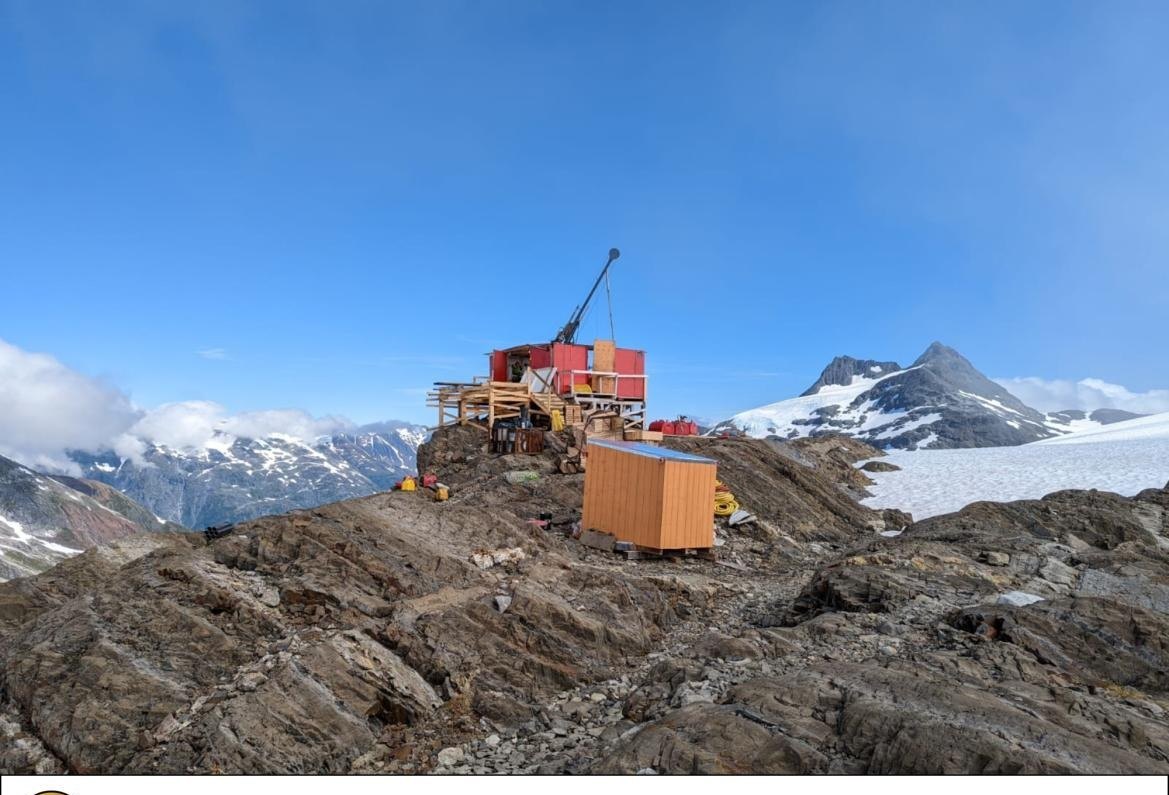
The news release dated December 22, 2025, announces that Goliath Resources has received $1,730,882 from the exercise of warrants. This amount includes participation from Crescat Capital, a long-term strategic shareholder. Alongside the financing update, the company summarized its 2025 operational achievements: completing 64,364 meters of drilling with 70 holes still awaiting assay results. Looking ahead, the company has planned a 40,000 to 50,000-meter drill program for 2026.
- Capital Injection: The $1.73 million is a positive but incremental addition to the company’s treasury. Following the $26.3 million bought deal closed in October 2025, this warrant exercise reinforces a strong liquidity position, likely providing over $50 million in total working capital for the 2026 season.
- Strategic Validation: Participation by Crescat Capital (led by Kevin Smith and Quinton Hennigh) signals continued institutional conviction in the "gold layer cake" model and the newly hypothesized magmatic causative intrusive source.
- Operational Scale: Confirming that 70 holes (nearly 64% of the 2025 program's 110 holes) have assays pending is significant. This represents a massive pipeline of potential high-grade data that has yet to be priced into the stock.
- Future Commitment: Setting a 40,000-50,000 meter target for 2026 maintains the company's status as one of the most aggressive explorers in the Golden Triangle.
Goliath Resources is a precious metals explorer focused on the Golden Triangle of British Columbia. Its flagship is the Golddigger Property, which hosts the Surebet Discovery. The project is characterized by stacked, high-grade gold-silver veins within the Eskay Rift. Recent work has identified three distinct mineralized rock packages: gently dipping stacked veins, vertical RIRG (Reduced Intrusion Related Gold) dykes, and calc-silicate altered breccias. The system footprint currently covers 1.8 square kilometers and remains open in all directions.