Patagonia Gold Announces Filing of the Technical Report for the Calcatreu Gold-Silver Project Preliminary Economic Assessment
Patagonia filed the Calcatreu PEA technical report, though tight liquidity and Argentine regulatory risks persist.
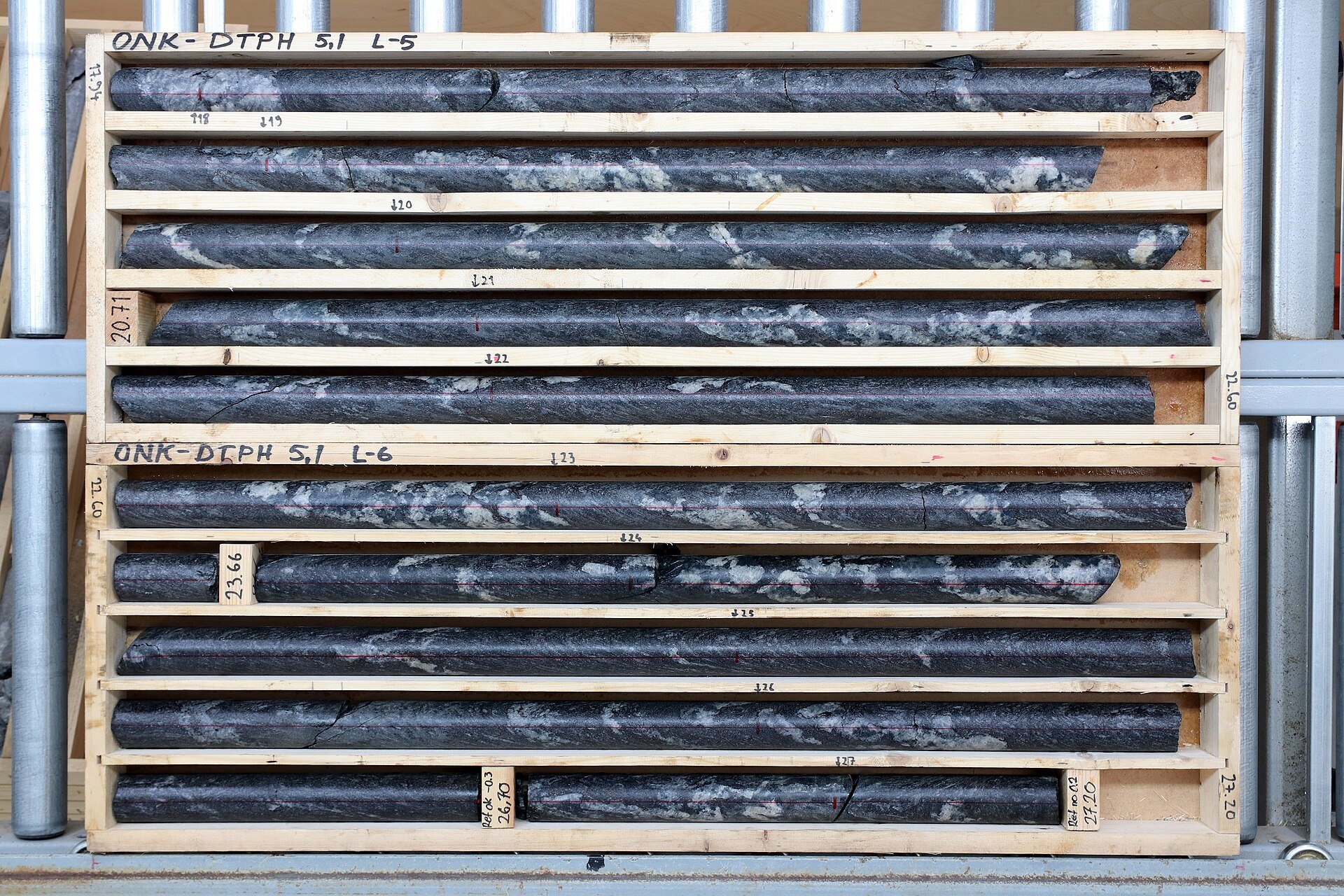
Patagonia Gold Corp. announced the filing of an independent NI 43-101 Technical Report for its flagship Calcatreu Gold-Silver Project in Argentina. Prepared by NCL Ingeniería y Construcción SpA, the report supports the Preliminary Economic Assessment (PEA) and updated Mineral Resource Estimate (MRE) previously disclosed in September and October 2026. The effective date of the report is January 14, 2026. The filing serves as a standard regulatory compliance step following the initial PEA release and subsequent cost and economic metric corrections, with no new operational or financial data introduced in this release.
Patagonia Gold Corp. filed an administrative document to finalize the technical basis for the Calcatreu Preliminary Economic Assessment. The filing does not introduce new guidance, production updates, or financial results.
Following the announcement, the stock declined from $0.43 on October 9 to $0.39 on October 19. This movement reflects broader skepticism regarding execution risks, liquidity constraints, and the lag between the PEA announcement and the completion of the technical report.
Patagonia Gold Corp. is a Canadian-listed precious metals producer and explorer operating primarily in Argentina. Its flagship asset is the Calcatreu Gold-Silver Project in Rio Negro, which is transitioning from construction to heap-leach production. The company also holds legacy producing assets, including Cap-Oeste in Santa Cruz, where residual heap leach operations continue, and Lomada de Leiva in Santa Cruz, which is undergoing closure. Its exploration portfolio includes La Manchuria, Tornado, Huracán, and La Josefina, among others, located across Santa Cruz and Rio Negro provinces. The company is pivoting from pure exploration to early-stage production, with Calcatreu serving as the primary near-term revenue driver.