Greenland Resources Updates on Magnesium and Rare Earth Elements Work
Greenland advanced metallurgical testing on schedule for its pre-revenue project, though reliance on grants remains a key risk.
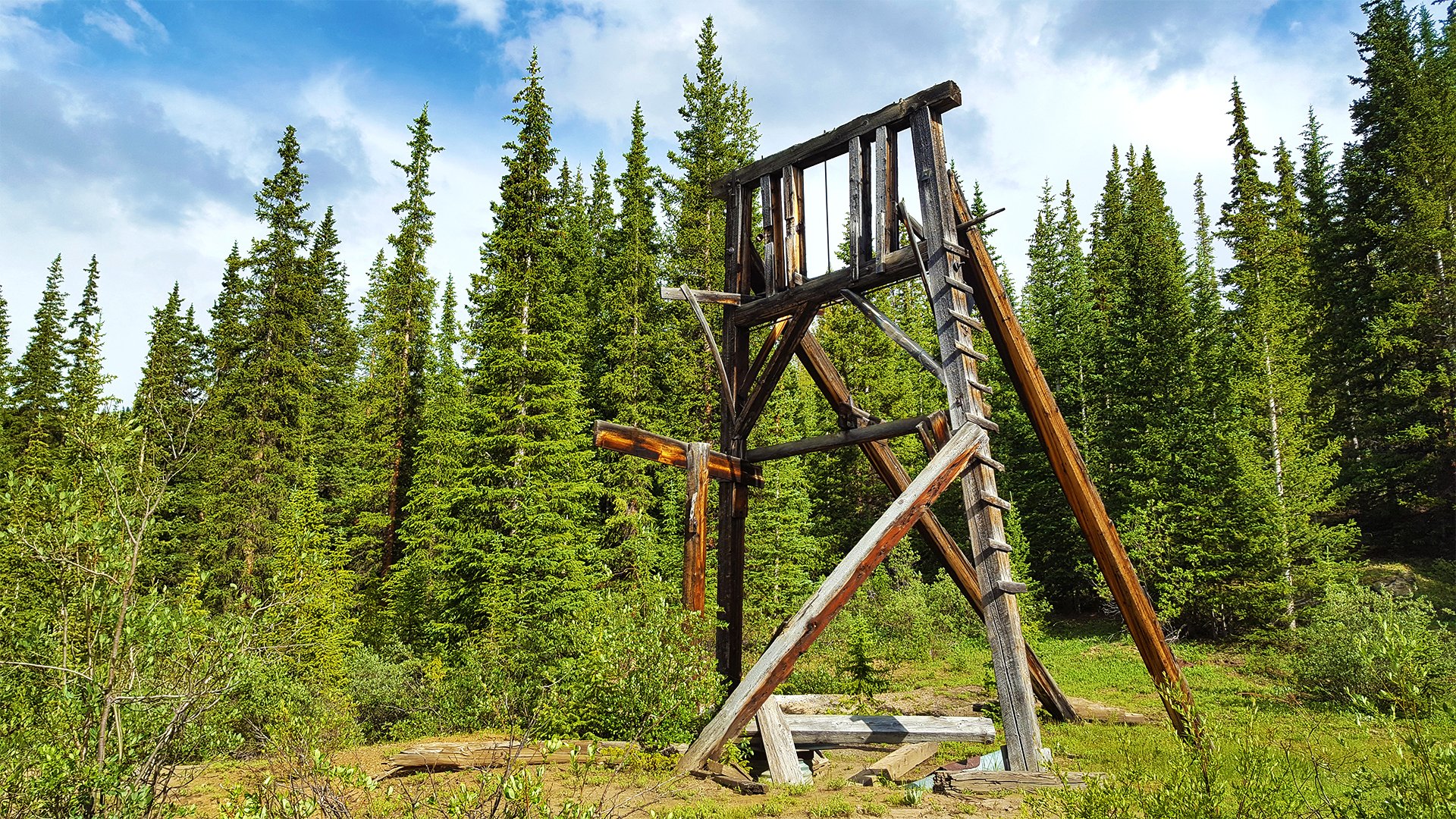
Greenland Resources Inc. (MOLY) announced the successful collection of approximately 8 tonnes of drill core and 14 tonnes of water, comprising both saline and fresh samples, during its summer field program at the Malmbjerg Project in Greenland. These materials are being transported to SGS Lakefield in Ontario for metallurgical testing to evaluate the recovery of rare earth elements (REE) and magnesium as by-products.
The test program is funded by a $7 million non-repayable contribution from Natural Resources Canada’s Critical Minerals Research, Development and Demonstration (CMRDD) program. The initiative aims to verify key performance indicators, including metallurgical recoveries and concentration grades, and will continue until March 2028. This effort follows the company's NI 43-101 Definitive Feasibility Study, which outlines a world-class Climax-type primary molybdenum deposit with 245 million tonnes grading 0.176% MoS2. The project has been designated as a priority EU project under the European Commission’s RESourceEU initiative.
Greenland Resources Inc. (MOLY) announced the collection of core and water samples, a standard step in the metallurgical testing phase following the approval of a $7 million Canadian grant in March and June 2026. The update confirms the project is progressing on schedule toward verifying by-product recoveries, aligning with previous management guidance.
No new pricing, financing, or production milestones were disclosed. The market had already priced in the grant and the metallurgical program scope, meaning the release is incremental and does not materially de-risk the project's $820 million capital expenditure requirement or alter the commercial timeline.
Greenland Resources Inc. is developing the Malmbjerg Project, a 100%-owned Climax-type primary molybdenum deposit located in east-central Greenland. The project holds a 30-year exploitation license for molybdenum and magnesium, granted in June 2025. Proven and probable reserves total 245 million tonnes grading 0.176% MoS2, containing 571 million pounds of contained molybdenum.
The NI 43-101 Definitive Feasibility Study outlines an average annual production of 32.8 million pounds of contained molybdenum metal for years one to ten, representing approximately 25% of EU total yearly consumption and 100% of EU defence needs. The project economics are based on a $18/lb molybdenum price assumption, with a US$820 million capex, a 33.8% levered after-tax IRR, and a 2.4-year payback period. By-products include magnesium extracted from ~35,000 cubic meters/day of saline water and potential rare earth elements within the ore body.