SAGA Metals Provides Further Update on MRE Drilling Program at Trapper South, Radar Critical Minerals Project in Labrador
SAGA Hits Wide Oxide Intervals as Drilling Gains Speed Toward Resource Milestone
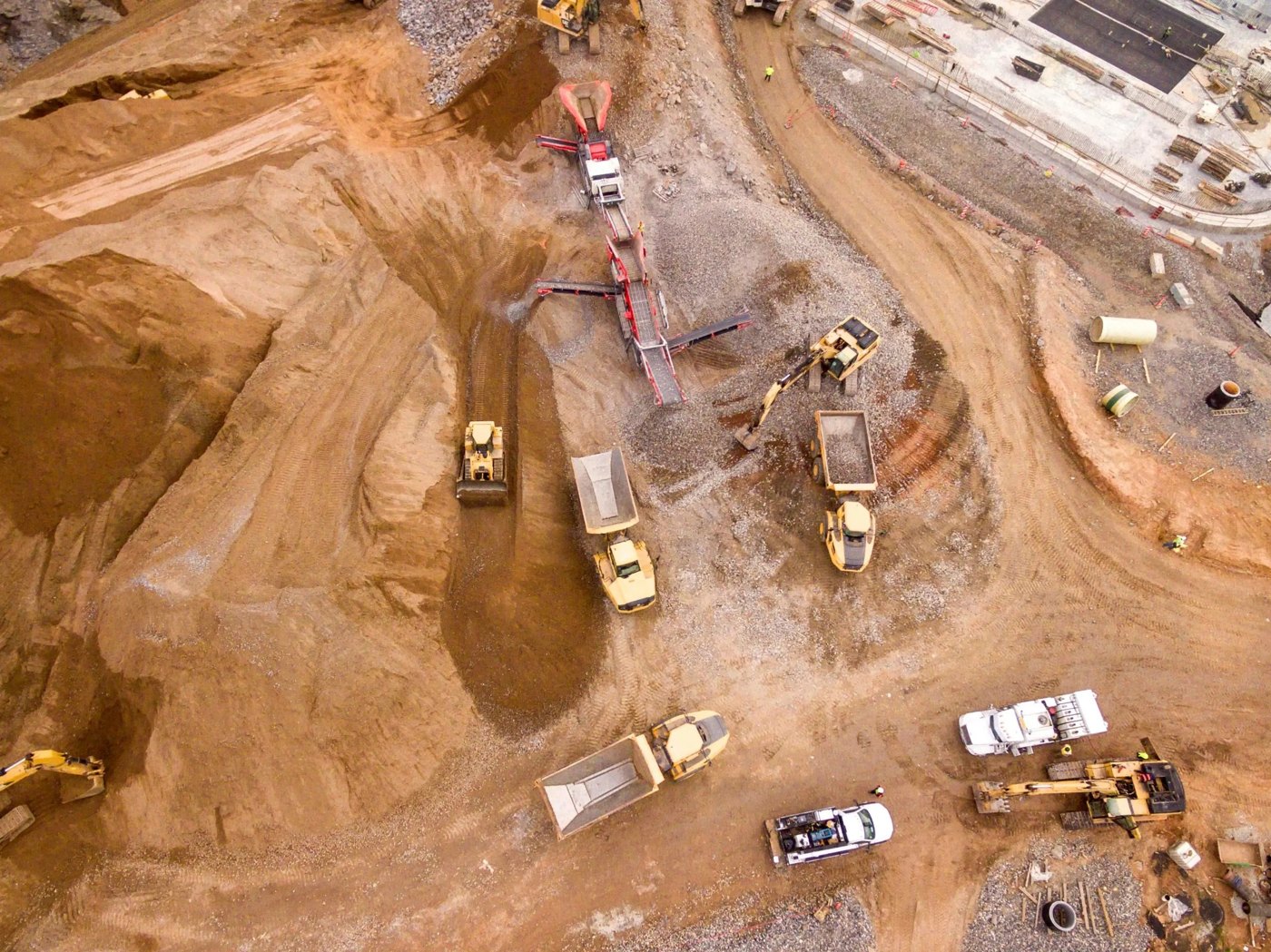
The news release dated February 19, 2026, provides an operational update on the ongoing Phase 1 Mineral Resource Estimate (MRE) drilling program at the Trapper South zone of the Radar Ti-V-Fe Project in Labrador. Key highlights include: - Completion of 10 diamond drill holes totaling 2,039 meters. - Every logged interval has confirmed oxide mineralization. - Drilling at the southeastern anomaly indicates increasing thickness at depth, with holes R-0023 through R-0026 showing average intercepts approaching 100 meters. - Semi-massive oxide proportions are reportedly higher in these deeper holes compared to previous drilling. - Mineralization continuity has been confirmed over a 700-meter strike length. - The company is now transitioning focus to the southwestern anomaly to build the dataset for its maiden MRE. - Management will attend the PDAC 2026 conference in early March.
The impact is Material - Positive for the following reasons: - Tonnage Potential: The increase in intercept thickness (approaching 100m) significantly enhances the potential volume of the maiden resource estimate. Junior miners often hit "thin" intercepts; consistent 100m wide zones of mineralization are indicative of a large-scale system. - Geological Model Validation: Confirming continuity over 700m strike in the first 10 holes of the 2026 program suggests the geophysical magnetic anomalies used for targeting are highly reliable. - De-risking Exploration: High success rates (oxide in every hole) reduce the "dry hole" risk that typically plagues junior explorers. - Execution Speed: Completing over 2,000 meters in approximately three weeks (since the Jan 29 mobilization) demonstrates efficient operational management and favorable winter drilling conditions.
SAGA Metals is a Canadian explorer focused on critical minerals. Its flagship is the Radar Ti-V-Fe Project in Labrador, which covers the 160 sq km Dykes River intrusive complex. - Radar Project: 100% owned, 24,175 hectares. Infrastructure is a major advantage, with road access, proximity to a deep-water port (Cartwright), and nearby hydroelectric power. - Commodities: Titanium (defense/aerospace), Vanadium (grid storage batteries), and Iron (steel). - Secondary Assets: Double Mer Uranium Project (Labrador) and the Legacy/Amirault Lithium Projects (James Bay, Quebec).