Chesapeake Gold Announces $10.0 Million Bought Deal Public Offering
Chesapeake Cashes In on Volatile Rally with $10 Million Bought Deal as Commercial Tech Validation Remains Distant
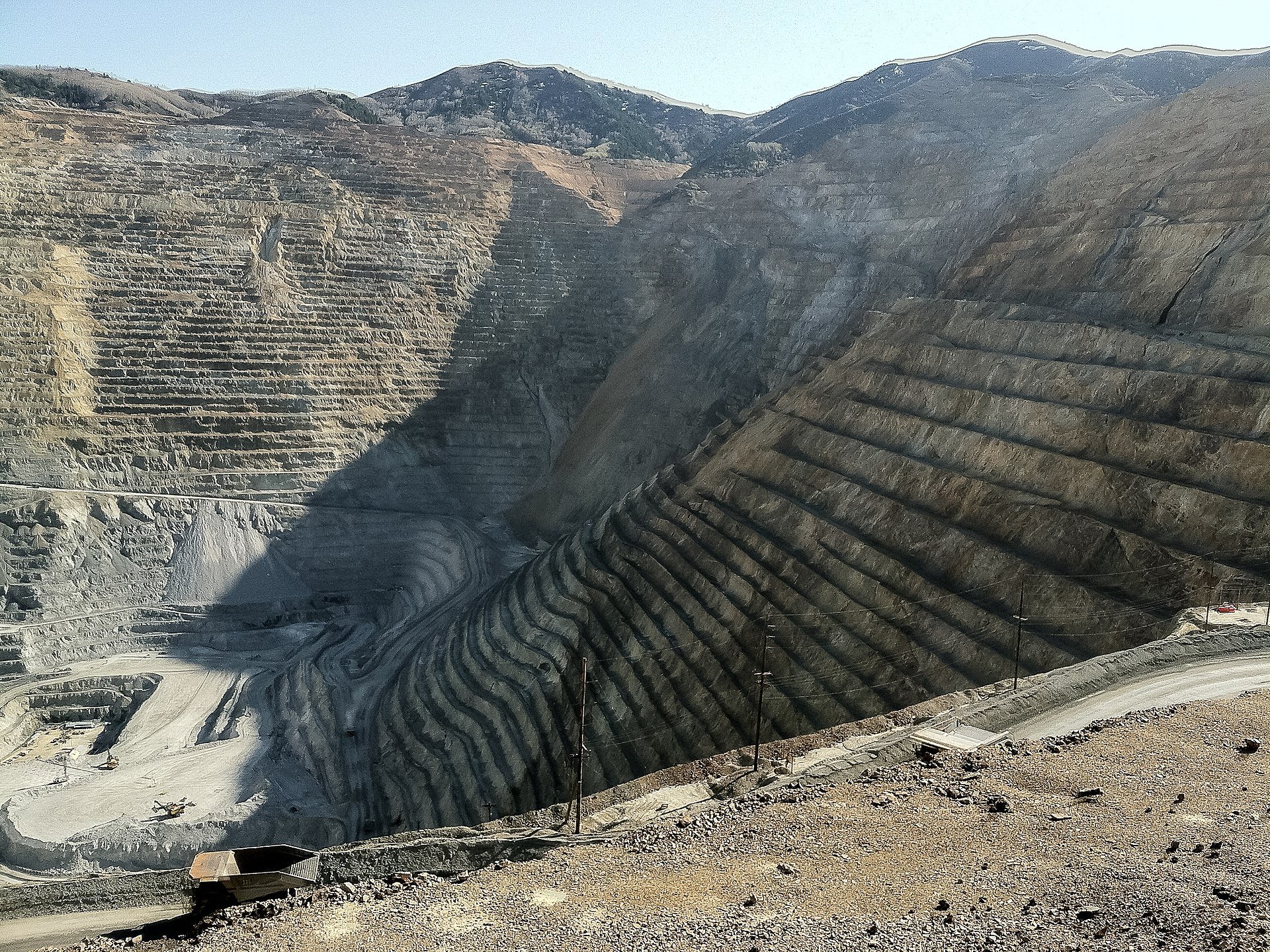
On January 12, 2026, Chesapeake Gold announced a $10.0 million "bought deal" public offering. The company is issuing 2,380,953 units at a price of $4.20 per unit. Each unit consists of one common share and one-half of one common share purchase warrant. Each whole warrant is exercisable at $5.65 for 36 months. The offering is led by Red Cloud Securities Inc. Proceeds are earmarked for the advancement of the company’s proprietary oxidative leach technology, exploration at the Metates and Lucy projects, and general working capital.
The impact is Material - Neutral. While a $10 million injection provides necessary runway for the 2026 Pre-Feasibility Study (PFS) goals, the timing and pricing raise flags for a critical investor. - Opportunistic Capital Raising: On December 22, 2025, the company explicitly told regulators (CIRO) they were unaware of any material change to explain the stock's sudden surge. Three weeks later, they are leveraging that unexplained price spike to raise capital. - Dilution at a Discount: The $4.20 offering price is a 12.7% discount to the last closing price of $4.81 and an 17.6% discount to the recent high of $5.10. - Tech Dependency: The "proprietary oxidative leach technology" remains the binary risk factor. Without successful commercialization of this technology, the flagship Metates project (a refractory ore body) remains stranded. This raise ensures they can keep testing, but it does not de-risk the technology itself.
Chesapeake Gold's flagship is the Metates project in Durango, Mexico. It is one of the world’s largest undeveloped gold-silver deposits. Historically, Metates has been hampered by the refractory nature of the ore, making standard processing uneconomic. The company's entire value proposition currently rests on its proprietary sulphide leach technology, which aims to achieve higher recoveries with lower capital intensity than traditional pressure oxidation (POX).