OCEANIC INITIATES UPDATED ENVIRONMENTAL AND SOCIAL IMPACT ASSESSMENT OF ITS FLAGSHIP HOPES ADVANCE PROJECT
Oceanic Iron Ore restarts ESIA funding to advance permitting, though dilution and pre-revenue status remain key risks.
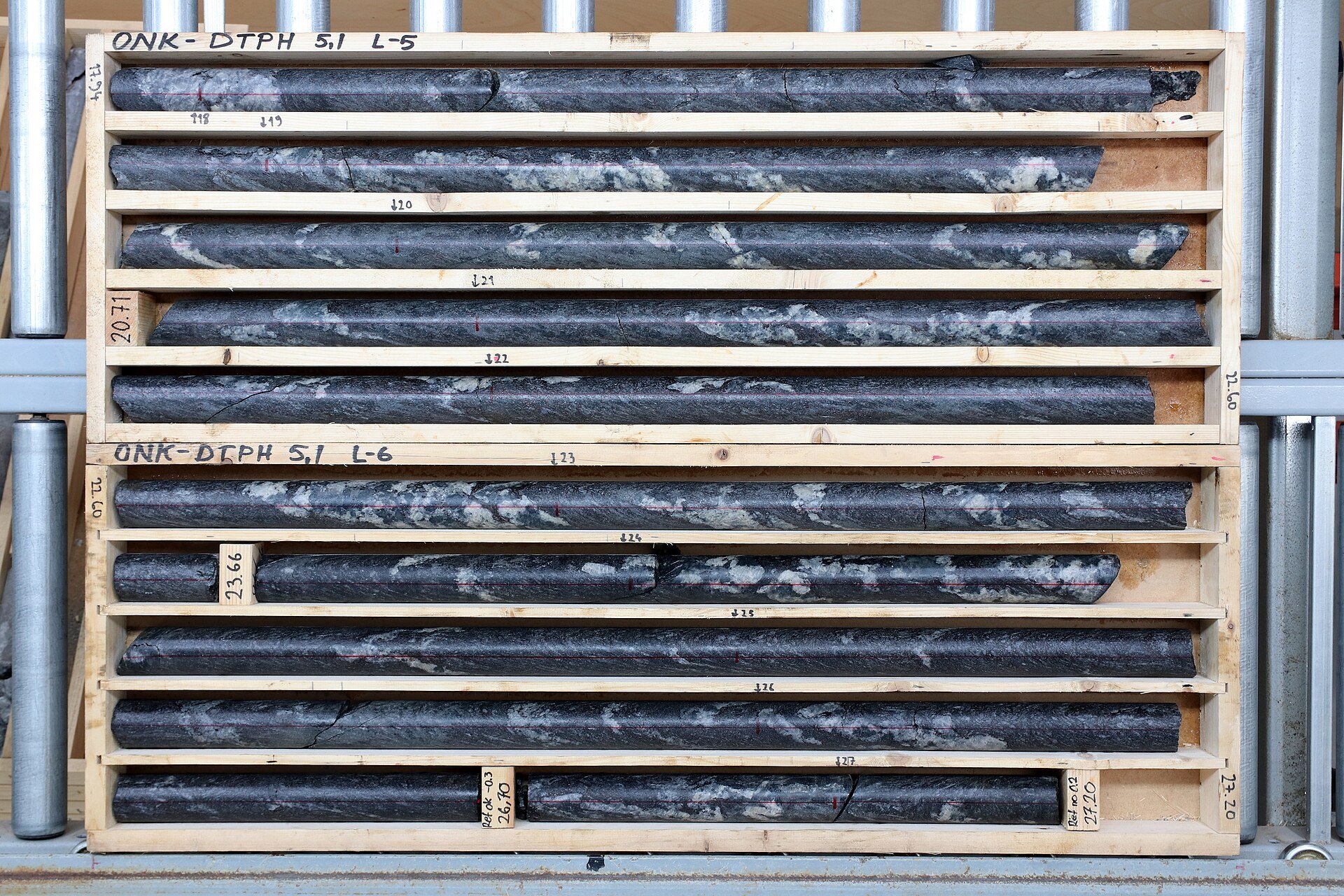
Oceanic Iron Ore Corp. announced the resumption of its Environmental and Social Impact Assessment (ESIA) for the Hopes Advance Project in Northern Québec. Updated baseline studies will cover terrestrial, marine, and human environments to support future permitting submissions, while an updated engagement plan is being developed to collaborate with Inuit partners and stakeholders.
The project holds a NI 43-101 measured and indicated resource of approximately 1.36 billion tonnes at 32.1% Fe. Previous economic assessments from December 2019 projected a post-tax NPV8 of USD $1.4 billion, a 28-year mine life, and operating costs of ~USD $30/tonne. Preliminary metallurgical testwork indicates potential for a high-grade direct reduction (DR) iron product, aligning with green-steel demand.
Oceanic Iron Ore Corp. (FEO) advanced its environmental permitting process with an update to the Environmental and Social Impact Assessment (ESIA), a move directly following the $50 million private placement closed in February 2026. That financing explicitly allocated capital for permitting and development activities. The market likely anticipated this step given the financing close and prior management commentary regarding permitting timelines.
No new financial metrics, price targets, or strategic partnerships were disclosed. The update confirms disciplined capital deployment but does not alter the pre-revenue, pre-production status of the asset. The impact is incremental and expected, aligning with standard junior mining development cycles.
Oceanic Iron Ore Corp. (FEO) owns the Hopes Advance project, a 100%-held asset located at tidewater in Northern Québec. The project eliminates rail dependency by utilizing a privately built port and direct shipping, a structure that significantly reduces capital and operating costs. The resource base spans 10 deposits, with the current mine plan utilizing three for a 28-year life.
Metallurgical testing has confirmed the ability to produce both blast furnace concentrate (66.5% Fe) and direct reduction concentrate (~68% Fe, ≤2% SiO₂). The "no-rail" advantage and low strip ratio (0.81:1) provide a structural cost advantage in the global iron ore market.