Legacy Gold Announces Final Increase in Size of Its Non-Brokered Private Placement
Legacy Gold ups private placement, eyes Baner drill push
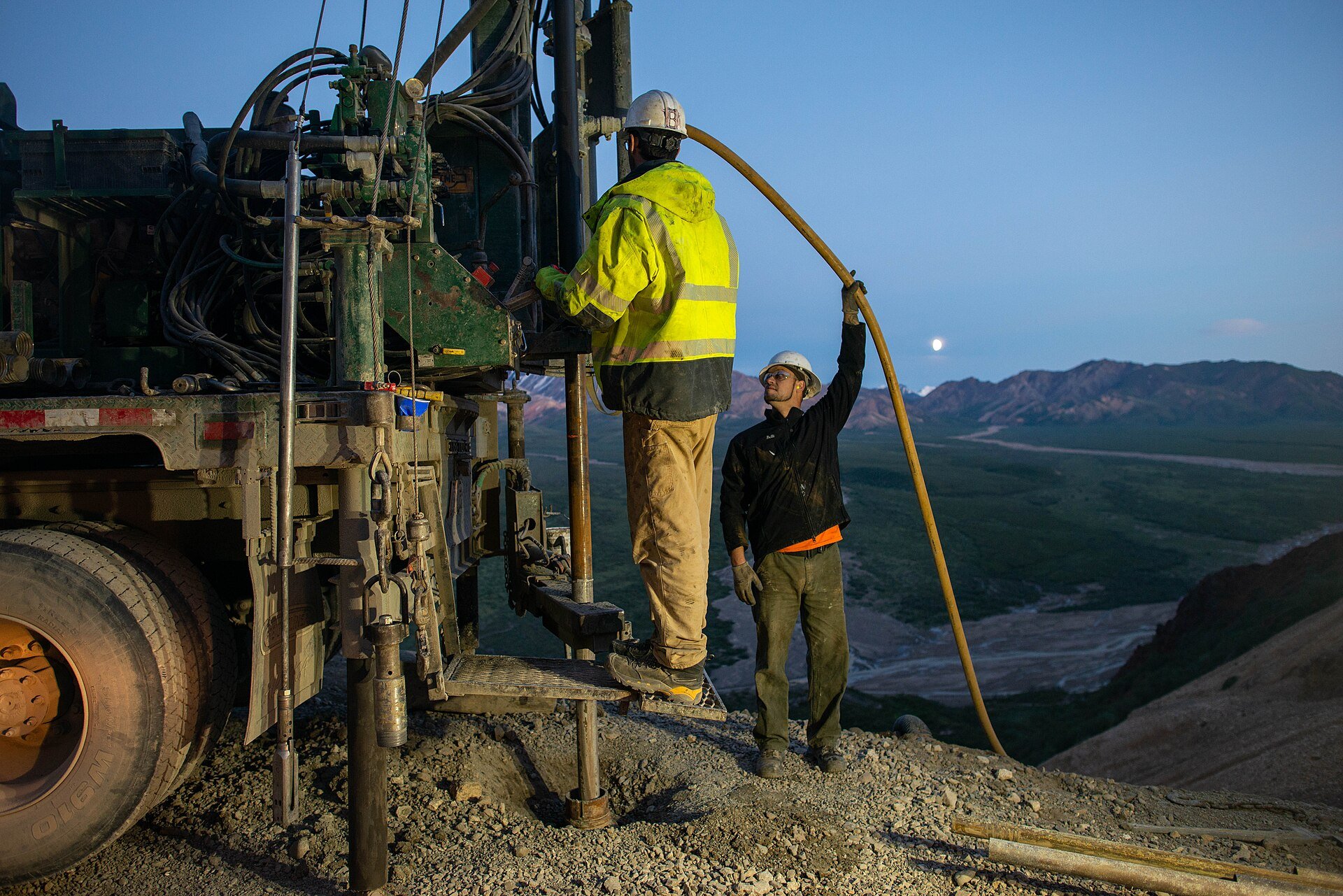
Legacy Gold announced on 2026‑04‑07 that it has increased the maximum size of its non‑brokered private placement to 33,333,333 common shares at C$0.30 per share, targeting up to C$10 million in gross proceeds. The capital will be used to:
- Accelerate drilling and development at the Baner Gold Mine property (Idaho, USA)
- Support business‑development activities
- Cover general & administrative expenses
The placement remains subject to TSX Venture Exchange approval and carries a four‑month hold period on the issued shares.
- Expectation vs. reality – The company has been incrementally raising its private‑placement size since February 2026 (13.33 M → 20 M → 25 M → 30 M → now 33.33 M). Each step was announced as a “increase” and the market has already priced in a progressive financing need.
- Capital adequacy – The additional C$10 million brings total potential private‑placement proceeds to roughly C$38 million (cumulative from all increments). Given the 2025‑2026 drilling budget (~C$6–9 million) and modest G&A requirements, the financing is sufficient but not transformative.
- Dilution – Issuing up to a third of existing shares will dilute current shareholders; however, the price per share (C$0.30) is only marginally above recent trading levels (≈C$0.36), limiting upside from immediate capital raise.
- Project impact – The Baner property remains the sole asset. The extra cash will keep drilling on schedule but does not materially change the resource potential or timeline to a definitive NI 43‑101 estimate.
Overall, the news is routine and positive: it confirms expected financing activity without altering the fundamental outlook.
Legacy Gold Mines Ltd. is a Canadian‑listed junior focused exclusively on the Baner Gold Mine property in Idaho’s historic Orogrande Mining District. The company holds an option to acquire 100 % of the mineral claims. Exploration centers on a flatter, east‑dipping shear‑zone model that promises wider low‑grade zones and potential for a sizable open‑pit resource.