GoldMining Commences Pre-Feasibility Study and Begins Infill Drilling with Three Drills at the Sao Jorge Project, Brazil
GoldMining launches the Sao Jorge prefeasibility study as three rigs turn, de-risking its flagship Brazilian asset.
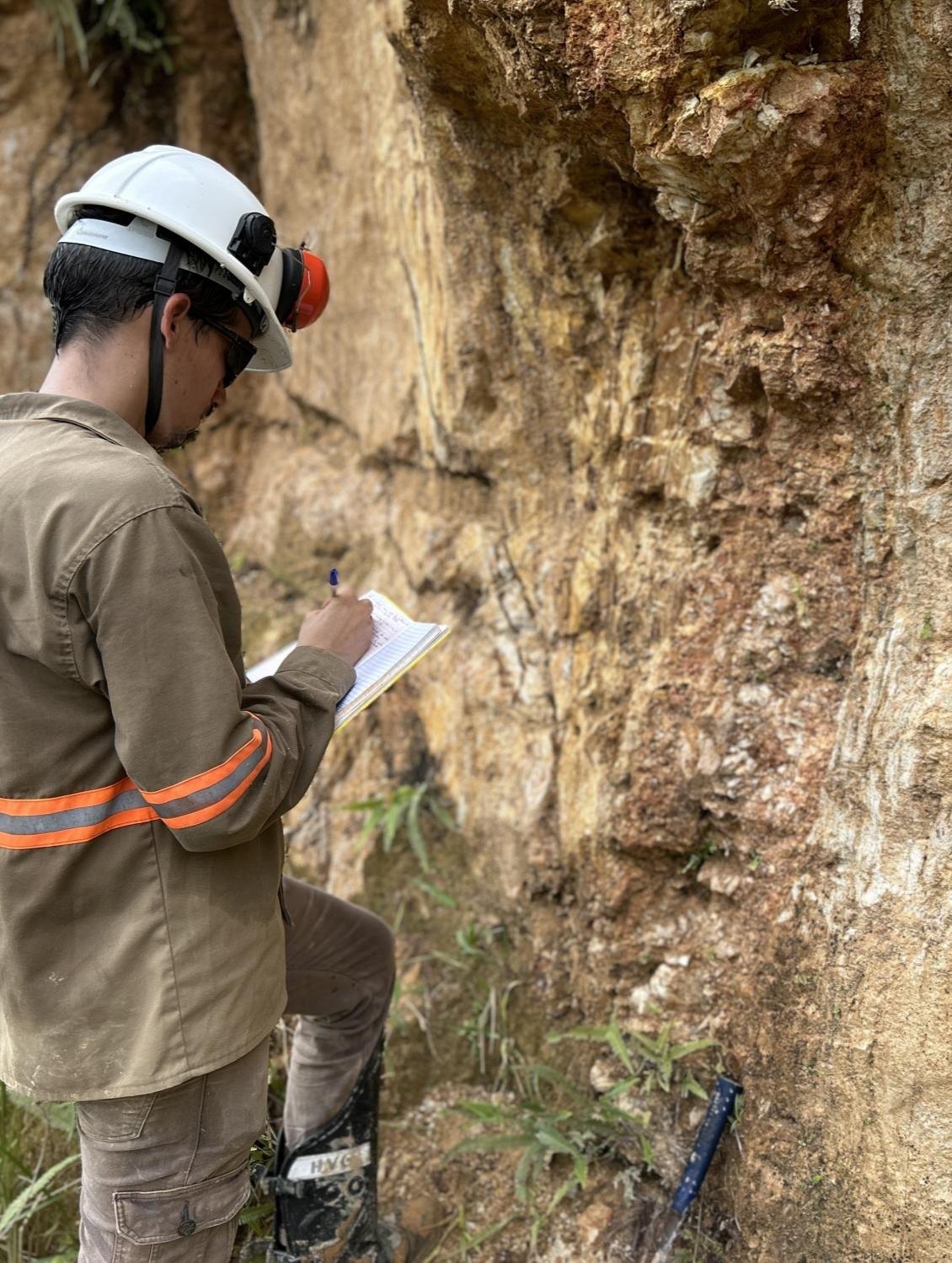
GoldMining Inc. (GOLD) has officially commenced its Pre-Feasibility Study (PFS) for the 100%-owned São Jorge Gold Project in Brazil. To support the study, the company has mobilized three diamond core drill rigs to begin a 6,000-metre infill drilling program.
The drilling campaign targets the pit shell defined in the June 2026 Preliminary Economic Assessment (PEA) with the explicit goal of upgrading inferred mineral resources to indicated categories. Drilling will also supply geotechnical, hydrogeological, and metallurgical data to optimize the mine plan and processing flowsheet.
The PFS is scheduled for completion in the first half of 2028. The study builds upon the PEA base case, which modeled an after-tax NPV5% of US$532 million and an IRR of 42.4% at a gold price of US$3,500/oz.
GoldMining Inc. (GOLD) has commenced the pre-feasibility study (PFS) and infill drilling, marking the expected next phase following the June 2026 preliminary economic assessment (PEA) filing. This development represents an incremental execution milestone rather than a fundamental shift in project economics or strategy. The market likely anticipated the PFS timeline, consistent with the standard development pathway for resource-stage assets.
No new economic parameters, cost overruns, or permitting setbacks were disclosed in the announcement. The update confirms that management is adhering to its stated development roadmap.
GoldMining Inc. (GOLD) operates as a counter-cyclical resource-stage explorer and developer across the Americas, focusing on gold, copper, silver, and antimony. The company’s flagship asset is the São Jorge project in Pará, Brazil, a conventional open-pit operation situated adjacent to existing infrastructure. A preliminary economic assessment (PEA) for São Jorge outlines a 10.6-year mine life, with an average annual production of 51,250 ounces. The project requires an initial capital expenditure of US$202 million and carries an all-in sustaining cost (AISC) of US$1,464 per ounce.
The company’s secondary assets include La Mina in Colombia, which has a PEA net present value at a 5% discount rate (NPV5%) of US$1.0 billion; Whistler in Alaska, held through a 70.9%-owned U.S. GoldMining subsidiary with a PEA NPV5% of US$2.0 billion; Crucero in Peru, featuring an updated resource that includes antimony; and Yarumalito in Colombia, which is currently in active exploration. GoldMining’s strategy involves accumulating high-potential assets, advancing them through technical studies, and monetizing them via spin-outs, IPOs, earn-ins, or strategic partnerships while retaining equity upside.