Anfield Energy Receives Draft Renewed Radioactive Materials License and Draft Groundwater Discharge Permit for Shootaring Canyon Mill from Utah DWMRC
Anfield advances its 2027 production timeline with a Utah mill license, securing key infrastructure to support future mining operations and resource development.
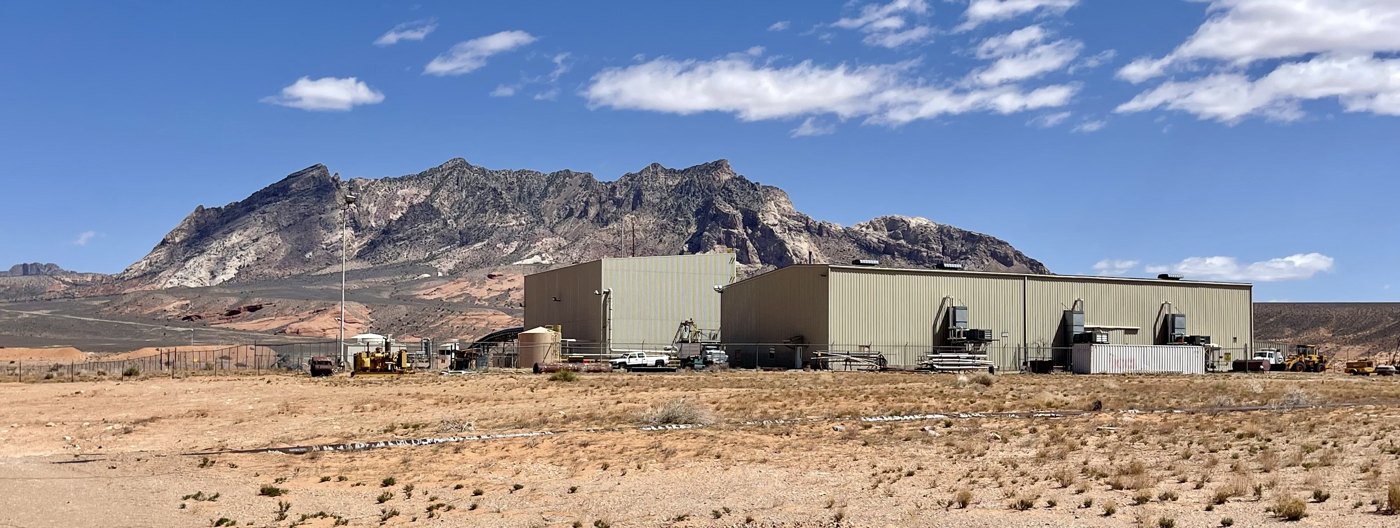
Anfield Energy Inc. (AEC) has received draft copies of a renewed radioactive materials license and a proposed groundwater discharge permit for the Shootaring Canyon Mill from the Utah Division of Water Rights and Mining Compliance (DWMRC). The company anticipates a 45-day public comment period beginning in late 2026 or early 2027, with a target for final renewed license issuance in the second quarter of 2027.
Site preparation, including the removal of legacy equipment, is currently ongoing under the existing license to enable refurbishment once the new license is secured. The draft license terms authorize the possession of natural uranium and 11e.(2) byproduct material, set a maximum mill production rate of 1,500 tons (3 million lbs) of yellowcake per year, and mandate financial surety and groundwater monitoring compliance. Refurbishment efforts target a 1,000 tons per day throughput capacity and the addition of a new vanadium circuit.
Anfield Energy Inc. (AEC) has reached a standard regulatory milestone following months of preparatory work, which included the submission of a production reactivation plan in early 2026, the drilling of eight baseline monitoring wells in May 2026, and ongoing engineering studies with PSE Engineering. The release confirms the company remains on track for a Q2 2027 license issuance, though it introduces no new catalysts or unexpected developments. Because the permit is still in draft status and subject to a pending public comment period, regulatory risk is not fully mitigated.
The company’s hub-and-spoke strategy remains dependent on successful mill refurbishment, mine dewatering at Velvet-Wood, and final permitting at JD-8. Any delay in the public comment period or final issuance could push the restart timeline further. Financially, the company continues to burn cash without revenue, and the draft license does not immediately improve liquidity or reduce the near-term need for equity financing. Given the stock’s approximately 70% decline from its January 2026 peak and the incremental nature of receiving draft permits, the market has likely already priced in the permitting timeline. The release is considered a procedural step rather than a commercial or operational breakthrough.
Anfield Energy Inc. (AEC) operates a hub-and-spoke uranium and vanadium production model across the Western United States. The central hub is the Shootaring Canyon Mill in Utah, one of only three licensed, permitted, and constructed conventional uranium mills in the country. The company is currently upgrading the facility’s capacity from 750 tons per day to 1,000 tons per day and adding a vanadium circuit.
The spokes include the Velvet-Wood and Slick Rock mines in Utah, the JD-8 mine in Colorado, and additional Department of Energy lease properties. These mines feed ore to the centralized Shootaring mill. The strategy leverages brownfield restarts, existing underground workings, and historical production data to accelerate timelines and reduce greenfield development risk.