Geiger Hits Again at Apollo: Second Hole Intersects 45 Metres of Shallow Uranium Mineralization Starting at 40 Metres Depth, 100 Metres Along Strike on the Kiggavik Trend
Geiger’s Apollo step-out confirms strike continuity, though radiometric-only results mean assays are still pending.
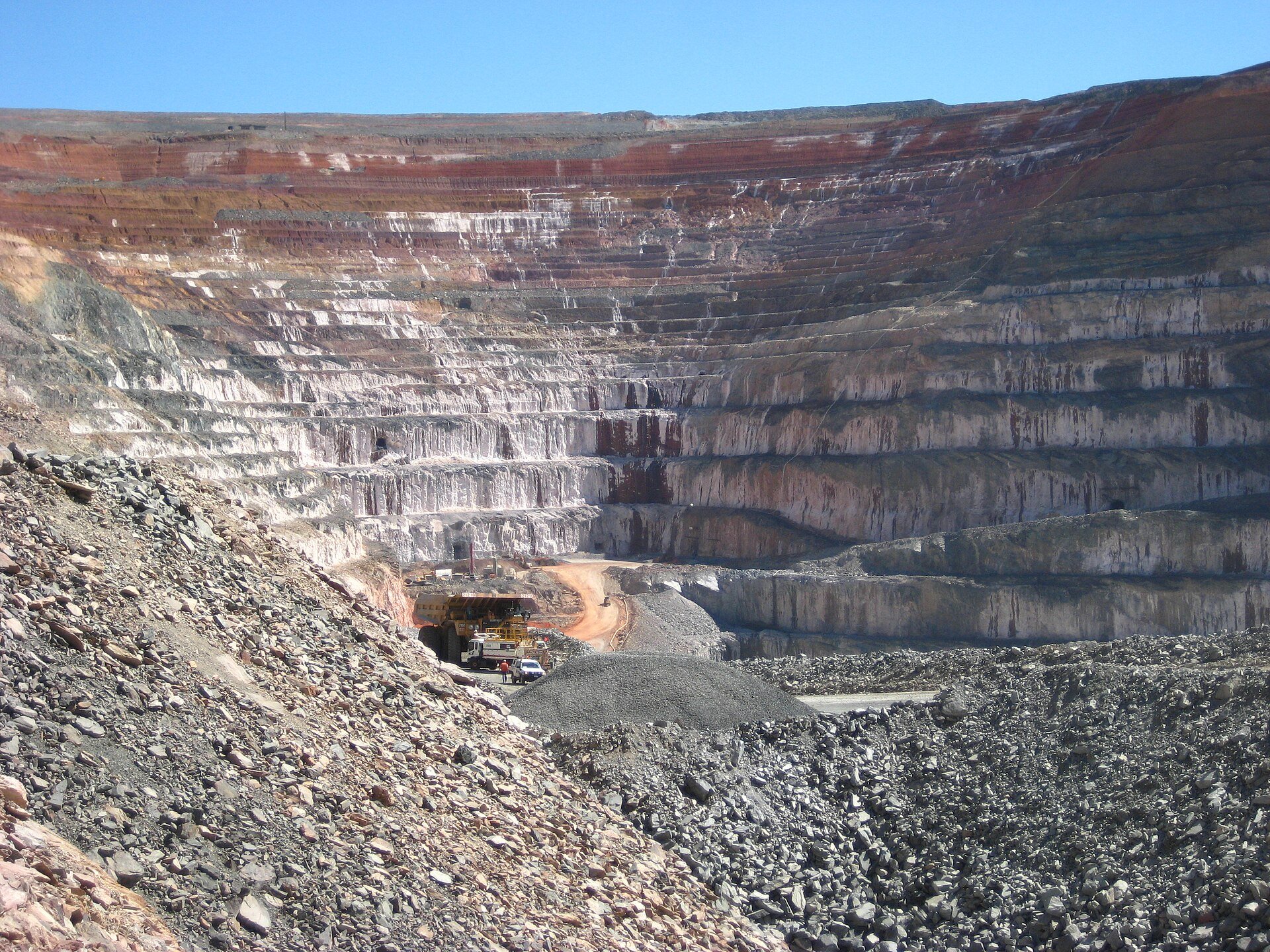
Geiger Energy Corporation (BEEP) reported results from a single drill hole, APL26-002, which served as a 100 m along-strike step-out southwest of the Apollo discovery collar (APL26-001). The hole intersected one main zone of elevated radioactivity from approximately 40 to 85 m downhole, representing 45 m of core length.
Readings within this zone largely exceeded 70 cps against a stated background of 40-50 cps, with abundant intervals over 100 cps and localized readings up to 180 cps in drill core. A downhole probe recorded a high of 402 cps, which the company stated was approximately eight times the probe background, in the most broken, clay-altered part of the fault where core recovery was poor. Sporadic elevated radioactivity and strong alteration continued to approximately 240 m, while moderate alteration persisted to the end of the hole at 313 m.
The geology consisted of intensely clay-altered, hematized, non-cohesive breccias with bleaching, sooty sulphides, and weakly disseminated uranium, which overprinted an older quartz-stockwork fault zone. No assays were reported. The release stated that assay results from Fox and Apollo are expected later in the year, and the next drill program is planned for early June 2027. Every value in this release is a radiometric reading in counts per second, which the company stated is a qualitative indication only and not a substitute for geochemical assay.
Geiger Energy Corporation (BEEP) is a pre-revenue, pre-resource grassroots explorer with a market capitalization of approximately C$19 million. While genuine scale-discovery news typically carries significant weight for micro-cap names, confirmation holes reported solely in radiometrics often face downward pressure.
The company’s Apollo system has been confirmed to extend approximately 100 meters along strike and toward the surface in a second hole, providing incremental and directionally reassuring data. This follows the initial announcement on September 14, which established that Apollo hosts an altered, radioactive breccia system in its first hole. This latest release serves as a continuity confirmation rather than introducing new grade, assays, zones, or discoveries.
Market reaction to the initial Apollo discovery on September 14 and the subsequent Fox follow-up on September 21 was modest. The stock moved from approximately $0.18–$0.20 in mid-August to a peak of $0.23–$0.26 in late September, and currently trades around $0.22.
Geiger Energy Corporation (TSXV: BEEP; OTCQB: BSENF) is a pre-revenue uranium explorer backed by the Ore Group, with strategic investors including Agnico Eagle and Eric Sprott. The company holds the Aberdeen Project in the Thelon Basin of Nunavut, encompassing approximately 95,519 hectares. This property features more than 50 targets along roughly 17 kilometers of the Andrew Lake Fault, including the Tatiggaq discovery, which reported historical grades of 2.25% U₃O₈ over 11.1 meters, and the Qavvik basement-hosted discovery. The project also includes the 2026 grassroots Fox and Apollo discoveries, which have been identified through radiometric surveys to date.
In the Athabasca Basin of Saskatchewan, Geiger Energy’s Hook Project covers approximately 338,000 hectares. The property hosts the near-surface Ackio discovery, characterized by at least nine pods extending from a depth of approximately 28 meters over a strike of 375 meters and a width of 150 meters. The company has cited open-pit potential for the deposit.
Management includes President and CEO Dr. Rebecca Hunter, P.Geo., a former Cameco executive who led the discovery team for Tatiggaq and Qavvik, and Chairman Stephen Stewart. According to the company’s presentation, the capital structure consists of approximately 88.1 million shares and 16 million warrants and options. The basic market capitalization stands at approximately C$18 million based on a share price of C$0.20. As-reported balance sheet figures, prior to a May raise, indicate total equity between C$2.6 million and C$4.8 million, with a book value of approximately C$0.04 to C$0.08 per share. In May 2026, the company raised approximately C$7.6 million through units priced between C$0.22 and C$0.325, accompanied by C$0.30 warrants.
Geiger Energy currently has no mineral resource, no economic study, no production, and no revenue. The prior-period financial figures provided are for context and are not derived from today’s drill release.