Anfield Energy Announces Agreement to Acquire BRS Engineering, Bolstering In-House Technical Expertise for Uranium and Vanadium Projects
Anfield Bets on In-House Expertise with $5M Engineering Buy, Testing Cash Reserves Ahead of Production Push
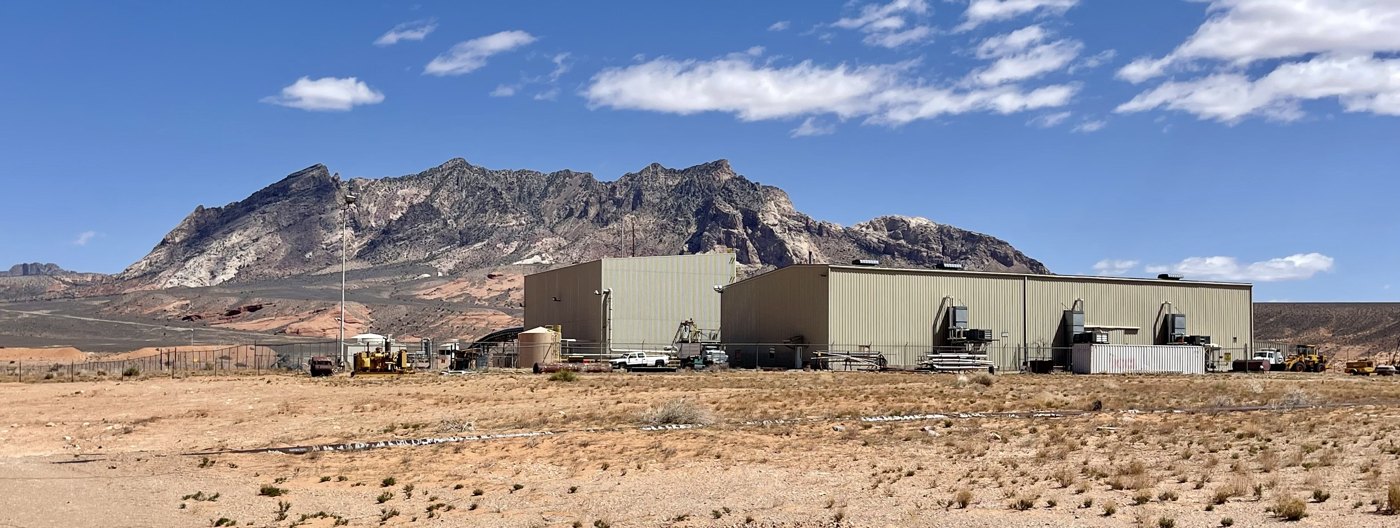
Anfield Energy announced on December 18, 2025, that it has entered into a definitive agreement to acquire BRS Inc. (BRS Engineering), a key engineering consulting firm that has historically provided technical services for Anfield's projects. The acquisition consideration is US$5 million in cash, payable in three tranches: US$1.5 million at closing, US$1.5 million on the first anniversary, and US$2.0 million on the second anniversary.
The company states the acquisition will vertically integrate world-class technical expertise, streamline project execution, reduce third-party costs, and accelerate its path to uranium production. This is noted as a related-party transaction, as Anfield's Chief Operating Officer, Douglas L. Beahm, is the principal engineer at BRS Inc. The company is relying on exemptions from formal valuation and minority shareholder approval requirements.
The acquisition of BRS Engineering is a logical operational step for a company transitioning from a developer to a producer. Bringing technical expertise in-house aligns with Anfield's strategy of de-risking and advancing its "hub-and-spoke" model centered on the Shootaring Canyon mill. CEO Corey Dias's comments about streamlining execution and reducing costs are valid long-term goals of such a move.
However, from a critical, risk-averse perspective, several points temper the positivity: - Cash Drain: The US$5 million purchase price is significant relative to Anfield's cash position of US$7.2 million as of September 30, 2025. While the staggered payments over two years mitigate the immediate impact, it represents a substantial commitment of capital that could otherwise be used for mine development or mill refurbishment. - Related-Party Transaction: This is a major red flag. The company is acquiring the firm of its own COO, Douglas L. Beahm. The reliance on exemptions from formal valuation and minority shareholder approval raises questions about the transaction's fairness and the price paid. Without an independent valuation, it's difficult to assess if US$5 million is a reasonable price or a transaction that disproportionately benefits an insider. - Execution vs. Exploration: The news does not add any new resources, improve project economics, or secure new financing. It is an operational move that carries its own integration risks and costs.
Looking back at the historical news, Anfield has been executing methodically. Over the past year, the company secured a Nasdaq listing, completed a C$15 million financing with Uranium Energy Corp. (UEC), advanced permitting for the Velvet-Wood and JD-8 mines, purchased key mining equipment, and completed confirmation drilling. The BRS acquisition fits this pattern of preparing for production.
Conclusion: The news is positive in its strategic intent, demonstrating management's focus on building an operational team. However, it is not material enough to be a game-changer. The significant cash outlay and the governance concerns surrounding the related-party nature of the deal prevent a more positive rating. It's a routine step for a developer at this stage, but one that warrants close monitoring of the company's cash balance and future insider transactions.
Anfield Energy is a U.S.-based uranium and vanadium development company. Its strategy is a "hub-and-spoke" model, with the Shootaring Canyon Mill in Utah serving as the central processing hub. The mill is one of only three licensed and constructed conventional uranium mills in the United States, giving the company a significant strategic advantage.
The company's flagship project is the past-producing Velvet-Wood Mine in Utah. The company has received key permits and has begun construction activities, including purchasing major equipment, with a goal of near-term production. Other key assets in its portfolio (the "spokes") include the Slick Rock project and the JD mine complex in Colorado, which are intended to provide additional mill feed over the long term.