Buffalo Potash Completes Second Horizontal Well and Spuds Third at Disley Initial Production Module
Buffalo Potash’s second horizontal producer hit 95% clay-seam contact as the third well was spudded at its project.
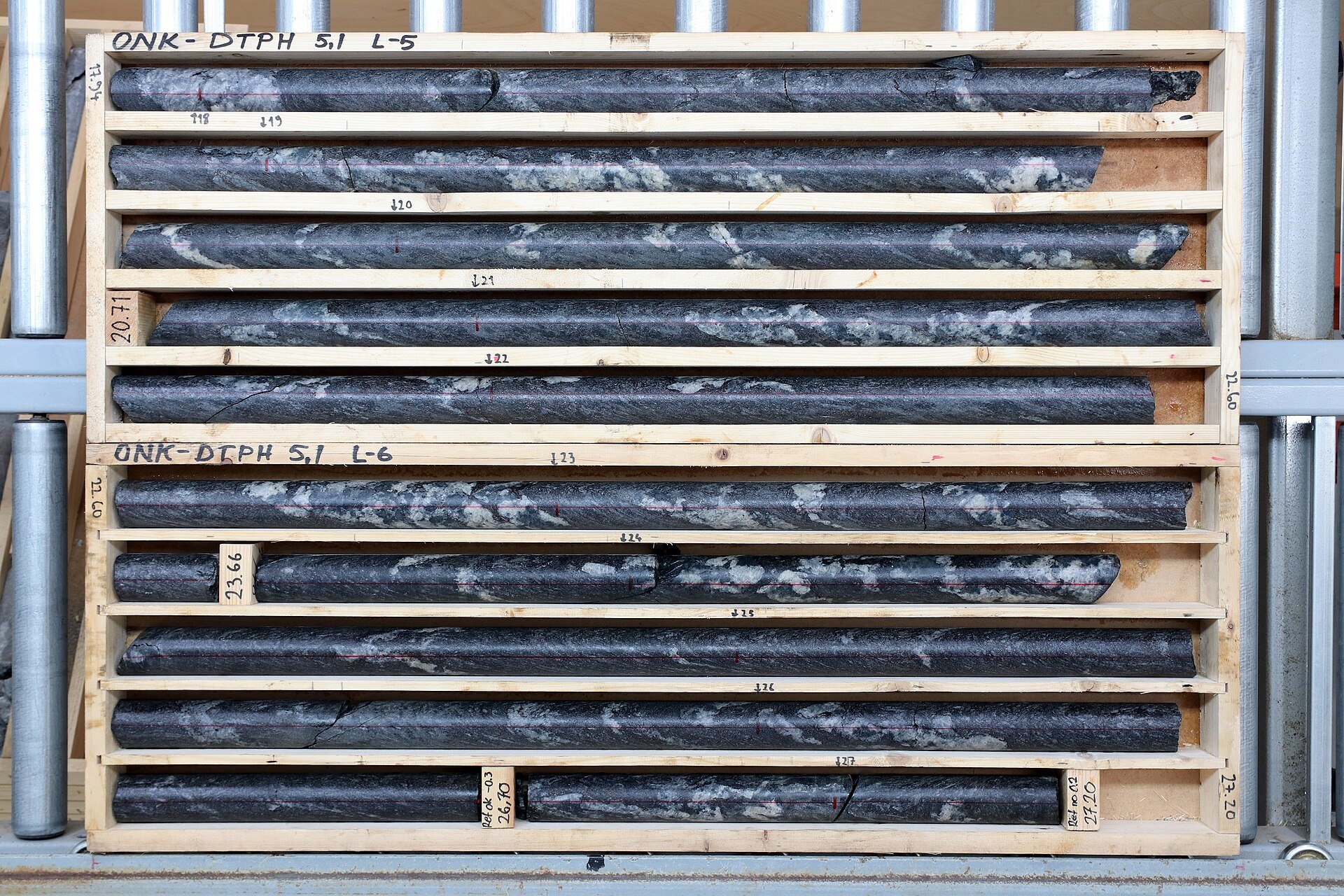
Buffalo Potash Corporation (BUFF) released an operational and drilling update on September 8, 2026, marking the completion of the second of three planned horizontal wells. Producer Well 2 / 4D15-10 features a 565-metre lateral and was equipped with an 11-stage packer system designed for KCl-rich brine collection. Management reported approximately 95% contact with the target basal Belle Plaine clay seam, a result achieved in the second consecutive horizontal well.
The company has also spudded the third and final horizontal well, Injector Well / 1D15-10. While Chief Operating Officer statements indicate that both producer wells are ahead of schedule and under budget, the release provided no specific dollar figures, percentage schedule gains, or audited cost data. The target for first production remains Q1 2027 for the 125,000 TPA Initial Production Module.
The update reiterated figures from the Preliminary Economic Assessment (PEA), including a full build-out capacity of up to 1,125,000 TPA, an after-tax NPV8 of US$1.1B, an internal rate of return (IRR) of 30%, and an Initial Production Module standalone payback of approximately 12 months from the start of production. The release maintained cautionary notes regarding the absence of mineral reserves and a feasibility study, highlighting elevated economic and technical failure risks.
Buffalo Potash listed on the TSXV in early January 2026. Since then, the company has received well licences, completed confirmation drilling, reported assay results, and published its maiden Mineral Resource Estimate (MRE) and PEA in April 2026. Following a C$14.85M capital raise in June 2026, the company mobilized its rig in July 2026, completed two vertical wells, and finished the first horizontal well in August 2026. The project continues to follow its previously stated development sequence.
Buffalo Potash Corporation (BUFF) released an operational update that aligns with prior company guidance. The report highlights a 95% clay-seam contact rate, a metric that mirrors the results from the first horizontal well on August 26, 2026. The announcement does not demonstrate production, cash flow, mineral reserves, financing, offtake, or commercial-scale HLD performance. While the company claims wells are ahead of schedule and under budget, these assertions are qualitative and unaudited. There is no new resource estimate, no updated Preliminary Economic Assessment (PEA), no strategic investment, and no change to the Q1 2027 production target.
Buffalo Potash Corporation (TSXV: BUFF, OTCQB: BLPTF, FSE: VU5) is a pre-revenue potash developer based in Saskatchewan. Its flagship asset is the Disley Project, located approximately 50 kilometers northwest of Regina. The property sits adjacent to the K+S Bethune and Mosaic Belle Plaine solution potash mines.
According to the company’s latest disclosure, the Disley Project covers 10,610 hectares. Earlier releases cited a property size of 9,413 hectares, creating a discrepancy in the reported land area. Buffalo Potash states it holds 100% ownership of the property, though royalty status was not disclosed in the provided materials.
The company’s maiden Mineral Resource Estimate (MRE) reported Measured and Indicated resources of 1,671.5 million tonnes at 34.8% KCl, containing approximately 582 million tonnes of KCl. Additionally, Inferred resources were reported at 2,663.2 million tonnes at 34.96% KCl. No mineral reserves have been established.
A Preliminary Economic Assessment (PEA) prepared by Micon, effective April 15, 2026, outlined the following financial metrics:
- After-tax NPV8: US$1.1 billion
- Internal Rate of Return (IRR): 30%
- Initial CAPEX: US$639 million
- Operating Expenses (OPEX): US$55/tonne
The project’s initial production module targets 125,000 tonnes per annum (TPA) of soluble-grade potash, with first production targeted for the first quarter of 2027. A full build-out would include the initial production module plus the Disley East and Disley West areas, reaching a capacity of up to 1,125,000 TPA.