Solstice Gold Commences 2026 Drill Program at the Strathy Gold Project in the Temagami Greenstone Belt, Abitibi Subprovince, NE Ontario
Solstice Gold Mobilizes at Strathy as High-Grade Red Cedar Discovery Faces First Systematic Expansion Test
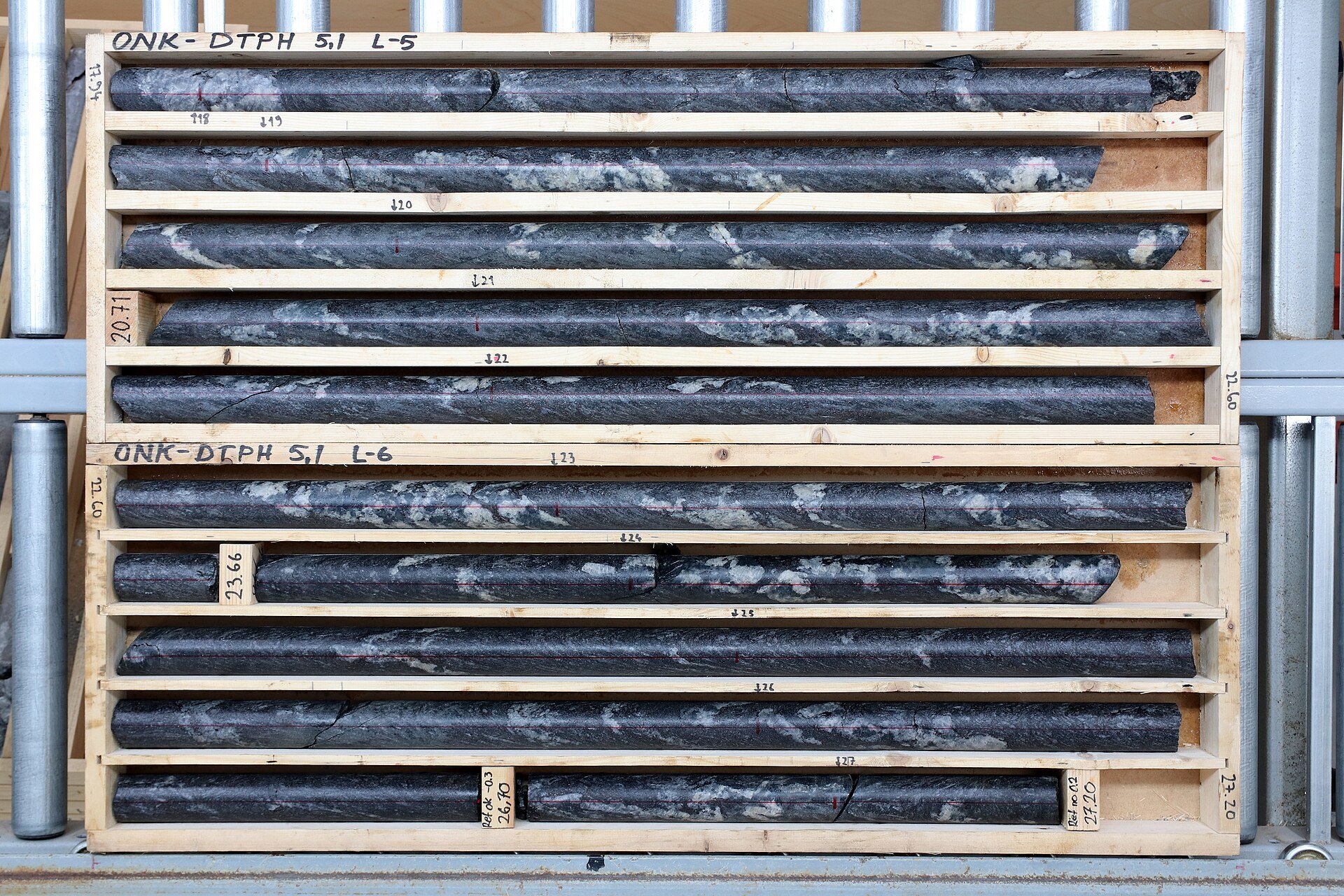
On February 19, 2026, Solstice Gold Corp. (SGC) announced the commencement of its 2,750-meter winter diamond drill program at the Strathy Gold Project in Northeast Ontario. The program consists of approximately 15 holes. The primary objectives are to follow up on the "Red Cedar" discovery made in 2025 (8.52 g/t Au over 3.5m) and to test a large 600m by 1,000m Induced Polarization (IP) anomaly associated with that discovery. The company also intends to test the Leckie Gold Zone, which has historical intercepts of 5.00 g/t Au over 17.28m.
The news is categorized as Routine - Positive. While the commencement of drilling is a necessary step for value creation, it is an expected operational update rather than a material change in the company's valuation or fundamental status. - In line with expectations: The company signaled this program in its February 4, 2026, release. Mobilization is on schedule. - Funding status: The program is described as "fully-funded," which is critical given the low cash position reported in the September 2025 financials. The October 2025 financing of $1.12 million appears to be the primary engine for this campaign. - Exploration Significance: This is the first systematic test of the Red Cedar discovery. If the 1,000m IP anomaly correlates with gold mineralization across multiple holes, the project's scale could shift from a "showing" to a "deposit," which would be a material game-changer.
Solstice Gold is an exploration company focused on the Abitibi Subprovince. - Flagship Project: Strathy Gold Project (NE Ontario). - Project Details: Covers 46 km² in the Temagami Greenstone Belt. It is located on the Trans-Canada Highway with excellent infrastructure access. - History: The property was largely unexplored using modern geophysics until SGC acquired it in 2024. The 2025 "Red Cedar" discovery was the first major success of the new geological model.