Coppernico Defines 155 m of Continuous Copper Mineralization Averaging 0.54% at Sombrero's Nioc Target
Coppernico Builds Surface Hype at Nioc Target While Approaching Critical 2026 Drilling Inflection Point
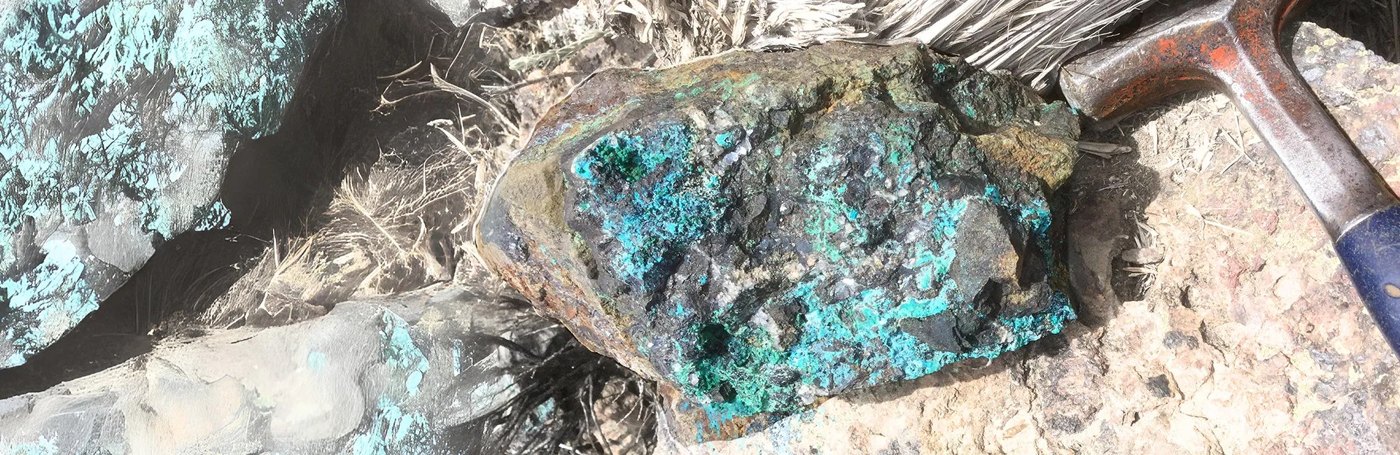
The news release dated January 12, 2026, reports results from a surface exploration program at the Nioc target within the Sombrero project in Peru. The highlight is a continuous 155-meter composite interval of channel sampling averaging 0.54% Copper. Other notable surface intervals include 164 meters at 0.1% Cu and 163 meters at 0.08% Cu. The company states that this surface footprint now covers approximately 170m x 200m and remains open in multiple directions. Management interprets these results as confirmation of a large-scale copper skarn system, which aligns with recently completed geophysical data.
- The impact is Routine - Positive. While 155 meters of 0.54% copper is a visually impressive headline, it must be critically noted that these are surface channel samples, not drill intercepts. Channel samples are often subject to weathering enrichment and do not represent true thickness or depth continuity.
- The results confirm the existence of copper mineralization at the surface but do not technically "de-risk" the project further than the previous September 2025 channel results (52m of 1.06% Cu).
- The news serves primarily to maintain market interest and support the stock price ahead of a massive 181-platform drill permit application. It justifies the company’s shift in focus from the underwhelming Phase 1 results at Ccascabamba to the Nioc/Fierrazo targets for Phase 2.
Coppernico Metals is exploring the Sombrero Project in the Andahuaylas-Yauri belt of Peru. The project is an extension of the belt hosting massive deposits like Las Bambas and Haquira. The project is a copper-gold skarn/porphyry system. After a mediocre Phase 1 drill program in early 2025 (8,232m) that returned mostly low-grade intercepts (e.g., 0.2% Cu range), the company has pivoted to the Nioc and Fierrazo targets, which show much higher grades at the surface.