District Copper Presents Integrated Geological Framework for Copper Keg Porphyry Copper Targets Ahead of DCIP Survey
District begins a copper Keg DCIP survey on August 26 amid dilution and going-concern risks.
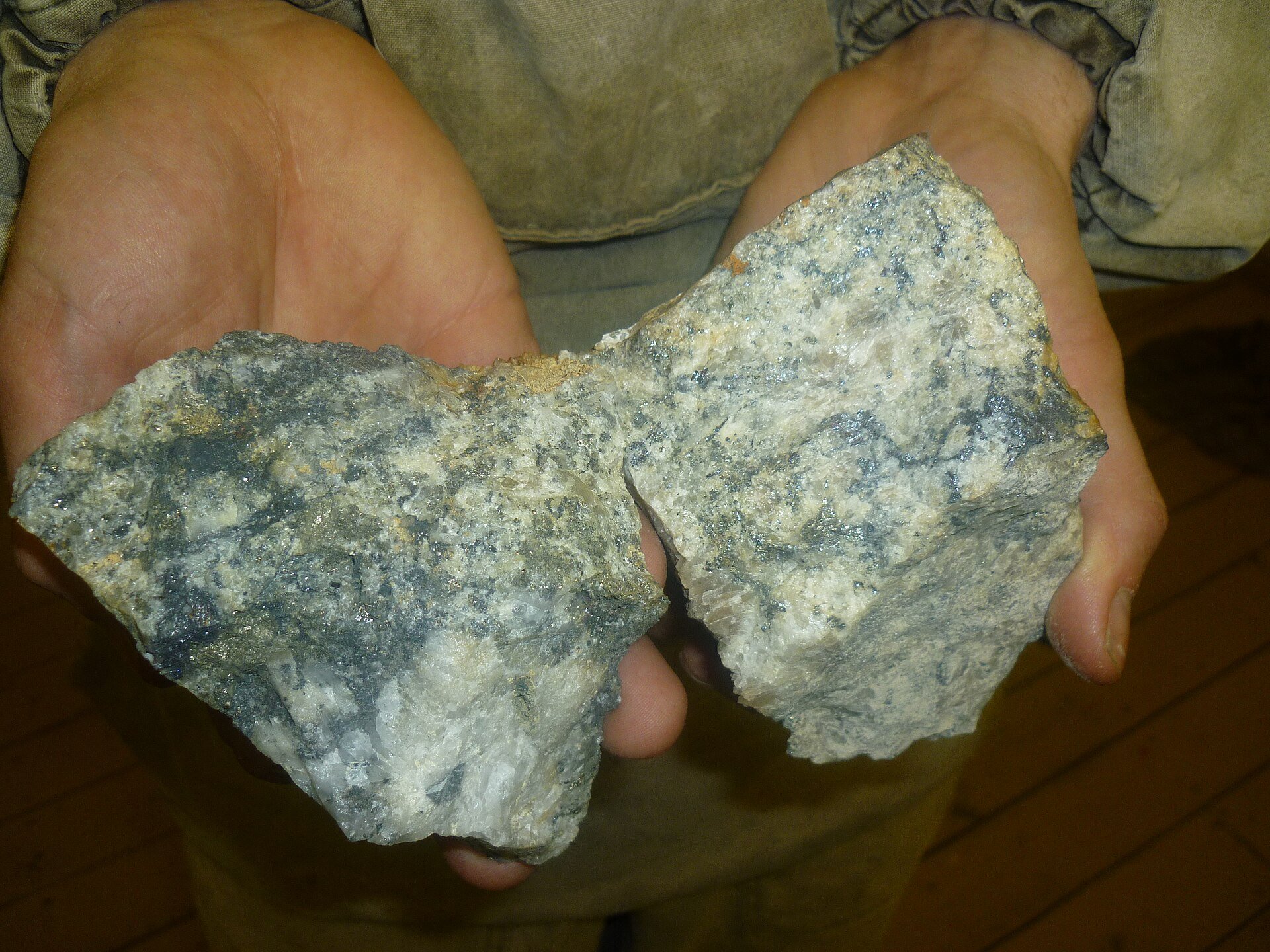
District Copper Corp. has released an integrated geological framework for its Copper Keg porphyry copper project, synthesizing four years of exploration data from 2021 to 2025. The company identified two priority porphyry copper targets: Target #1, a buried chargeability anomaly, and Target #2, a gossan zone with potassic alteration.
A 14.5 line-km deep-penetrating DCIP geophysical survey is scheduled to commence on or about August 26, 2026, using a Quantec Titan system. Results will define drill sites for the company's first-ever diamond drill program, contingent on survey outcomes, permitting, and financing. This release follows the June 23, 2026 regulatory approval and the March 2026 exploration plan announcements, confirming the project is advancing on schedule toward drill testing.
District Copper Corp. (DCOP) has taken a routine step in its exploration lifecycle, consistent with geological models and survey timelines disclosed in prior updates from March and June 2026. The company did not raise new capital, nor did it announce drill results or permit approvals. The market had already priced in the planned DCIP survey.
Historical progression shows consistent execution: October 2025 (model update) → November 2025 (financing & 2026 plan) → March 2025 (financing) → June 2026 (permit approval) → August 2026 (survey mobilization). Projections are materializing as stated, but without drill results, the fundamental value remains unproven.
The release is positive for operational momentum but lacks the catalyst required to move the stock materially. Dilution from recent financings and the explicit going-concern flag cap near-term upside.
District Copper Corp. (DCOP) is a pre-revenue junior explorer focused on the Copper Keg porphyry copper project in the Kamloops Mining Division, British Columbia. The project covers 6,628 hectares at the northern end of the Guichon Creek batholith, approximately 20 km north of Teck Resources' Highland Valley Copper mine.
Historical exploration dates to the 1890s, but the property has never been tested by modern diamond drilling. The geological model highlights classic porphyry alteration sequences (potassic → propylitic → phyllic), intrusive breccias, and geochemical signatures matching the Bethsaida and Skeena phases that host regional deposits.
Peer activity in the district is active, with Getty Copper drilling and Teck investing billions in mine life extensions, providing a favorable regional backdrop.