Mustang Mobilises Geophysical Crew in Nevada, USA
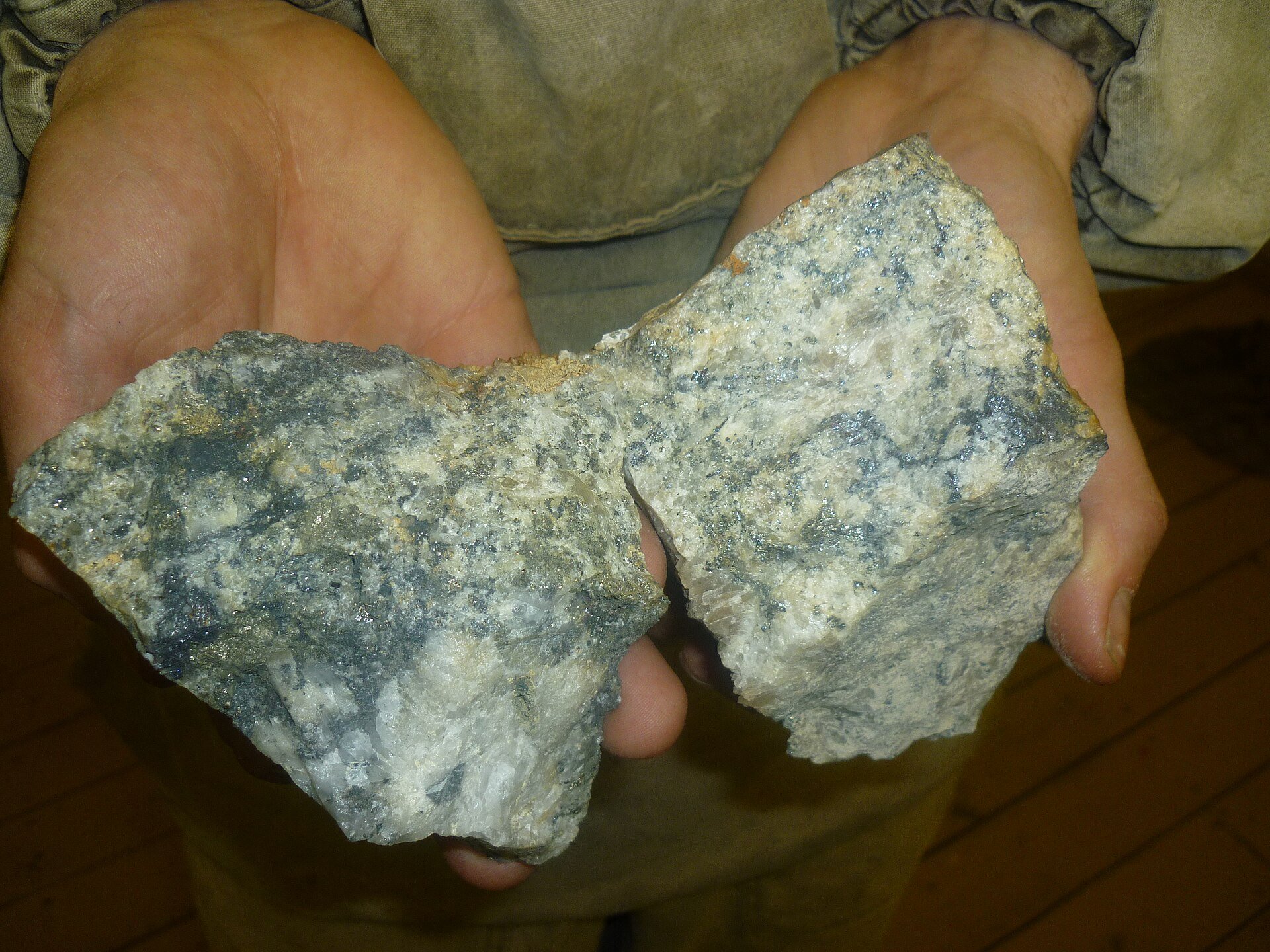
Mustang Minerals Limited (MMX) has commenced IP geophysical work at its Confusion Hills and Pilot projects in Nevada to finalize drill targets for a first-pass drilling program expected to commence in autumn 2026. The company holds approved drill permits for both the Pilot and Confusion Hills prospects, with previous exploration highlighting significant gold anomalies and alteration zones consistent with high sulphidation and porphyry systems. Technical work includes IP geophysics, drone-based magnetics, and soil/rock sampling, with results processed to guide the upcoming drilling campaign.
Current activity is focused on the Confusion Hills project, with plans to move to the Pilot project subsequently. The goal is to finalize drill targets for the first-pass drill program, which the company expects to begin with the first project in the autumn of 2026.
The Pilot Project covers an area of hydrothermal alteration in folded sedimentary rocks intruded by tonalite porphyry bodies. In 2024, work by Almadex included alteration/geologic mapping, rock/soil sampling, IP geophysics, and drone-based magnetics. Alteration is dominated by pyrophyllite with white mica. Soil sampling defined a broad zone of anomalous copper-molybdenum and gold coincident with high chargeability from the IP survey and a distinct magnetic high.
The Confusion Hills Project features a large alteration zone in volcanic rocks and is classified as a high sulphidation prospect. On April 15, 2025, the company announced results from 107 grab samples. Six samples returned >0.1 g/t gold, with three returning >0.5 g/t gold, including up to 7.1 g/t gold in a subcrop sample, averaging 1.6 g/t gold for the six high-grade samples. Significant results are associated with altered breccia in the central part of the project. Mapping defined a high sulphidation/porphyry lithocap over an area of 1.6 km x 0.5 km. Central zones feature vuggy quartz with alunite and massive pyrophyllite. 2024 soil sampling returned anomalous Au, Mo, and Cu. An IP survey identified a high chargeability feature, interpreted as sulphide development, beneath quartz alunite alteration and high gold grab samples.
At the Red Ring Project, hydrothermal alteration in volcanic rocks is adjacent to carbonate rocks. 2024 mapping identified a large alteration zone interpreted as a porphyry lithocap extending 2.8 km NW-SE by at least 1 km NE-SW. A strong surface pyrophyllite footprint measures 1 km (NW-SE) by 0.5 km (NE-SW). Preliminary rock sampling returned high values of pathfinder trace elements, and 2024 soil sampling highlighted anomalous trace elements indicative of a high sulphidation environment.
Samples are analyzed at ALS Chemex Laboratories in Reno and North Vancouver. Gold analysis is conducted via fire assay and atomic absorption spectroscopy (AAS). Samples returning >10 g/t gold are re-analyzed by fire assay with a gravimetric finish.
Geophysical lines were surveyed by Almadex using a GDD transmitter and Iris Elrec-6 receivers with a 100 m dipole, pole-dipole array across 8 levels. Data was inverted using RES2DINV software. Magnetics surveys were conducted by a third-party contractor using a Geometrics MagArrow Cesium Magnetometer on an ArcSky X55 quadcopter. The sensor was suspended on a 3m lanyard, with readings diurnally corrected via a Geometrics G-862RBS Magnetometer.
Morgan J. Poliquin, PhD, PEng, President and CEO, has reviewed and approved the scientific and technical contents.
“We are excited to be back at work on our Nevada portfolio and look forward to starting our drilling program later this year,” said J Duane Poliquin, Chairman.