Midland and SOQUEM to Commence an Exploration Program Including an Induced Polarization Survey on the Malaco Mountain Copper-Gold-Rare Earth Element Zone in the Labrador Trough
Midland’s follow-up IP survey advances a high-grade copper-gold-rare earth element discovery in the Labrador Trough.
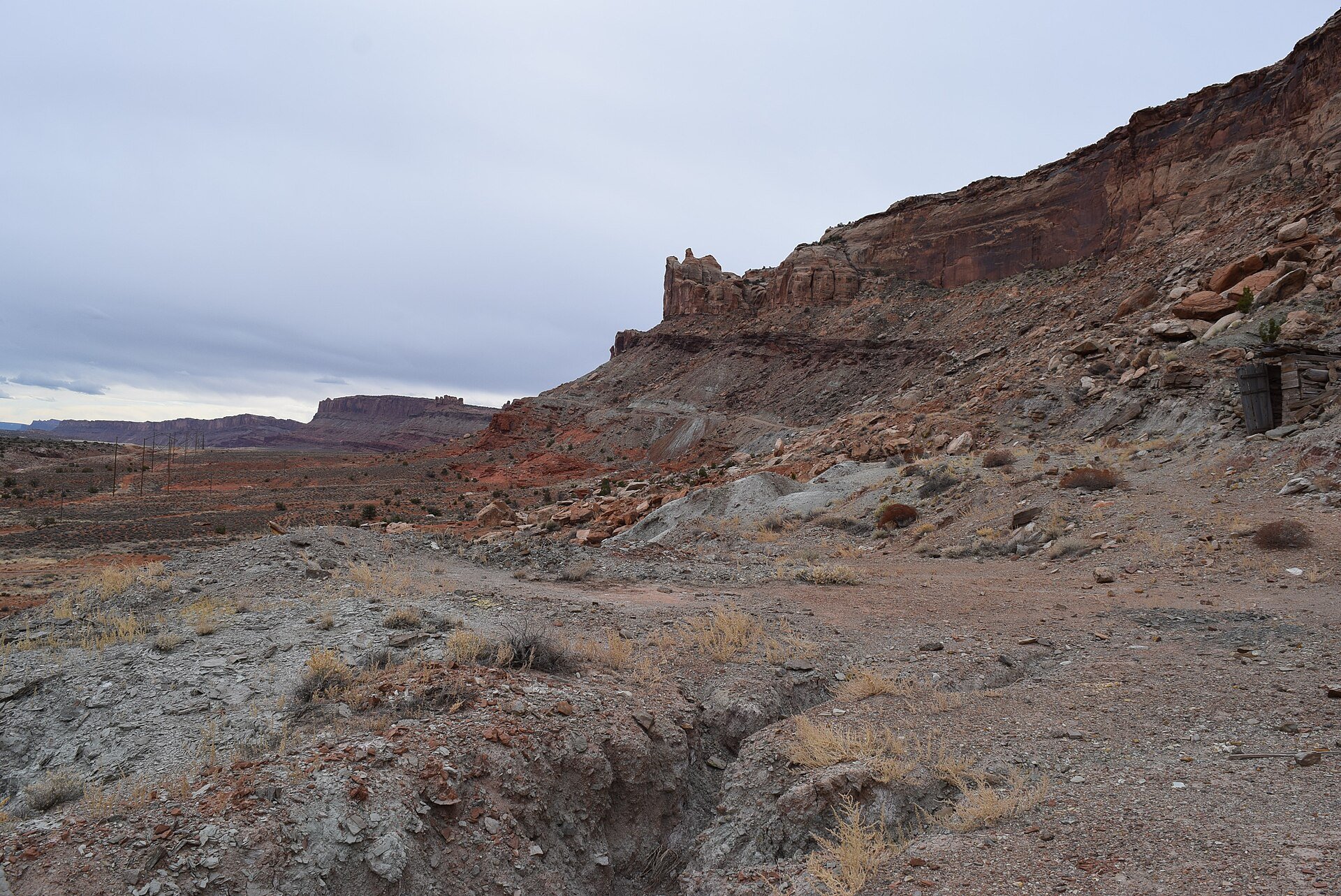
Midland Exploration Inc. has commenced a follow-up exploration campaign on its Malaco Mountain project in Quebec, in partnership with SOQUEM Inc. The 2026 program includes a 15-line-kilometre pole-dipole induced polarization (IP) survey, prospecting, and soil sampling.
The survey targets the mineralized outcrop discovered in 2025, which graded up to 31.60% Cu, 6.92 g/t Au, 32.4 g/t Ag, and 1.77% REE. The campaign aims to generate new exploration and drilling targets based on geophysical, geological, and geochemical data.
The strategic alliance continues with a joint annual exploration budget of $1 million (50/50 split) covering the Malaco Mountain and Nachicapau projects.
Midland Exploration Inc. (MD) announced the announcement as routine execution of its planned 2026 exploration program, consistent with the company’s previously disclosed $12 million total exploration budget and the Feb/Apr 2026 operational updates. No new capital has been raised, and no new material discoveries or partner milestones have been triggered. The IP survey serves as a standard geophysical step to convert surface grab samples into drill-ready targets.
Financially, the $500,000 Midland portion of the budget is absorbed within the existing $5.71 million cash position and adjusted working capital of approximately $12 million. There is no immediate dilution or liquidity pressure from this specific release. The news is incremental and expected, maintaining exploration momentum without altering the near-term investment thesis or valuation drivers.
Midland Exploration Inc. (MD) is a Quebec-based exploration company focused on gold, copper, lithium, and critical metals. The company operates on a joint-venture and option agreement model, leveraging partnerships with major mining companies to share exploration costs and de-risk projects.
Flagship projects include: - Lewis Project (Abitibi): Gold property with Barrick Gold as operator, offering an earn-in up to 75% interest. - Malaco Mountain (Labrador Trough): High-grade Cu-Au-REE zone developed in partnership with SOQUEM. - Galinee Project (Baie-James): Lithium and cesium pegmatites with Rio Tinto Exploration Canada. - Caniapisc & Willbob: Wholly-owned gold projects in the James Bay and Labrador Trough regions.