Global Atomic Announces Q2 2026 Results
Global Atomic delays Dasa startup to H2 2028 as cash reserves decline to $30 million.
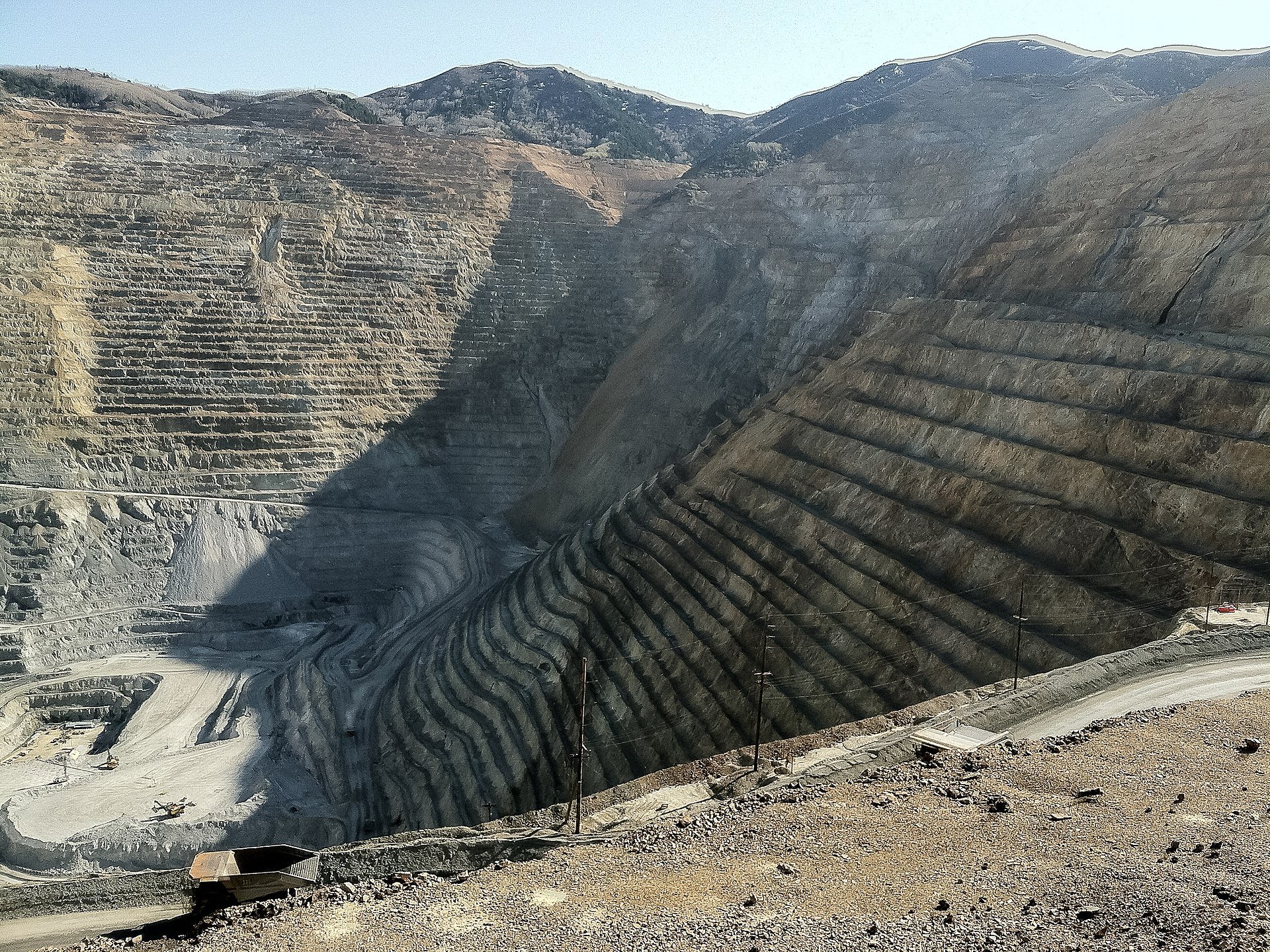
Global Atomic Corporation (GLO) reported second-quarter 2026 results for the period ended June 30, 2026. Cash reserves declined to $30.0 million at June 30, 2026, from $59.1 million at March 31, 2026, indicating approximately $29 million in net cash consumed during the quarter.
Construction at the Dasa uranium project is ongoing, with underground ramp and lateral access drifts positioned adjacent to the ore body. Earthworks for the processing plant are more than 95% complete, and steel erection has begun. The company has formally delayed process plant commissioning and first yellowcake shipments to the second half of 2028, contingent on financing timing. This schedule is later than the first-quarter 2026 disclosure, which had targeted fourth-quarter 2027 for commissioning and first-half 2028 for initial shipments.
Financing remains unsecured. Global Atomic continues discussions with a U.S. Development Bank regarding a debt facility and maintains talks with potential minority joint venture partners. Additionally, the company renewed a C$50 million At-The-Market equity program through April 30, 2028.
Support from the Niger government has strengthened, marked by a May 2026 site visit by the SOMIDA board and a second support letter issued by Niger’s President. Trade routes have also seen improvements, as Niger and Benin reached a broad agreement to reopen their border, and Niger and Algeria agreed on a potential Mediterranean trade corridor.
Financial performance from the Turkish Zinc joint venture weakened in the second quarter. The Q2 2026 EBITDA share was $1.0 million, down from $2.6 million in Q2 2025, while the net income share shifted to a loss of $0.8 million compared to a net income of $0.6 million in the prior year period. Dividends received from the Turkish JV year-to-date totaled $3.9 million, comprising $1.5 million in Q1 2026 and $2.4 million in July 2026.
Uranium pricing remained robust during the quarter. Q2 2026 spot prices ranged from US$83.35 to US$86.90 per pound U3O8, while the long-term contract price increased to US$97 per pound.
Global Atomic Corporation (GLO) released its latest earnings results, which highlighted a significant schedule slip for its Dasa project. The company formally deferred first production to the second half of 2028, a departure from the Q1 2026 disclosure that had projected process plant commissioning in the fourth quarter of 2027 and first yellowcake shipments in the first half of 2028. That prior timeline was outlined in the company’s own Q1 2026 MD&A.
Financing progress remains unconfirmed. In December 2025, management stated that the U.S. Development Bank process had advanced to investment committee review, with next steps expected within approximately two months. However, during Q2 2026, the company described only active engagement rather than a signed debt facility.
The company’s cash position has tightened, with balances falling from $59.1 million at Q1 2026 to $30.0 million at Q2 2026. While management retains the ability to slow spending, a continued burn rate would leave liquidity tight within roughly one quarter. Additionally, the Turkish joint venture, previously viewed as a source of cash-flow support, weakened in Q2 2026 despite higher zinc prices. Its EBITDA share declined year-over-year, and net income swung to a loss, diminishing its capacity to help bridge the Dasa financing gap.
Although positive messaging from the Niger government and developments in trade routes are strategically beneficial, they do not address the outstanding project funding gap of approximately US$265 million previously disclosed. To address capital needs, Global Atomic has re-established a C$50 million ATM, a move that signals the potential for further equity dilution at current low share prices.
Global Atomic Corporation trades on the TSX under GLO, on OTCQX under GLATF, and in Frankfurt under G12. Its flagship asset is the Dasa uranium project in the Tim Mersoï Basin of Niger, which was discovered in 2010 and fully permitted in 2020. Dasa is operated by SOMIDA, which is owned 80% by Global Atomic and 20% by the Government of Niger. The company describes Dasa as the most advanced greenfield uranium project under development.
The company also holds a 49% interest in the Befesa Silvermet Turkey joint venture, a zinc recycling plant in Iskenderun, Turkey, with Befesa holding 51% and acting as operator. The provided investor presentation includes an older 2018 Dasa resource estimate of 64.8 million pounds indicated and 48.4 million pounds inferred U3O8, but that is dated background and should not be treated as a current resource statement. Royalty status for the Dasa project and Turkish operations is not disclosed in the provided materials.