ACLARA UPDATES PENCO MODULE PRELIMINARY ECONOMIC ASSESSMENT
Aclara’s Penco project in Chile targets a $344m npv and 26% irr, advancing the country’s heavy rare earth element supply chain.
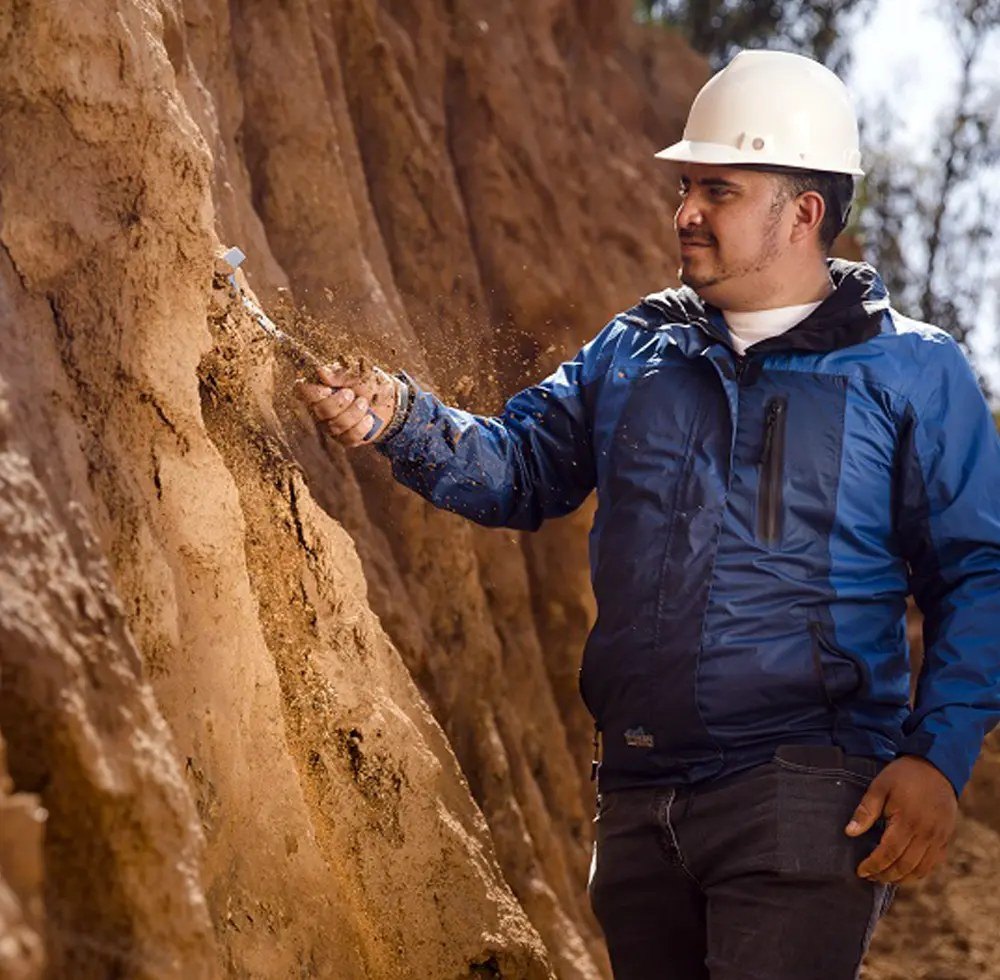
Aclara Resources Inc. has updated the Preliminary Economic Assessment (PEA) for its Penco Module ionic clay project in Chile. The revised study outlines a 17-year life of mine with average annual production of 732 tonnes of rare earth oxides (REO) in Super Pure Rare Earth Carbonate (SPREC). Heavy rare earth annual production is projected to include 44 tonnes of Dysprosium, 6 tonnes of Terbium, 400 tonnes of Yttrium, 31 tonnes of Gadolinium, and 19 tonnes of Samarium.
The updated PEA reports an after-tax net present value (NPV) of US$344 million at an 8.0% discount rate and an after-tax internal rate of return (IRR) of 26.1%, with a 3.2-year payback period. Mineral resources stand at 35.8 million tonnes Measured and Indicated grading 2,095 ppm TREO, plus 2.2 million tonnes Inferred. Construction capital expenditure is estimated at US$204 million plus US$39 million contingency, totaling approximately US$244 million, with operating costs of US$28.9 per tonne processed.
The project utilizes a patented Circular Mineral Harvesting process that requires no explosives, crushing, or milling, and recirculates approximately 97% of fresh water. A Feasibility Study compliant with NI 43-101 standards is expected in Q1 2027, with construction completion targeted for H2 2028. Grupo CAP holds a 20% ownership stake with an option to increase to 40%. SPREC separation is planned at Aclara's Louisiana facility, known as Project Dynamo, which is excluded from the PEA economics.
Aclara Resources Inc. (ARA) released an updated Preliminary Economic Assessment (PEA) on October 19, 2026, confirming the project's economic viability following the June 2026 environmental qualification resolution (RCA) for the Penco Module. The financial metrics, including a 26.1% internal rate of return (IRR) and a 3.2-year payback period, align with or slightly exceed those of the Carina Project Feasibility Study released in April 2026, which reported a 26.9% IRR and a 2.9-year payback. These figures validate Aclara’s integrated mine-to-alloy strategy.
The update coincides with the expansion of Project Dynamo’s scope to include Yttrium, Gadolinium, and Samarium, announced on October 13, 2026. This addition complements the Penco resource profile, creating a diversified product mix for downstream separation. The release meets management’s prior guidance targeting a PEA update for Q4 2026. The news is considered expected and incremental, fitting the company's stated 2026 development roadmap. It does not introduce new strategic risks or unexpected upside but solidifies the path toward construction financing.
Aclara Resources Inc. is developing a vertically integrated, Western-hemisphere rare earth supply chain, focusing on heavy and light rare earths critical for the energy transition. The company’s flagship projects include the Carina Project in Brazil, an ionic clay deposit with a NI 43-101 Feasibility Study showing a $1.7 billion NPV and 26.9% IRR, which targets H2 2028 production. In Chile, the Penco Module is an ionic clay deposit with an updated PEA showing a $344 million NPV and 26.1% IRR, with environmental approval secured in June 2026.
Downstream integration efforts include Project Dynamo in Louisiana, USA, a heavy rare earth separation facility where basic engineering was completed in October 2026 with an expanded scope and $494 million capex. Additionally, the Metals and Alloys Project in Louisiana, USA, is a 50/50 joint venture with CAP S.A. utilizing proprietary molten salt electrolysis technology to produce permanent magnet alloys. The company employs a proprietary Circular Mineral Harvesting (CMH) process that eliminates blasting, crushing, and milling, while achieving greater than 93% water recirculation and zero tailings generation.