Rackla Commences Airborne Geophysical Survey on the Lentung Project
Rackla expands the Lentung tungsten project’s geophysical footprint as metal prices reach record highs.
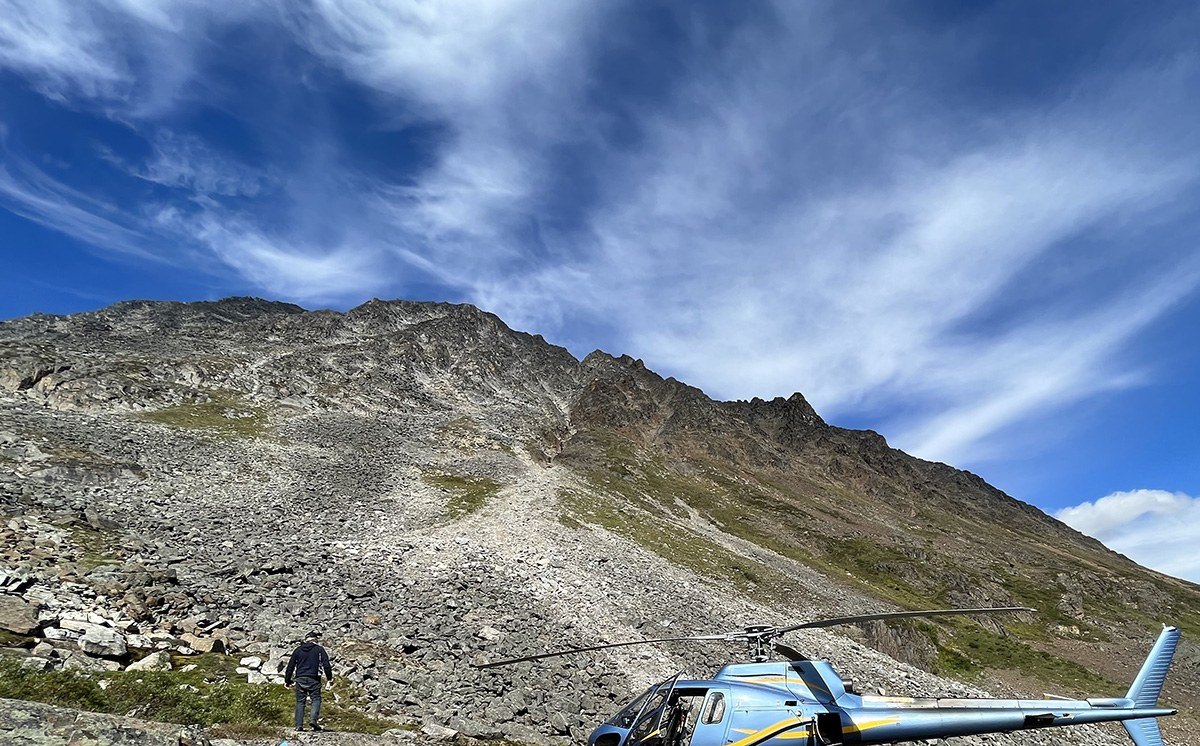
Rackla Metals Inc. has launched a high-resolution magnetic and radiometric airborne survey across its 155 km² Lentung tungsten–rare earth element project in the Northwest Territories. Conducted by Precision GeoSurveys Inc., the survey builds upon a successful drone-based pilot completed in July, which established a strong correlation between magnetic highs and known tungsten mineralization.
The company is actively executing its 2026 field season, having completed over 2,000 m of diamond drilling and 277 m of reverse-circulation drilling to date. Management plans to complete approximately 10,000 m of drilling for the season, subject to weather conditions. Initial assay results from the current program are expected within the coming weeks.
CEO Simon Ridgway highlighted the strategic value of modern multi-sensor geophysics to map the structural and igneous architecture of the property, aiming to identify new mineralized zones.
Rackla Metals Inc. (RAK) released results that represent a standard, expected progression in its Lentung exploration program. The announcement confirms that management is executing on the previously announced 10,000 m drilling and geophysical plan. The airborne survey serves as a logical follow-up to the drone pilot and does not contain new assay data or resource updates. While the news is positive for project momentum, it lacks the immediate financial or valuation catalysts required to move the stock materially. The update aligns with prior expectations and serves as an operational update rather than a market-moving event.
Rackla Metals Inc. is a Canadian exploration company focused on the Lentung tungsten project in the Northwest Territories. The project sits within the world-class Tombstone Tungsten Belt, located approximately 60 km north of the past-producing Cantung mine and 120 km south of the Mactung deposit. Rackla holds a 100% interest in the property, subject to a 1% Net Smelter Return (NSR) royalty.
Historic exploration by Union Carbide between 1977 and 1982 involved 26,900 m of drilling across 178 holes, identifying 15 tungsten-bearing zones. The 2026 program aims to twin historic holes, expand near-surface mineralization, and compile a modern geological model to support a maiden NI 43-101 resource estimate. Tungsten end-uses include cemented carbides, alloys, electronics, and defense, with supply constrained by Chinese export licensing regimes.