Roland closing in on option deal for Las Crucitas
None
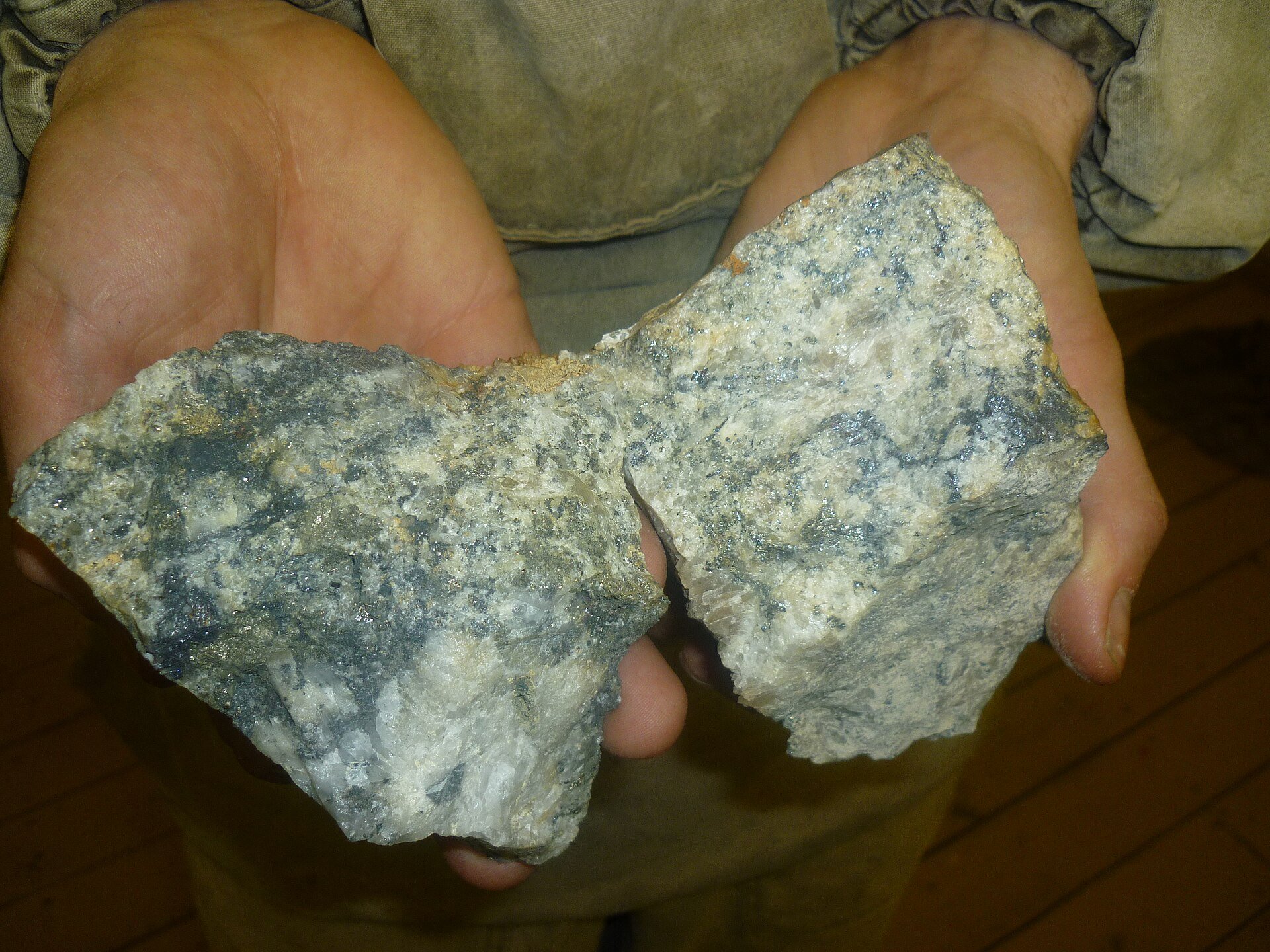
On October 27, 2025, Roland Mineral Enterprises announced it is in final negotiations to acquire an option on the Las Crucitas gold mine project in Costa Rica from Crusac Trinity Resources Corp. The project is described as an advanced-stage gold project with a historical (non-43-101 compliant) resource estimate of 1.24 million ounces of gold indicated at 1.37 g/t and 1.21 million ounces inferred at 1.28 g/t. The company highlights that a historical feasibility study was based on a gold price of $750/oz, suggesting significantly enhanced economics with the current gold price above $4,000/oz. The release also notes positive political developments, with the Costa Rican Legislative Assembly considering amendments that would permit open-pit mining, which has been banned for over a decade.
This news is material and potentially transformative for Roland, but it is accompanied by exceptionally high risk.
- Scale of the Project: The introduction of a project with a historical resource of over 2.4 million ounces of gold fundamentally changes the scope of the company. Previously, as of the September 24, 2025 news release, Roland was focused on early-stage exploration at its Canadian Buck Lake (PGM-Ni-Cu) and Gwyn Lake (gold) properties. This potential acquisition pivots the company towards a large, advanced-stage asset that could become its flagship project.
- Jurisdictional Risk is Extreme: This is the most critical factor. Costa Rica banned open-pit metallic mining in 2010. The news release states the legislature is "considering amendments," which is not a guarantee of a legal change. This project has been on "extended hiatus for over 17 years" precisely because of these jurisdictional challenges. Until the law is officially and irrevocably changed, the project cannot advance to production. This is a binary risk that could render the entire project worthless regardless of the gold content.
- Historical Resource: The resource estimate is historical and not compliant with NI 43-101 standards. This means it cannot be relied upon by investors. Roland will need to conduct significant and costly drilling to verify these historical results and establish a new, compliant resource. There is no guarantee that they will be able to replicate the historical numbers.
- Financial Implications: The terms of the option agreement (cash, shares, work commitments) have not been disclosed. A project of this magnitude will require substantial capital, almost certainly necessitating significant equity financing and shareholder dilution. The company's ability to fund exploration in a challenging jurisdiction is a major concern.
- Promotional Tone: The director's quote is highly promotional, emphasizing a $4,000/oz gold price. While gold prices are strong, using such a high figure to frame the opportunity is aggressive. The historical feasibility study from over 17 years ago is largely irrelevant today due to massively inflated capital and operating costs.
In context, the news shifts Roland from a typical Canadian junior explorer to a high-stakes bet on a politically sensitive project. The stock price has already experienced a significant run-up from $0.07 in early August to a high of $0.30 in September, suggesting the market may have been anticipating this news. While the headline resource number is impressive and justifies a "Material - Positive" rating, the jurisdictional and financial risks are so significant that they temper the excitement and warrant extreme caution.
Roland Mineral Enterprises Corp. is a junior mineral exploration company. Prior to this announcement, its focus was on two Canadian projects: 1. Buck Lake: A platinum-palladium-nickel-copper project with historical high-grade surface samples. 2. Gwyn Lake: An early-stage greenstone-hosted gold project in the Geraldton-Beardmore belt.
The potential acquisition of the option on the Las Crucitas project in Costa Rica would make it the company's undisputed flagship asset. It is an advanced-stage gold project that was reportedly moving toward production over 17 years ago before being halted due to political and legal changes in the country.