Initial Drilling at Coyote Basin Shows Radioactivity Correlating to Historical Drilling
Homeland Uranium Hits Radioactivity, But Waits on Assays to Prove Grade
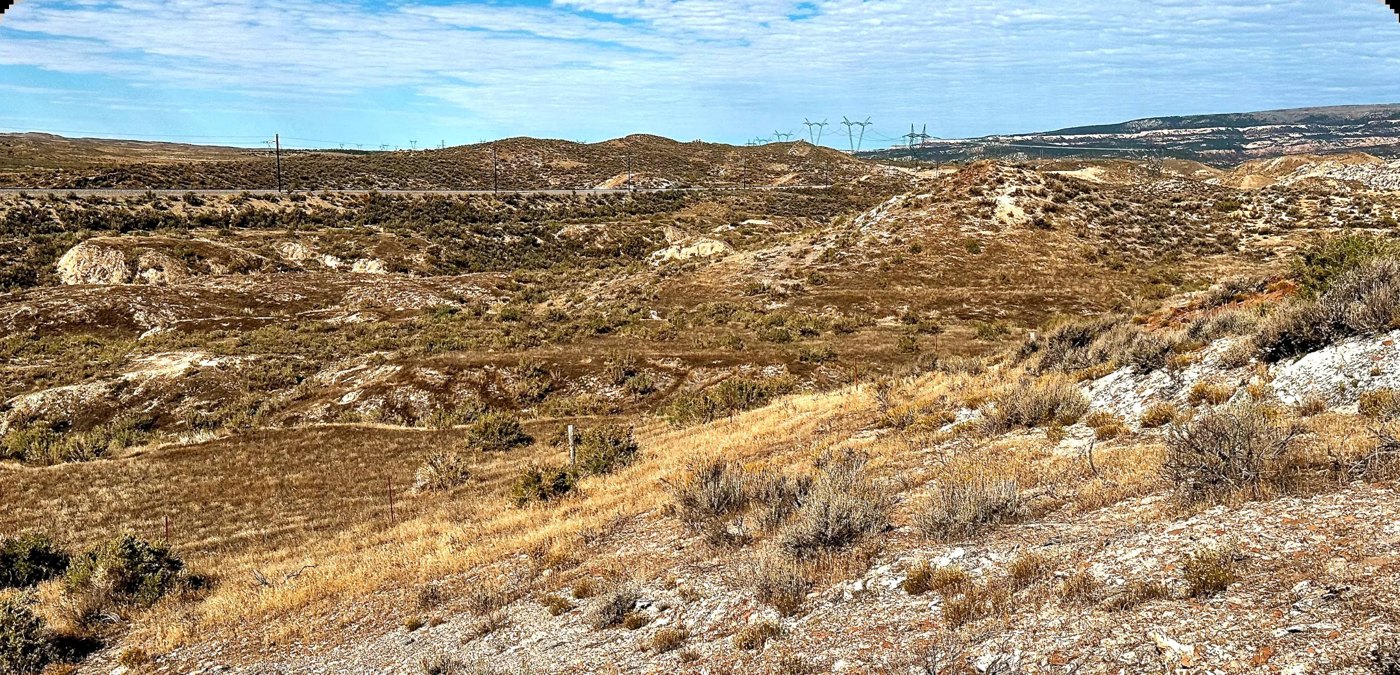
On December 15, 2025, Homeland Uranium provided an initial update on its Phase II reverse circulation (RC) drilling program at the Coyote Basin Uranium Project in Colorado. The company reported that initial results from the first six drill holes show elevated radioactivity based on downhole spectral gamma ray readings.
Specifically, hole CB-RC-0023 intersected two broad zones of radioactivity: a 50-meter zone near the surface (50m to 100m) and a 100-meter zone at depth (220m to 320m). The company states these radioactive zones correlate with historical drilling and shallow mineralized horizons. However, the release critically notes that uranium disequilibrium is a known phenomenon in the area, meaning the level of radioactivity may not directly correspond to the actual uranium grade. Therefore, chemical assays are required for confirmation. Samples have been sent to SGS Laboratories for geochemical analysis, and results are pending.
This news is a routine and expected update, confirming that the company is executing its previously announced drill program which began in November. Finding elevated radioactivity where historical data suggested it would be is a positive first step and a basic confirmation of the exploration model. It is better than drilling and finding nothing.
However, the impact is non-material at this stage. The company itself prudently warns that radioactivity readings (measured in counts per second or CPS) are not a proxy for grade due to potential uranium disequilibrium. This is the single most important takeaway. The market for junior explorers can be prone to over-excitement on preliminary indications like CPS, but the true measure of success will come from the chemical assays.
This release successfully moves the project narrative forward and indicates the program is on the right track, but it does not materially de-risk the project. The critical data point—verifiable U3O8 grades from lab assays—is still outstanding. The stock's recent decline from the $0.47 level (when drilling commenced) to $0.29 suggests the market is also waiting for more definitive results rather than reacting to the simple act of drilling. This news provides a small measure of confidence but does not change the fundamental investment thesis, which remains contingent on assay results.
Homeland Uranium Corp. is a junior exploration company focused on developing uranium projects within the United States. Following a reverse takeover in March 2025, the company's flagship asset became the 100%-owned Coyote Basin Uranium Project in northwestern Colorado.
The project is defined by a large, non-compliant historical resource estimate from 1979 of 35.4 million pounds of U3O8 at an average grade of 0.20%. The company's primary strategy is to conduct systematic exploration, including the current drill program, to verify the historical data and establish a modern, NI 43-101 compliant mineral resource estimate. The company has since consolidated its district position by acquiring the nearby Skull Creek project, which also contains a significant historical resource.