Monumental Energy Announces Successful Initial Production From Ngaere-1 Well and Provides Outlook for 2026
Monumental Transitions from Explorer to Producer as Ngaere-1 Well Hits 120 Barrels Per Day
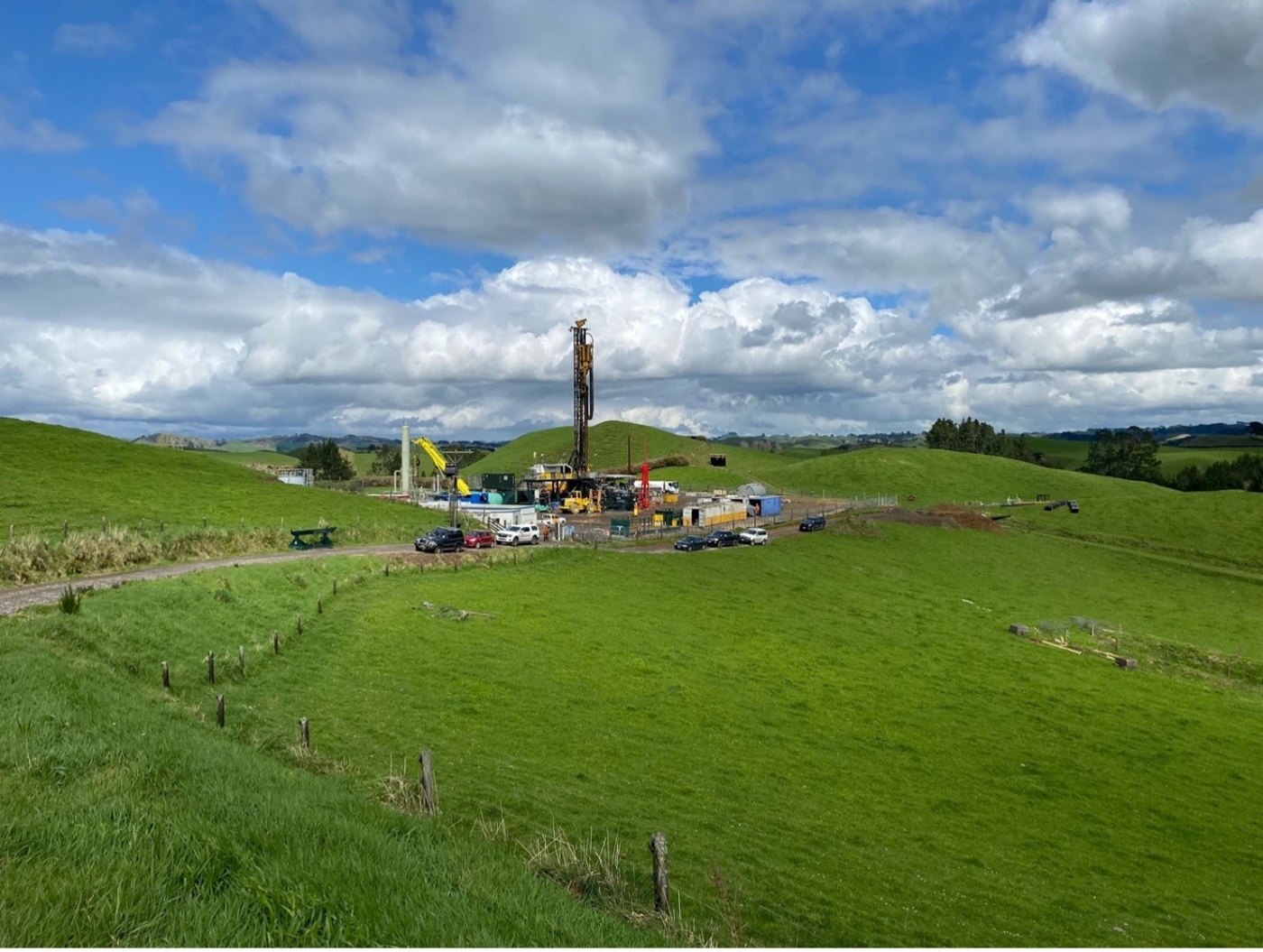
The most recent news (March 8, 2026) confirms a significant operational milestone: the Ngaere-1 well in New Zealand has successfully tapped a "bypass pay zone." Initial production was robust at 580 barrels in the first six hours, now stabilizing at 120 barrels of oil per day (bopd). Total production to date is 3,000 barrels. Due to this success, the partnership is immediately advancing similar workovers at Waihapa H1 and Ngaere-2. Furthermore, the company has applied to extend its permit area by 4,050 acres, targeting the natural gas supply shortage in New Zealand.
This news is Material - Positive because it validates the company’s strategic pivot from high-risk lithium exploration to low-cost oil and gas workovers. - Cash Flow Generation: 120 bopd at current Brent prices (approx. $75-$80 USD) represents significant gross revenue for a micro-cap company. Under the agreement, Monumental receives 75% of net revenue until capital recovery, then a 25% royalty. - Proof of Concept: The "bypass pay" strategy is working. This de-risks the upcoming workovers at Waihapa H1 (historically a 1,500 bopd producer) and Ngaere-2. - Strategic Shift: The move toward natural gas addresses a national supply shortage in New Zealand, where prices are reportedly 4x higher than North American benchmarks. - Infrastructure: The wells are already connected to the Waihapa production facility, minimizing capital expenditure for transport.
Monumental Energy has pivoted to the Taranaki Basin, New Zealand. Its flagship strategy involves partnering with New Zealand Energy Corp (NZEC) to fund workovers on "shut-in" or underperforming wells in exchange for high initial revenue splits (75%) followed by long-term royalties (25%). - Flagship Project: Waihapa/Ngaere Field and Copper Moki Field. - Secondary Assets: Laguna Cesium-Lithium (Chile) and a 2% NSR on the Salar de Turi project.