Legacy Gold's Final Assays from Baner Drilling Extend Hole #04 to 187.5m (615ft) at 0.55 g/t Gold; Step Out Hole #06 Now Widened to 64m (210ft) at 0.57 g/t Gold, Extending Zone 136m North
Legacy Gold expands mineralized footprint at Baner as it taps markets for C$6 million to fund 2026 campaign
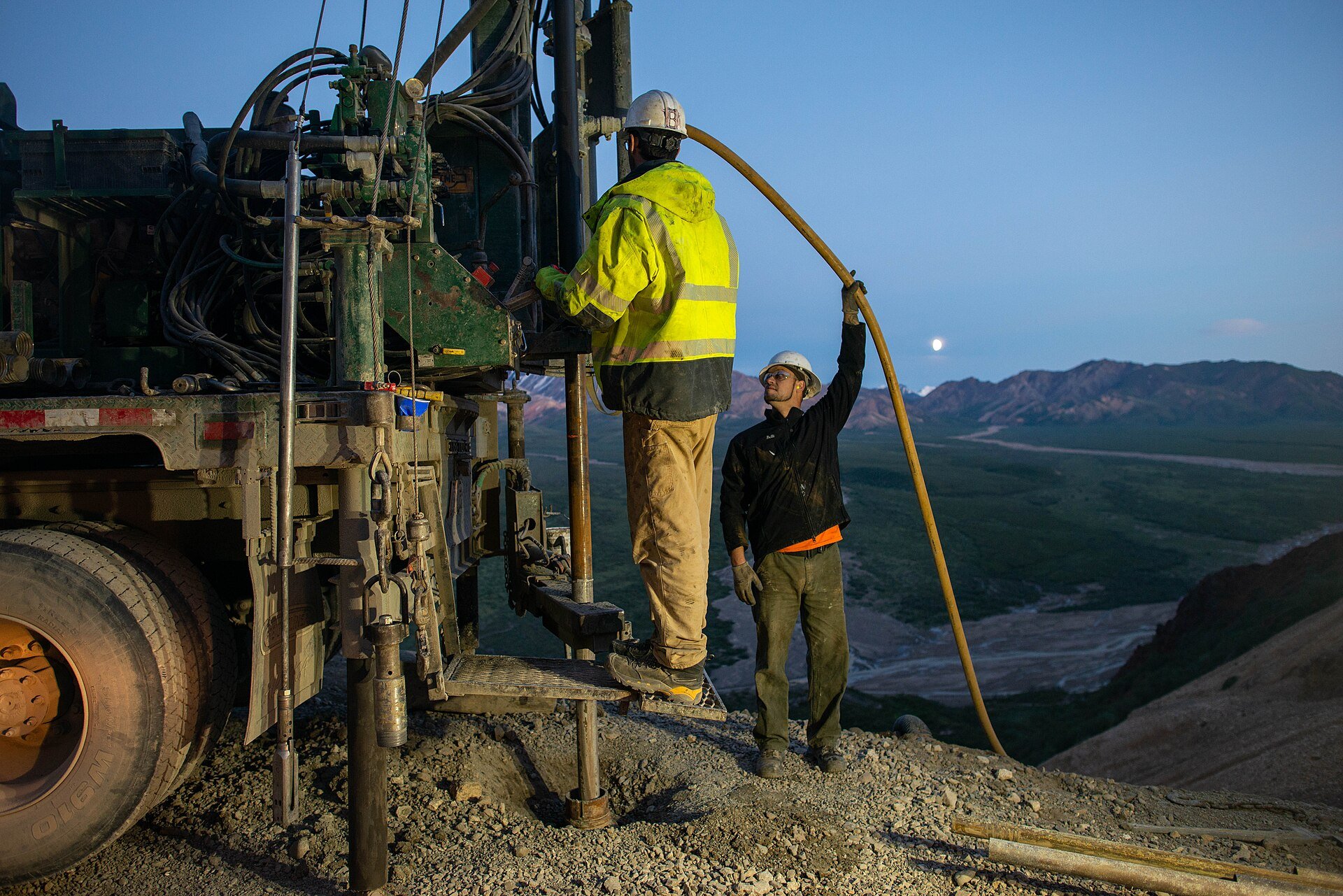
The most recent news (March 17, 2026) reports final assay results from the 2025 RC drilling program at the Baner Gold Mine Property. Key highlights include the extension of Hole LG25-004 to 187.5m at 0.55 g/t Au and Hole LG25-006 to 64m at 0.57 g/t Au. These results are "infill" assays from samples not originally prioritized, effectively widening the known mineralized zones. This follows the March 16 announcement where the company increased its private placement size from C$4.0 million to C$6.0 million at C$0.30 per share, indicating strong investor demand or a need for a larger cushion for the upcoming 20,000-foot 2026 drill program.
The news is Routine - Positive. While the extension of mineralized intercepts is technically favorable, the grades remain relatively low (0.52–0.57 g/t Au) and were largely expected by management. The "materiality" is tempered because these are final assays from a program completed months ago, rather than a new discovery. However, the ability to upsize a financing by 50% (from C$4M to C$6M) in a junior mining environment is a significant signal of capital availability, which reduces immediate insolvency risk and ensures the 2026 exploration season is fully funded. The project continues to demonstrate scale (50M+ tonne exploration target) but lacks the high-grade "sweeteners" typically needed to re-rate a micro-cap stock in a meaningful way.
Legacy Gold Mines Ltd. is a TSX-V listed explorer focused on the Baner Gold Mine Property in the Orogrande District, Idaho. The project is held under an option agreement with Champion Electric Metals Inc. to acquire a 100% interest. The property features a "textbook shear system" with mineralization open in all directions. The 2025 program successfully shifted the geological interpretation to a flatter-dipping model, which has increased the interpreted width of the gold zones.