Spartan Metals - Reviewing 2025 and a Look Ahead to 2026
Spartan Metals Charts 2026 Roadmap as Aggressive IR Spend Shadows Early-Stage Nevada Tungsten Results
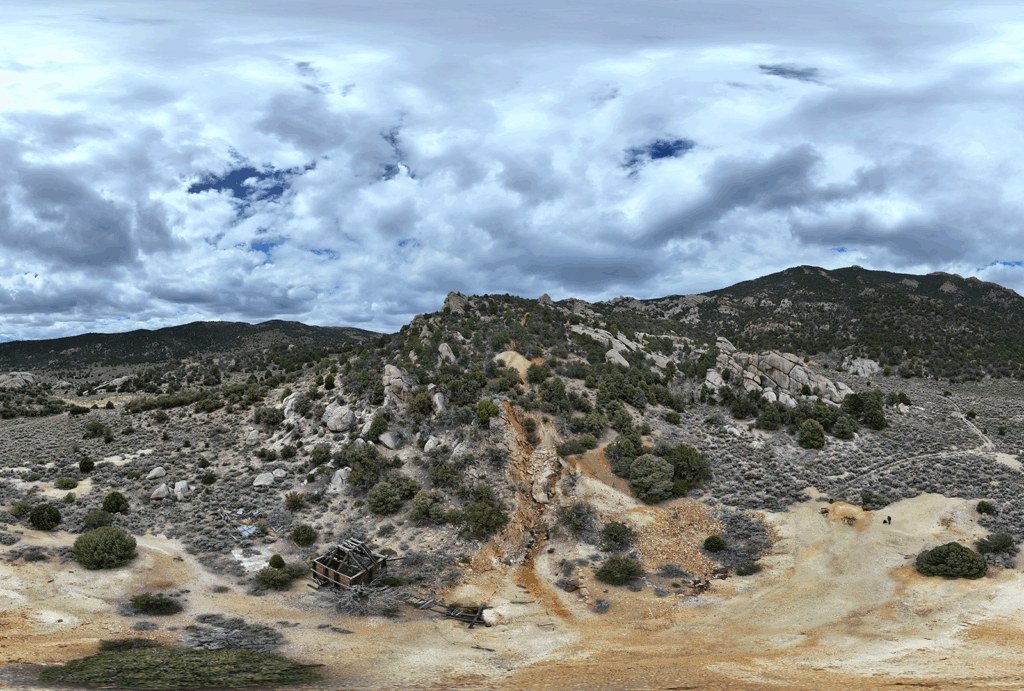
The most recent news release (January 8, 2026) provides a retrospective of 2025 and an exploration strategy for 2026 at the Eagle Project in Nevada. Key operational takeaways include the identification of six high-quality exploration targets: four at the Tungstonia deposit (veins, CRD, and bulk tonnage targets) and two at the Rees deposit (past-producing mines). For 2026, the company plans a drill campaign, metallurgical studies, and an attempt to secure non-dilutive financing. Simultaneously, Spartan announced a significant 12-month investor relations agreement with Plutus Invest & Consulting GmbH for the European market, with a fee ranging from €100,000 to €250,000.
The impact of the January 8 news is Routine - Positive. While it provides a clear roadmap for 2026, it primarily consolidates information previously released in late 2025 (soil sampling and target identification). - Operations: The confirmation of 2026 drilling is expected for an exploration-stage company. The mention of metallurgical results "within the next couple of months" from the December tailings drilling is the most immediate material catalyst. - Corporate: The wide range of the Plutus IR fee (€100k to €250k) is unusually high for a company of this market cap, suggesting an aggressive promotional push in Europe. This follows the termination of a previous IR agreement (ValPal) just one month after it began, indicating some instability or rapid shifts in marketing strategy. - Financial: The focus on "non-dilutive financing" is a critical acknowledgement that the company needs capital but wants to avoid further dilution after the September 2025 raise.
Spartan Metals Corp. is focused on "onshoring" critical minerals in the USA. Its flagship is the 100%-owned Eagle Project in White Pine County, Nevada. - Flagship: Eagle Project (Tungsten-Silver-Rubidium). - History: Includes the past-producing Tungstonia and Rees mines. Tungstonia historically produced 8,352 tonnes of WO3 at grades between 0.6% and 1.0%. - Current Status: Early-stage exploration. Recent work has expanded the land package and identified new soil anomalies and Carbonate Replacement Deposit (CRD) targets.