Halcones Precious Metals Announces Extension of Polaris Project Option Commitment
Halcones Precious faces Polaris project delays and a CEO exit, underscoring early-stage exploration risks and liquidity constraints.
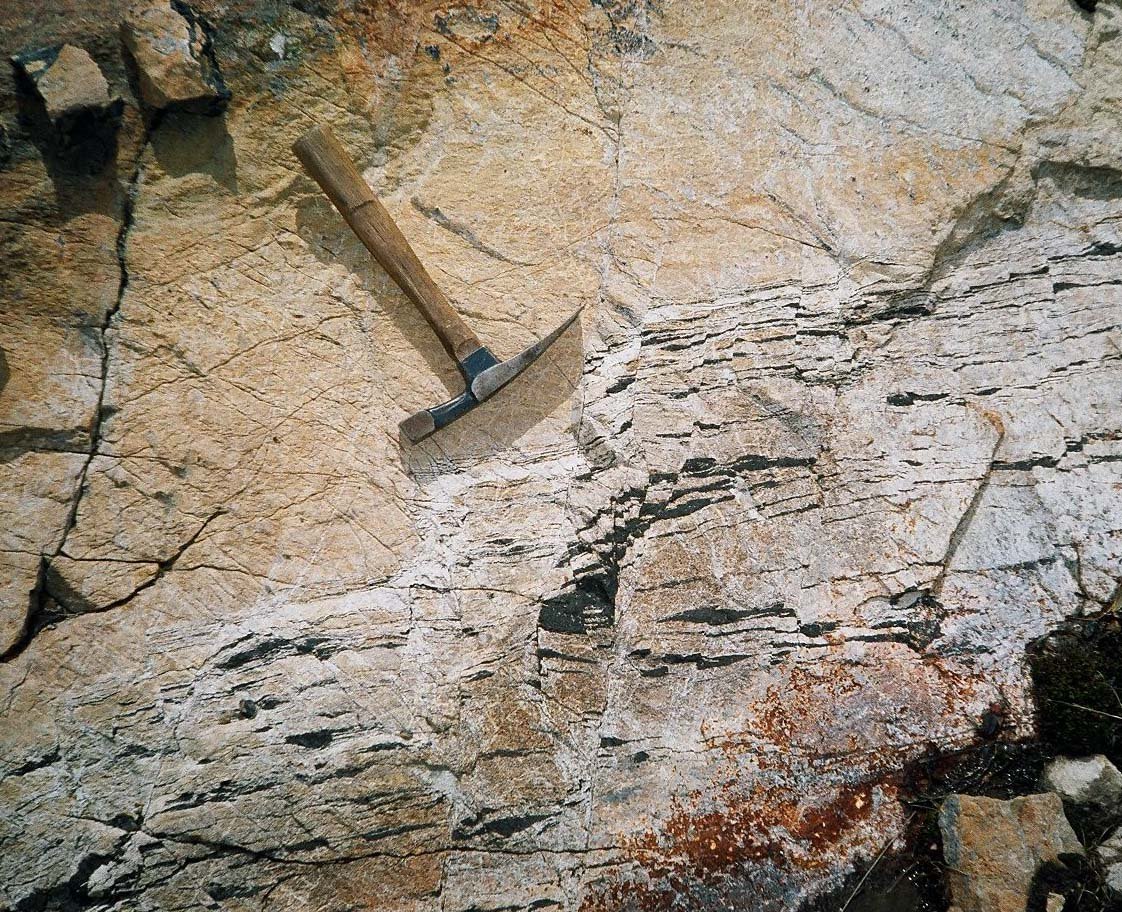
Halcones Precious Metals Corp. (HPM) has amended its Polaris Option Agreement with Austral Exploraciones, extending the drilling deadline to April 30, 2027, in exchange for a $50,000 cash payment. The move aligns with prior announcements regarding surface access challenges and work commitment deadlines.
The company initiated legal proceedings in October 2025 to secure a civil court easement for surface access in Taltal, Chile, following a nine-month stalemate with surface rights holders.
In leadership changes, CEO Ian Parkinson resigned effective September 1, 2026. Vern Arseneau was appointed Interim CEO, with Parkinson remaining as an advisor.
Halcones Precious Metals Corp. (HPM) announced a six-month drilling extension, an administrative adjustment tied to the ongoing legal easement process. The company will incur a $50,000 cash outlay, which, while immaterial to its $262,000 cash balance, further depletes working capital.
The resignation of the CEO introduces management uncertainty, though the appointment of Vern Arseneau as Interim CEO mitigates downside risk. Arseneau brings more than 40 years of South American exploration experience, including roles at Noranda and Zincore, providing an operational safeguard.
No new geological data or drilling results were disclosed. The project remains in a pre-drill, cash-burn phase, with the news reinforcing timeline delays and liquidity pressure.
Halcones Precious Metals Corp. (TSX.V: HPM) is an early-stage exploration company focused on the Polaris Project in northern Chile's Coastal Mining Belt. The project spans 5,777.5 hectares and has never been diamond drill tested. Surface sampling over a 3.9 km strike length has identified high-grade gold mineralization, with bedrock samples up to 55.30 g/t Au. The geological model suggests quartz veins and stockwork veining controlled by major crustal faults, with potential for near-surface, cost-effective open-pit mining. Planned initial drilling targets the North Zone to test depth continuity of surface anomalies.