Astra Extends High-Grade Mineralization in Multiple Directions, Including 80.54 g/t Gold Over 2 Metres At La Manchuria Project, Argentina
Astra reports a 2 m gold hit, while deep feeder tests in andesites fail to deliver results.
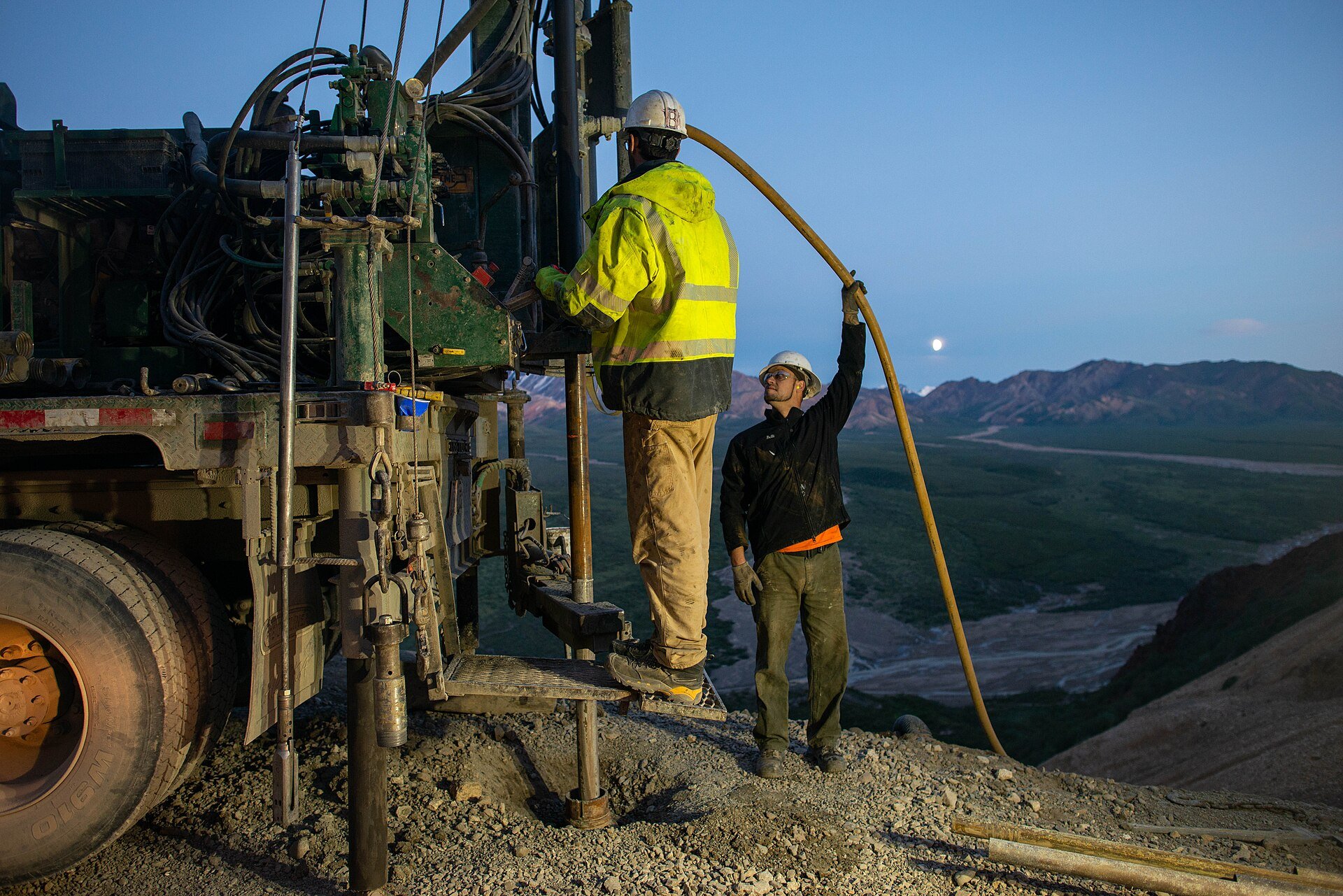
Astra Exploration Inc. (ASTR) has released the results from the first eight diamond drill holes of its Phase III program at the La Manchuria project in Argentina, with eight additional holes still pending. The company exercised its first earn-in to acquire an 80% interest in La Manchuria from Patagonia Gold, retaining an option to increase that stake to 90%.
The headline intercept came from hole LMD-148, which returned 2 metres grading 80.54 g/t gold and 44.5 g/t silver from quartz-sulphide veinlets and fault breccias located approximately 120 metres from the surface. Other high-grade intervals included LMD-143, which returned 2 metres at 26.23 g/t gold plus 0.9 metres at 2.76 g/t gold and 540.6 g/t silver; LMD-144, which returned 0.58 metres at 20.94 g/t gold and 9.9 g/t silver; and LMD-142, which returned 1 metre at 15.85 g/t gold and 219.8 g/t silver.
Broad disseminated intervals were also reported, including LMD-143 returning 56 metres at 0.50 g/t AuEq, LMD-145 returning 54 metres at 0.86 g/t AuEq, and LMD-146 returning 21 metres at 0.87 g/t AuEq. Deeper vein intersections in andesitic rocks at the Eastern Zone and in the West Feeder were reported as essentially barren or low-grade.
Astra Exploration Inc. (ASTR) is a pre-resource, pre-revenue junior explorer that carries a going-concern qualification in its prior financial statements. The company’s recent release marks the first batch of Phase III assays following a long quiet period, providing genuinely new information.
Among the results, LMD-148 stands out as a strong, credible high-grade intercept with reasonable true-width disclosure and named QA/QC, making it likely market-relevant. However, deep Eastern Zone failures indicate the system is not yet growing at depth in the manner suggested by prior feeder-convergence commentary.
The earn-in exercise to 80% represents a milestone, though it was expected once spending exceeded the threshold and is therefore only modestly new.
Astra Exploration Inc. is a Vancouver-based precious metals exploration company. Its main asset is the La Manchuria gold-silver project in Santa Cruz, Argentina, where it now holds 80% and has an option to reach 90%. The project is a low-sulphidation epithermal system in the Deseado Massif. Astra also holds Pampa Paciencia and Cerro Bayo in Chile.
Financials as at March 31, 2026 show no revenue, a net loss of C$6.42 million for FY2026, and a going-concern flag. The company completed a C$15 million placement in April 2026 at C$0.77 per share, after the latest provided financial statements.