Galantas Gold Expands Indiana Drill Program to 12,500 Metres
Galantas plans Indiana drilling after visual sulfides were observed, though assays remain elusive.
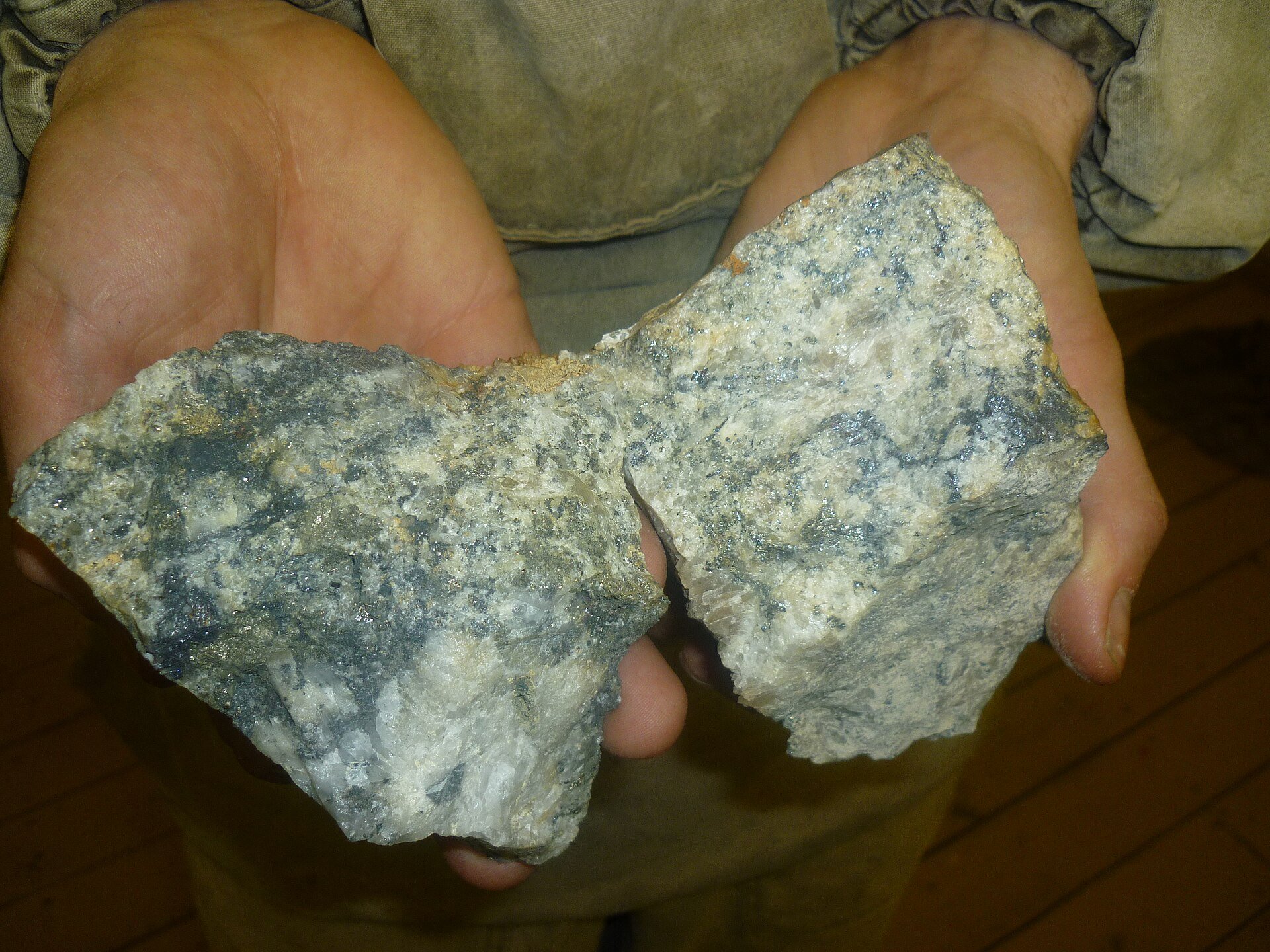
Galantas Gold Corporation (GAL) has expanded its Indiana drill program from 5,000m to 12,500m, a move funded by the company’s cash reserves. To date, 13 holes totaling 5,060m have been completed, with 12 intersecting known veins or new structures and one infill hole drilled at Flor de Espino Este.
The program has yielded the first-ever observation of disseminated sulphide mineralization, including pyrite and chalcopyrite, within intrusive and volcanic rocks at Indiana. Additional findings include disseminated molybdenite and hypogene chalcocite-bornite associated with calcsilicate alteration. Specific intercepts include drill hole IN26008, which returned 26.2m (500.4–526.6m) of disseminated sulphide in monzodiorite and andesite, and IN26014, which intersected 4.25m (216.0–220.25m) of disseminated sulphide. IN26014 also identified hypogene chalcocite-bornite at 398.1m within intense calcsilicate alteration. Molybdenite was noted over approximately 1m at two locations in drill hole IN26010.
Exploration efforts have also identified a new target, “La Maravilla,” on the Zeus structure, where surface trenches and road cuts have exposed altered intrusive and volcanic rocks containing iron oxides and silicified hematite.
Assay results remain limited due to a laboratory backlog and flooding and power loss in the Coquimbo region. Samples are currently being sent to alternative laboratories. CEO statements indicate that these observations support the company’s belief that Indiana is a fertile area for discovery.
Galantas Gold Corporation (GAL) has expanded its drilling program at the Indiana project based on visual observations, a move that does not constitute a material change to the deposit’s known resource or economic viability. The Indiana project currently holds inferred resources of 4.93 million tonnes at 2.24 grams per tonne of gold and 1.31% copper from vein-hosted mineralization. The newly identified disseminated style of mineralization could potentially expand tonnage if grades prove sufficient, though the absence of assay results renders this speculative.
As a junior explorer with no revenue and a market capitalization of C$361 million, much of Galantas Gold’s valuation is tied to its Andacollo gold project, which holds a resource of approximately 6 million ounces of gold. Indiana remains a secondary asset for the company. Consequently, this drill expansion would only materially impact the company if assays confirm significant disseminated mineralization at grades comparable to porphyry or bulk-tonnage deposits, specifically greater than 0.3% copper equivalent over substantial width. This news represents incremental exploration activity that is not yet definable as a discovery and does not alter the resource, production timeline, or near-term catalysts.
Galantas Gold Corporation (GAL) is a Canadian junior gold explorer and developer active in Chile, operating two primary projects. The Andacollo Oro Gold Project is a past-producing open-pit heap leach site containing 1.47 million ounces of indicated gold and 4.54 million ounces of inferred gold, with a restart targeted for 2027. The Indiana Gold-Copper Project features an underground vein system with 355,000 ounces of inferred gold and 64,700 tonnes of copper, for which the company holds an option to acquire a 100% interest while a preliminary economic assessment is in progress.
The company’s strategic shareholder base includes Eric Sprott with approximately 16%, Ocean Partners with 12%, Luis Catril with 11%, and Melquart with 8%. Galantas currently generates no revenue and is funded through equity raises, most recently a $100 million offering at $0.55 per share in May 2026, following earlier placements of $15.5 million and $14.9 million. The fully diluted share count stands at approximately 1.08 billion shares, with significant dilution potential from 209 million warrants exercisable between $0.12 and $0.80, as well as convertible debentures. Near-term catalysts include the issuance of an operating permit for Andacollo, drill results from both projects, and the completion of the preliminary economic assessment.