Namibia Critical Metals Inc. Files NI 43-101 Pre-Feasibility Study Technical Report for the Lofdal Heavy Rare Earths "2B-4" Project
Namibia Critical Metals Solidifies Rare Earth Economics with Formal PFS Filing as Strategic Partner JOGMEC Nears 50% Milestone
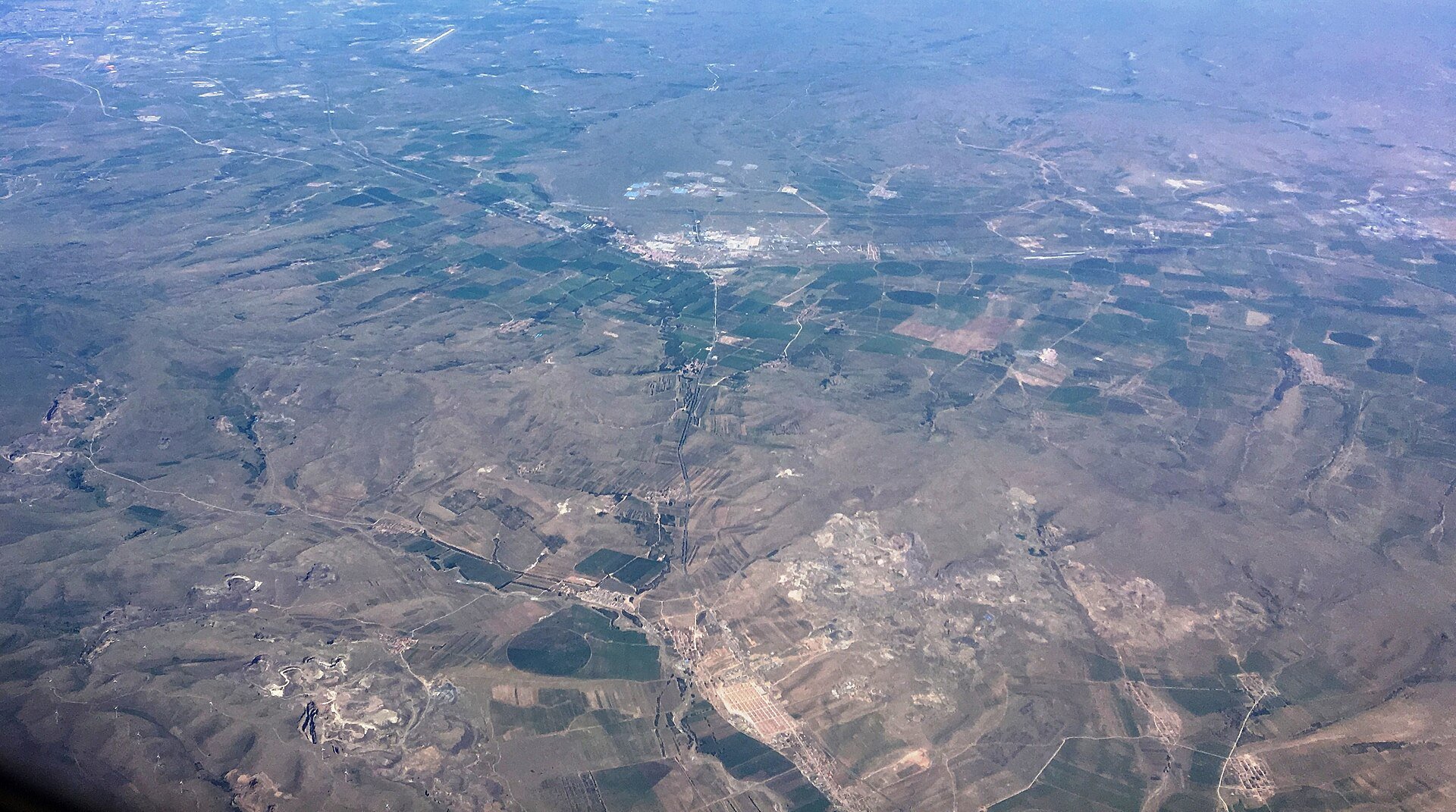
On January 13, 2026, Namibia Critical Metals Inc. (NMI) filed the formal NI 43-101 Technical Report for the Pre-Feasibility Study (PFS) of its Lofdal Heavy Rare Earths "2B-4" Project. This follows the summary results released on December 3, 2025. The report confirms a 13-year mine life with an after-tax NPV (5% discount) of $275.5 million USD and an IRR of 19% in the base case. A "Divergent Case," based on more aggressive pricing for Dysprosium and Terbium, suggests a potential NPV of $747.9 million USD. The project is a joint venture with the Japan Organization for Metals and Energy Security (JOGMEC), which has earned a 40% interest and is currently funding toward a 50% interest.
The filing is a critical regulatory milestone that transforms summary press release data into a verified technical document suitable for institutional due diligence. - Validation of Economics: The PFS confirms that Lofdal is a globally significant source of Dysprosium and Terbium outside of China. - De-risking: Successful pilot plant work (noted in Jan 2025 news) and the simplified flow sheet have been integrated into this report, potentially mitigating inflationary pressures on operating costs. - JV Progress: JOGMEC has funded C$17,445,000 of the C$20,000,000 required for a 50% stake. The continued financial commitment from a sovereign-backed Japanese entity provides a massive layer of security that most junior miners lack. - Financing Gap: While the economics are positive, the Pre-Production Capital Cost of $273.4 million USD (total $347.9M) is more than six times the company’s current market capitalization. This remains a significant hurdle for a junior developer.
Namibia Critical Metals Inc. is focused on the development of the Lofdal Heavy Rare Earths Project in Namibia. Lofdal is unique due to its high distribution of "heavy" rare earths (Dysprosium and Terbium), which are essential for high-temperature permanent magnets used in EVs and wind turbines. The project is fully permitted with a 25-year mining license (ML200) valid until 2046. The mineralogy is primarily xenotime, which allows for a simpler acid-bake processing route compared to other complex rare earth deposits.