Other
Avalon Advanced talks Nechalacho rare earth recoveries
AVL · Price
Executive Summary
- Avalon Advanced Materials and Engina Corp. completed a joint assessment confirming that Engina’s proprietary Hybrid Supercritical Refining (HSR) process can achieve over 90% rare earth element recovery from Nechalacho concentrate.
- The HSR process offers significant environmental and operational advantages over conventional methods, including reduced chemical consumption, elimination of sulphuric acid plant operations, and lower greenhouse gas emissions.
- The assessment outlines a multi-phase development roadmap, including bench-scale variability testing, mini-loop validation, and pilot plant design, with potential integration into Avalon’s envisioned Pine Point plant pending further engineering studies.
Key Details
- Recovery Performance: Preliminary bench-scale testing demonstrated overall rare earth recoveries exceeding 90% across the full rare earth element inventory present in the Nechalacho concentrate.
- Process Technology: The assessment utilized Engina’s proprietary hybrid supercritical refining (HSR) process, which integrates a unique caustic pretreatment with supercritical fluid extraction.
- Operating Conditions: The process operates under moderate conditions, significantly reducing chemical consumption and environmental impact compared to conventional acid bake-water leach (ABWL) and molten caustic-cracking routes.
- Environmental Benefits:
- Designed as a largely closed-loop, water-lean system.
- Eliminates the need for sulphuric acid plant operations, associated emissions, and sulphate tailings.
- Produces near-neutral, non-hazardous solids.
- Significantly reduces neutralization waste compared to existing hydrometallurgical circuits.
- Operates with minimal combustion and no sulphuric acid handling, minimizing greenhouse gas emissions.
- Uses recycled CO2 as the principal extraction solvent.
- Energy Efficiency: Initial design and simulations indicate the hybrid circuit is expected to offer lower specific energy intensity than ABWL or traditional caustic-cracking processes.
- By-product Potential: The caustic pretreatment step converts zirconium- and niobium-bearing minerals into reactive forms. Optional downstream unit operations could be developed to selectively recover these accessory critical minerals, though these have not yet been experimentally validated.
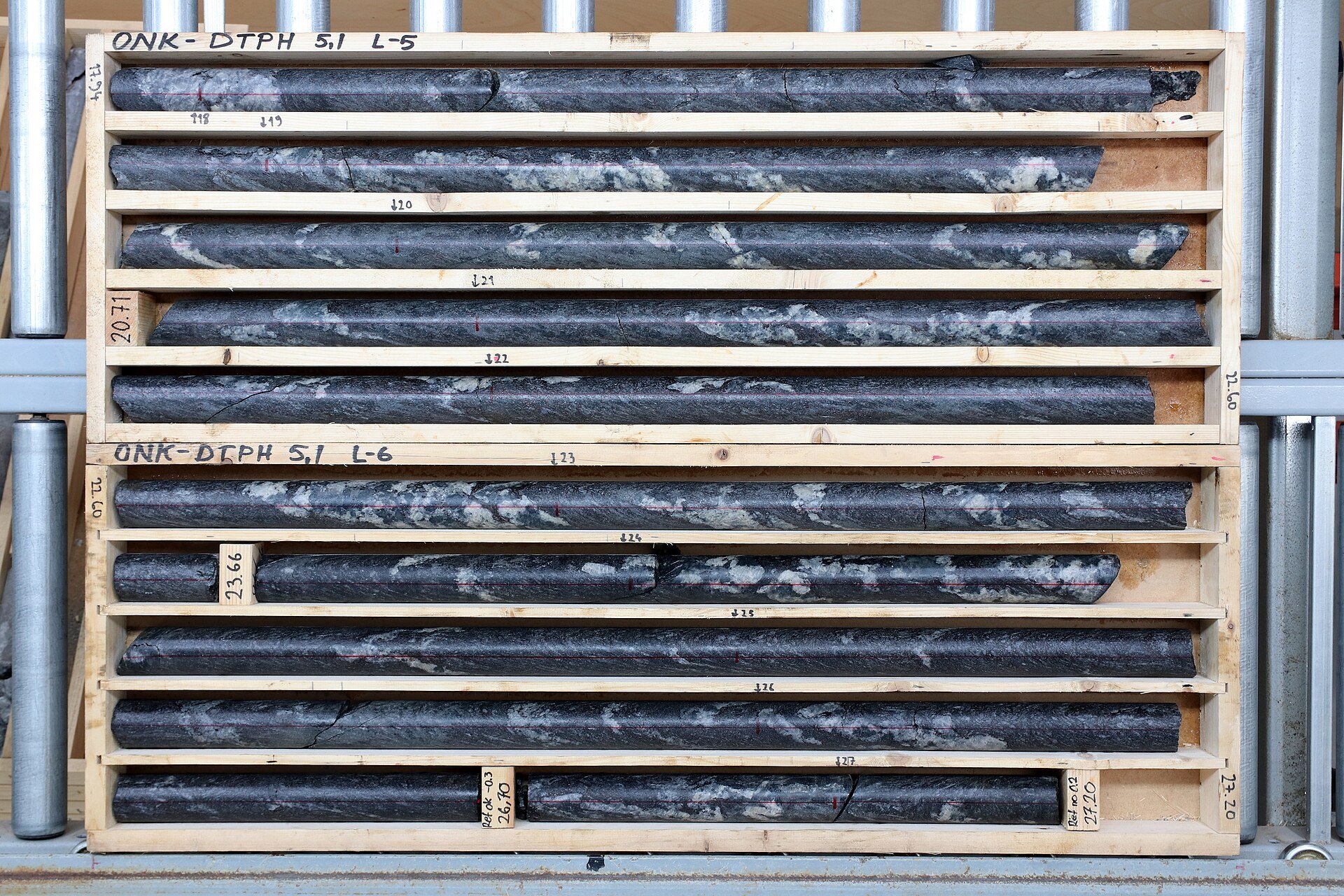
- Project Context: The Nechalacho project is one of Canada's major rare earth projects. A feasibility study was completed in 2013, with approximately $100 million spent on the project.
- Development Roadmap:
- Bench-scale variability testing using multiple Nechalacho concentrate samples.
- Integrated continuous mini-loop operation to validate mass and energy balances and solvent recyclability.
- Techno-economic and environmental assessment leading to pilot design.
- Continuous pilot plant (TRL 7-8) and full feasibility study to support commercial deployment.
- Qualified Person: Data reviewed and approved by Dr. Gisele Azimi, PEng, a non-independent qualified person under NI 43-101.
Notable Quotes
- Scott Monteith, President and CEO, Avalon Advanced Materials: "We are very thrilled for this breakthrough in the extraction of some of the most crucial rare earth elements (REE)... This collaboration demonstrates how Canadian innovation can redefine critical mineral processing. Engina's HSR process combines chemical efficiency, environmental responsibility and scalability -- addressing the industry's urgent need for cleaner rare earth refining solutions."
- Dr. Gisele Azimi, Engina: "The hybrid supercritical refining platform offers Avalon a genuinely new pathway for responsible rare earth extraction. Achieving high recoveries while reducing reagent use and environmental load is a rare combination in our industry. We are pleased with the initial results and are committed to working with Avalon to advance the systematic testing required to determine the technology's full commercial potential."
More from Avalon Advanced Materials Inc.
Aug 27, 2026 · 07:01