Adyton Resources Receives Non-Binding Letter of Intent (LOI) for the Purchase of Gold Concentrate from Its Wapolu Project
Adyton Secures Non-Binding Offtake Intent as Focus Shifts to Near-Term PNG Gold Production
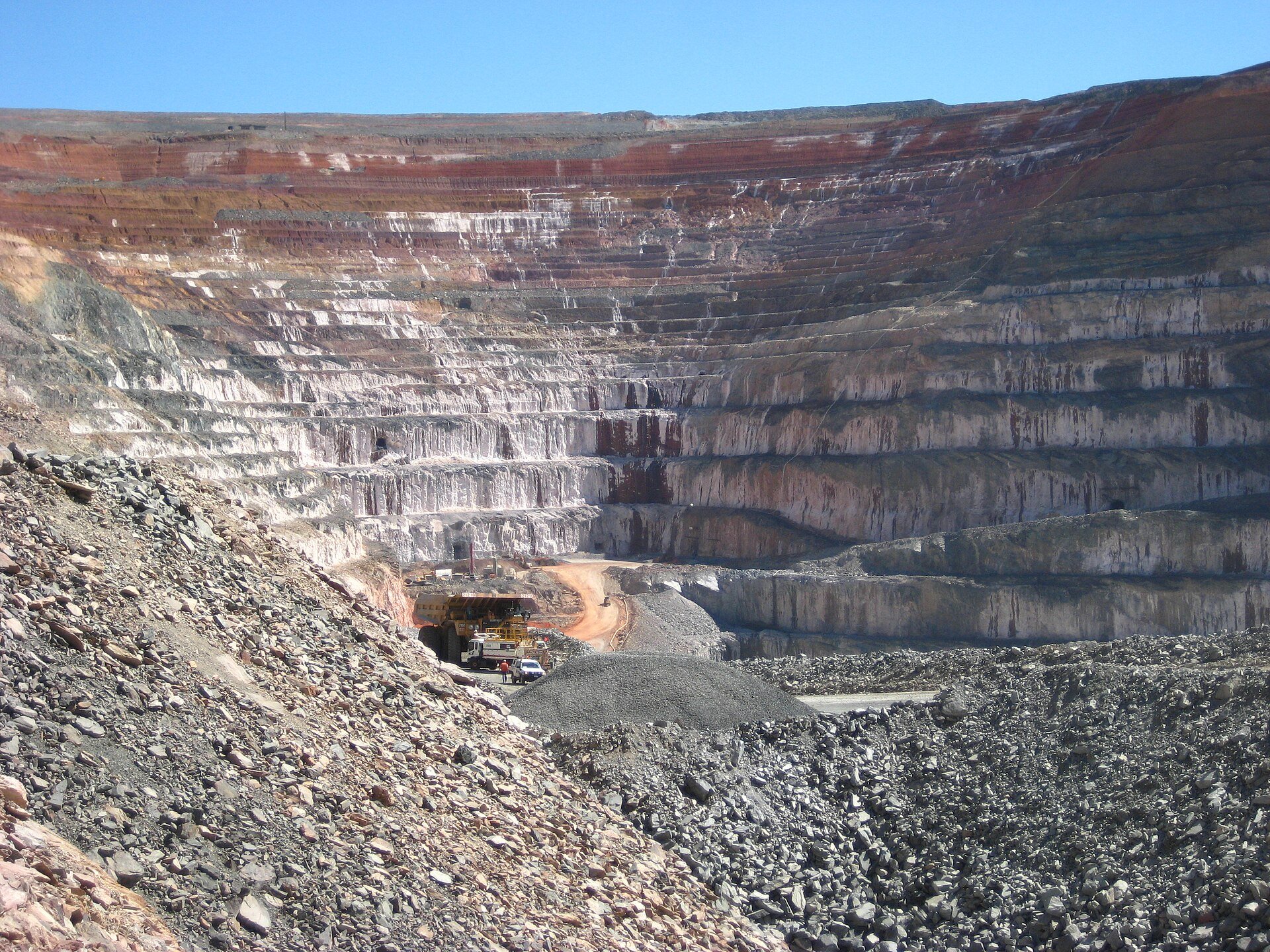
On December 10, 2025, Adyton Resources announced it has received a non-binding Letter of Intent (LOI) from Hyosung TNC Corporation for the purchase of gold concentrate from its Wapolu Gold Project on Fergusson Island, Papua New Guinea (PNG). The LOI outlines indicative terms and suggests a potential 15% improvement in payable terms for the concentrates compared to standard industry terms. The news release also reiterated the company's target for a production restart at Wapolu in late 2026 and provided updated resource estimates for its Fergusson Island projects.
The announcement of a non-binding LOI is an incrementally positive step for Adyton, but its materiality is tempered by its preliminary nature.
Positive Aspects: - Commercial Validation: Securing an LOI from a major international corporation like Hyosung TNC provides third-party validation for the Wapolu project's potential. It is the first concrete step towards establishing a commercial pathway for future production. - Potentially Improved Economics: The mention of a "15% improvement in payable terms" is significant. If this is carried through to a binding agreement, it would materially enhance the future cash flow and profitability of the Wapolu operation. - Strategic Execution: This news follows the November 18, 2025 update on permitting progress at Wapolu. It demonstrates that the company and its JV partner, EVIH, are sequentially executing their plan to bring the past-producing mine back online.
Key Risks & Concerns: - Non-Binding Nature: This is the most critical risk. An LOI is not a contract and there is no guarantee that a definitive, binding offtake agreement will be signed, nor that it will retain the favorable terms mentioned. - Focus on the Smaller Asset: The news relates to Wapolu, which holds a relatively small Inferred resource of 200,000 oz. While near-term cash flow is a positive, the market's focus and the company's larger potential valuation driver has been the 1.46M oz Feni Island project. - Feni Project Sentiment: The market has reacted negatively to the drill results from Feni released on October 14, 2025, which showed a large but relatively low-grade system. This resulted in a steep decline in the share price from a high of C$0.57 to its current C$0.23 level. This positive news from Wapolu may not be sufficient to offset the negative sentiment surrounding the company's flagship exploration asset. - Share Price Overhang: The stock is trading approximately 43% below the C$0.40 price of its C$20 million financing in August 2025. This creates a significant potential for selling pressure from underwater investors, which could cap any near-term rally.
In summary, the news confirms progress on the de-risked, near-term production story at Wapolu. This is positive. However, the non-binding status of the LOI and the persistent negative sentiment surrounding the larger Feni project limit its immediate impact. The market will require more definitive achievements, such as a binding agreement or granted permits, to fully re-rate the stock.
Adyton Resources is a gold-copper exploration and development company with a portfolio of projects in Papua New Guinea. The company is pursuing a dual strategy:
- Near-Term Production (Fergusson Island): This involves restarting the past-producing Wapolu gold mine and developing the nearby Gameta deposit. These projects are held in a joint venture where partner EVIH funds development to earn a 50% interest, providing Adyton with a "carried" path to cash flow, targeted for late 2026. This is currently the company's primary development focus.
- Large-Scale Exploration (Feni Island): This is the company's 100%-owned flagship exploration asset. It hosts a large inferred mineral resource of 1.46 million ounces of gold, with potential for significant copper credits. The goal is to substantially expand this resource to demonstrate a tier-one scale deposit.