ARIANNE PHOSPHATE PROVIDES AN UPDATE ON ITS MINISTERIAL DECREE
Arianne Phosphate Secures Key Permit, De-Risking Path to LFP Battery Supply Chain Amidst Tightening Cash Position
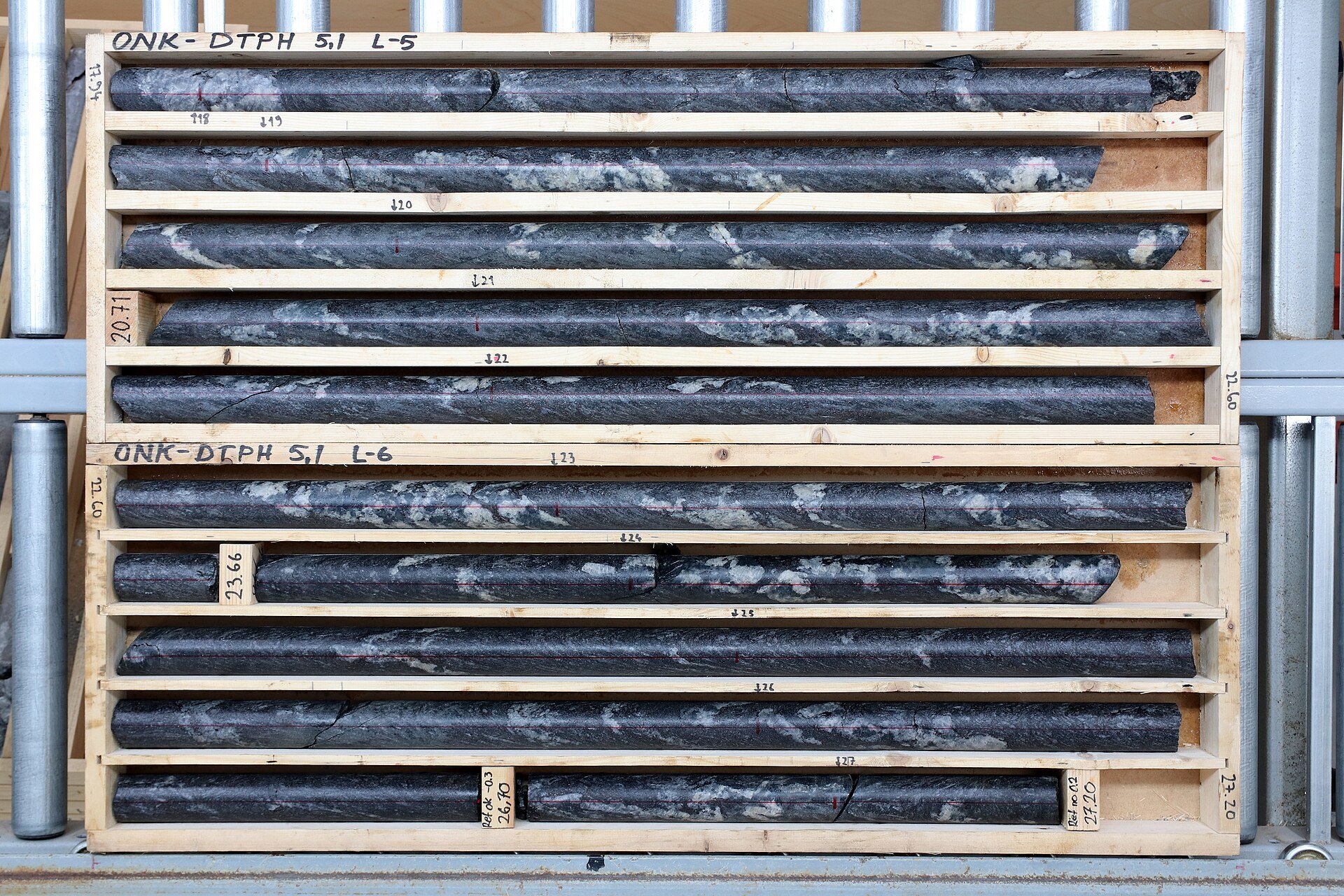
On December 11, 2025, Arianne Phosphate announced that the Government of Quebec has confirmed its Ministerial Decree for the Lac à Paul project will remain valid while the company's application for an extension is processed. This provides the company with a two-year window where the permit remains in good standing, potentially extending its validity until December 2027. A positive outcome on the extension request could add up to five more years to the permit's life. The company's COO, Raphael Gaudreault, stated this confirmation is a key component for stakeholders and provides potential partners with the comfort needed to advance the project.
The confirmation of the Ministerial Decree's validity is a material positive development. For a development-stage mining company, permitting is a primary hurdle and a source of significant risk. This news effectively removes a major potential overhang: the risk that the project's core permit could expire, rendering the asset worthless.
Historically, Arianne has been building a narrative around its strategic importance to the Western lithium-iron-phosphate (LFP) battery supply chain, as highlighted in releases from January, June, and October 2025. This pivot from a simple phosphate concentrate story to a value-added Purified Phosphoric Acid (PPA) producer is entirely dependent on having a "fully permitted" and "shovel-ready" project. This permit update solidifies that claim and is critical for ongoing discussions with potential partners and financiers, which the company has repeatedly stated are its top priority (Jan 8, 2025 release).
However, this news must be viewed in the context of the company's precarious financial position. The Q3 2025 financials (filed Nov 11, 2025) show only $2.7 million in cash and a significant working capital deficit of ~$37 million, driven by over $42 million in credit lines and convertible debentures. The company burned through $1.7 million in the first nine months of 2025. Finance costs alone were a staggering $9.2 million.
Therefore, while the permit news is an essential de-risking step on the operational side, it does not address the critical and immediate financial risk. It makes the company more attractive to a potential partner, but it does not provide the hundreds of millions in capital required for development. The positive impact is that it strengthens management's negotiating position and keeps the project viable while they seek a financial solution. It's a necessary, but not sufficient, catalyst for a major re-rating.
Arianne Phosphate is a Canadian development-stage company focused on its 100%-owned Lac à Paul phosphate project in the Saguenay-Lac-Saint-Jean region of Quebec. The project is described as the world's largest greenfield phosphate deposit. Its key advantage is its igneous geology, which allows for the production of a high-purity, low-contaminant phosphate concentrate (39% P2O5).
The company's strategy has evolved to focus on downstream vertical integration. It plans to use its high-purity concentrate to produce Purified Phosphoric Acid (PPA), a critical material for the agriculture/food sector and, more importantly, for the rapidly growing LFP battery market. This aligns the project with the North American critical minerals strategy aimed at building a secure supply chain independent of China.