Volt Carbon Technologies Announces $175,000 Placement
Volt Carbon Trapped in Perpetual Micro-Financing Cycle as Technical Milestones Fail to Offset Liquidity Crisis
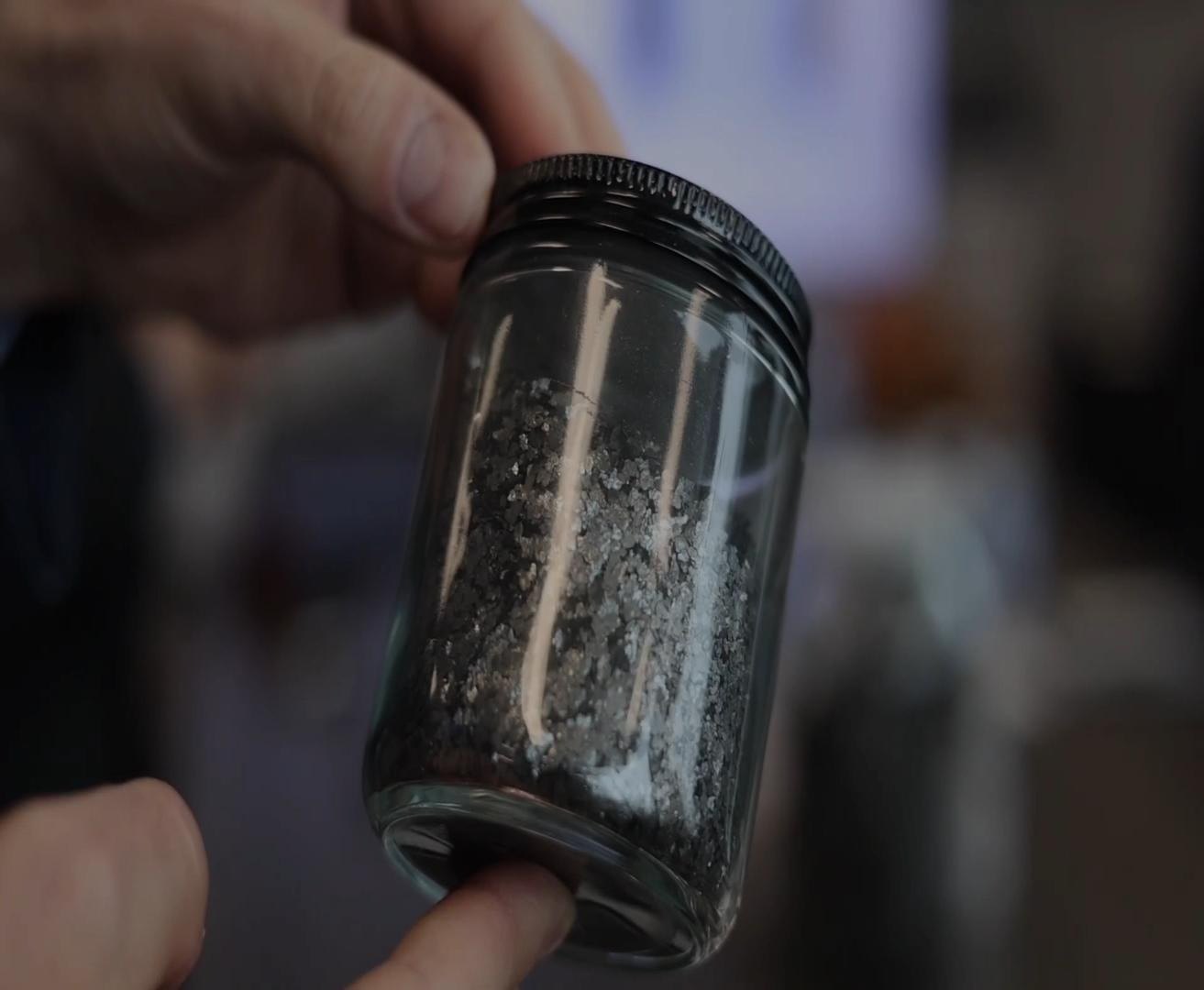
The most recent news release dated December 23, 2025, announces a non-brokered private placement of 5,000,000 units at C$0.035 per unit to raise gross proceeds of C$175,000. Each unit includes one common share and one warrant exercisable at C$0.05 for 24 months. This follows a flurry of activity in early December where the company confirmed its second U.S. patent for dry-separation graphite and reported technical battery results (1,600 cycles for lithium-metal cells). The proceeds are earmarked for IP development, advancement of battery separation technologies, and general working capital.
The $175,000 raise is non-material to the company’s long-term valuation but critical for its immediate survival. Analyzing the historical news, Volt Carbon is in a "pass-the-hat" financing pattern, closing six different financing tranches or amendments since July 2025. - Projections vs. Reality: While the technical milestones (patents and 1,600-cycle battery results) are theoretically positive, they have not yet translated into commercial revenue or a large-scale strategic investment. - Financial Dilution: The company is consistently issuing shares and warrants at prices between $0.02 and $0.035. The latest raise at $0.035 is a slight improvement over previous $0.02 rounds, likely riding the momentum of the December 3 technical update, but the dollar amount is insufficient to fund significant R&D or capital expenditures.
Volt Carbon is a carbon-science company focused on high-performance battery components and "dry" graphite separation. - Flagship Project: The proprietary Air Classifier Technology (for dry-separating graphite without water/chemicals) and the development of lithium-metal batteries. - Facility: Operations are consolidated at a facility in Guelph, Ontario, which houses battery fabrication and graphite processing. - Mining Assets: Holds 100% interest in Mount Copeland (molybdenum) and Lochaber (graphite), though these appear secondary to the technology development.