Suspension of Mining and Processing Activities at the Tucuma Operation
Tucumã suspension threatens Ero’s Q4 copper guidance and cash flow.
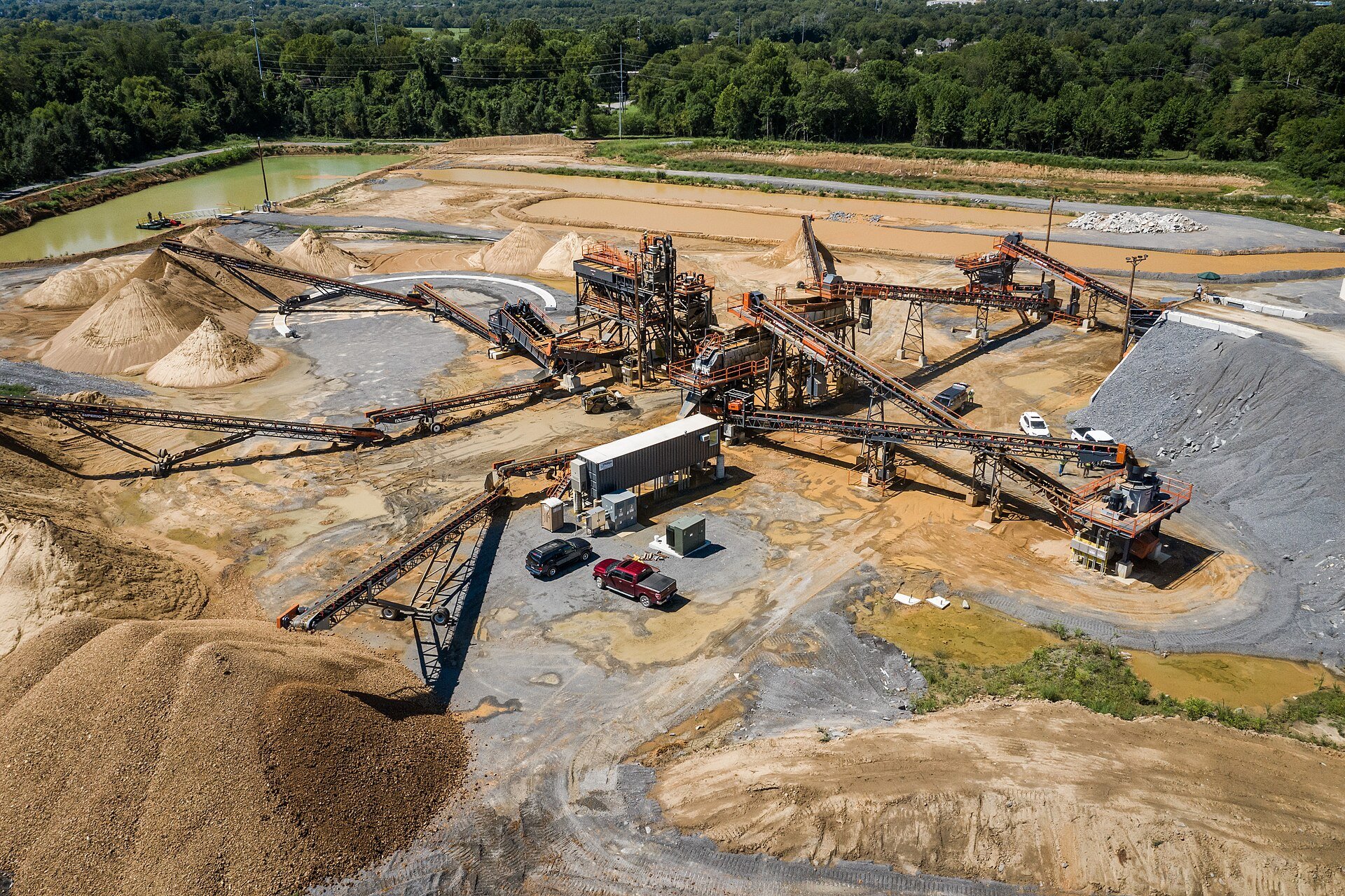
Ero Copper Corp. (ERO) temporarily suspended all mining and processing operations at its Tucumã Operation in Pará, Brazil, on 26 November 2026, following a notice from the Pará State Environment and Sustainability Secretariat (SEMAS). The suspension was triggered by extreme rainfall associated with strong El Niño conditions, which saw peaks exceeding 70 mm/hour. This weather event overwhelmed the surface contact-water sump, resulting in two localized overflow events. Rainfall in the first 20 days of November totaled approximately 275 mm, representing a 170% increase above the normal monthly average.
SEMAS identified anomalous pH readings in local water samples near Tucumã, initially directing a halt to mining activities while allowing processing to continue. Processing has now also been suspended pending remediation efforts. Ero Copper stated it will submit a final remediation plan shortly and expects operations to resume once SEMAS reviews and approves the proposal. The company did not provide a specific restart date or quantify the impact on production, costs, or guidance.
The company reported total fines of approximately US$4.8 million. This includes US$2.9 million (BRL 16.8 million) for the overflow events and US$1.9 million (BRL 10.9 million) for separate fish mortality events near São Félix do Xingu. Ero Copper noted that it has not received supporting documentation for the fish mortality fine and has identified no correlation with the Tucumã operation. The release did not disclose whether force majeure has been declared, if insurance applies, the amount of remediation capital expenditure required, or if 2026 guidance is under review.
Ero Copper Corp. (ERO) has announced an unexpected regulatory and operational halt at Tucumã, one of its two copper mines. During the third quarter of 2026, Tucumã produced 8,958 tonnes of copper, representing 48.8% of the company’s consolidated copper production of 18,345 tonnes. The mine operated at a C1 cash cost of US$2.12/lb, which was materially lower than Caraíba’s US$2.89/lb.
At the Q3 2026 Tucumã run-rate of approximately 97 tonnes per day, every 10 days of full suspension defers roughly 1.0 kt of copper, while a full month implies about 2.9 kt. This illustrative arithmetic, derived from prior-period data rather than company guidance, highlights the significance of a late-November halt for a Q4-weighted guidance year.
The direct fines amount to approximately US$4.8 million, a modest figure against Q3 2026 adjusted EBITDA of US$200.6 million and cash holdings of US$114.1 million. These fines equal roughly 2.4% of quarterly EBITDA and 4.2% of cash. The primary concern, however, lies in lost production, fixed-cost absorption, possible remediation capex, and the absence of a restart date.
The market was already weak leading into the event. Ero closed at US$40.76 on 2 November 2026 following Q3 results and at US$32.11 on 26 November 2026, marking a 21.2% decline. The stock was 42.5% below its 52-week high of US$55.85 and only 4.4% above its 52-week low of US$30.76. The suspension notice was released after the 26 November close, meaning the full event risk is not reflected in that closing price.
Ero Copper Corp. (TSX: ERO, NYSE: ERO) is a Brazil-focused copper and gold producer listed on the Toronto Stock Exchange and the New York Stock Exchange. The company operates the Caraíba copper mine in Bahia, the Tucumã copper mine in Pará, and the Xavantina gold mine in Mato Grosso.
Tucumã began commercial production on 1 July 2025 and serves as a core volume and cost contributor. Caraíba remains the company’s original underground copper operation, while Xavantina adds gold by-product cash flow.
Growth assets include the Furnas copper-gold project in Pará’s Carajás Province, where Ero is earning a 60% interest from Vale Base Metals under a definitive earn-in agreement.