CEO Letter to Aclara Shareholders: 2025 Accomplishments and 2026 Outlook
Aclara pivots to US separation strategy while project economics narrow and capital requirements loom
The CEO Shareholder Letter (December 31, 2025) serves as a year-end validation of the company's "mine-to-magnet" vertical integration strategy. Key 2025 milestones reported include the completion of the Carina Project Pre-Feasibility Study (PFS) in Brazil, the announcement of a US$277 million heavy rare earth (HREE) separation facility in Louisiana (Project Dynamo), and a US$5 million funding commitment from the U.S. International Development Finance Corporation (DFC). For 2026, the company expects to complete Feasibility Studies (FS) for both the Carina project (Q1) and Penco module (Q3), secure environmental permits for Penco (Q1), and commission a metallization pilot plant (Q2). Commercial production for the integrated chain is targeted for 2028.
- Verification of Economics: While the CEO highlights the US$1.1 billion NPV for Carina, a critical comparison with the August 2025 Investor Presentation reveals a significant downgrade. The presentation previously touted a US$2.2 billion NPV and 33% IRR for Carina; the actual PFS released in November 2025 showed US$1.1 billion and 22% IRR. This 50% reduction in projected value suggests rising cost estimates or more conservative recovery modeling.
- Strategic Pivot: The decision to build separation and metallization capacity in the U.S. and through a JV with CAP S.A. moves Aclara from being a simple miner to a critical technology provider. This increases potential valuation multiples but exponentially increases capital risk.
- Government De-risking: The US$46.4 million in Louisiana state incentives and the DFC partnership are material positive indicators of Western geopolitical support, though they cover only a fraction of the total US$1.2 billion capex requirement.
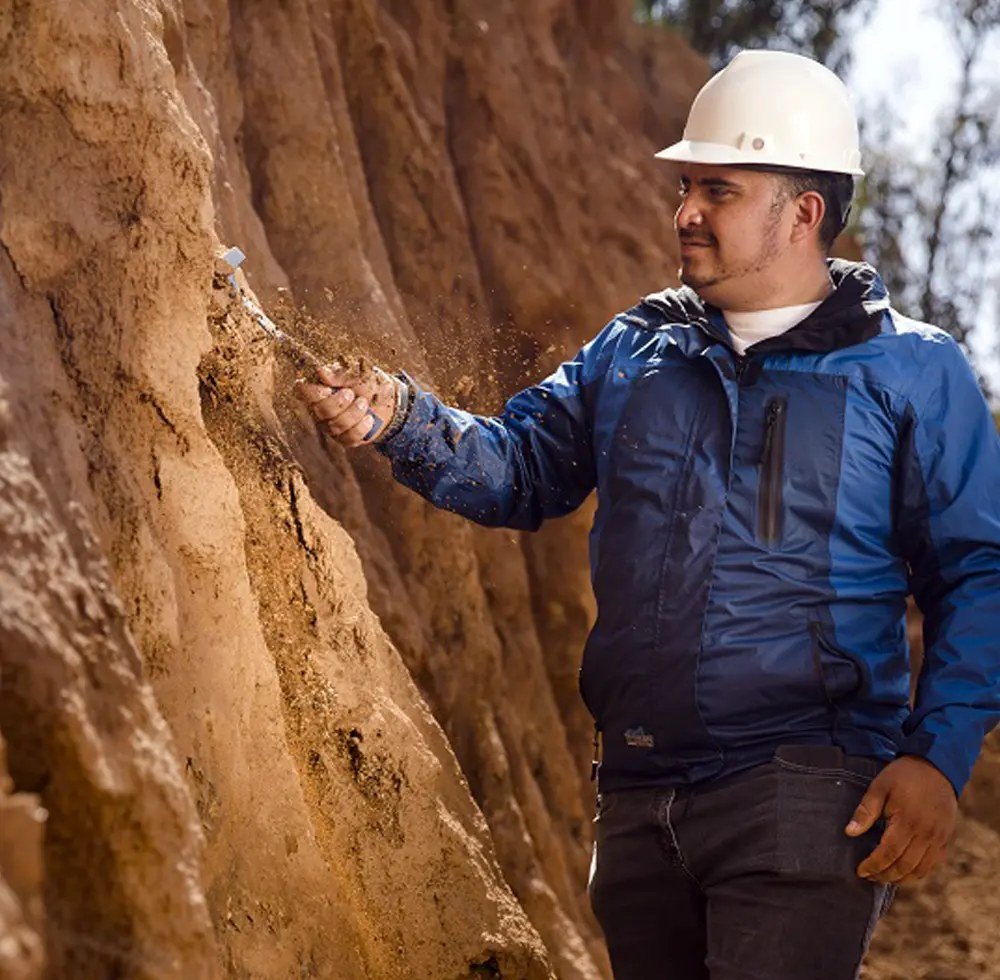
Aclara is developing two primary ionic clay heavy rare earth deposits: the Carina Project (Goiás, Brazil) and the Penco Module (Biobío, Chile). Unlike hard-rock deposits, ionic clays allow for "Circular Mineral Harvesting," a patented process that avoids explosives and tailings dams, recirculating 95% of water. Carina is the flagship, with a 236 Mt Indicated Resource and a projected 18-year mine life, focused on Dysprosium (Dy) and Terbium (Tb).