Neo Partners with Greenland Mines to Advance Sarfartoq Rare Earth Project
Neo Sheds Greenland Asset, Taps Markets for $100M to Fuel European Rare‑Earth Magnet Dominance
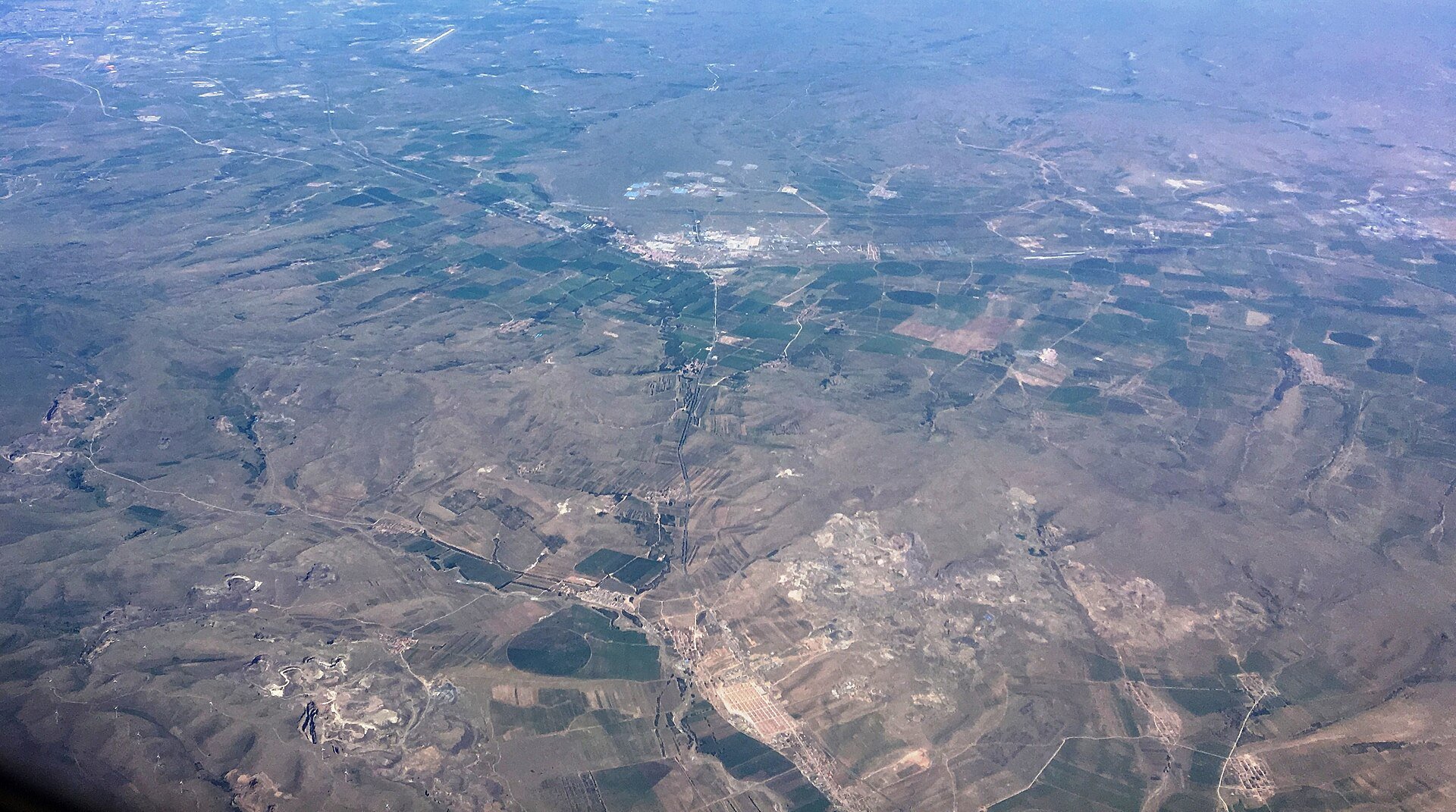
Neo Performance Materials released two concurrent announcements on May 20, 2026. The first is a C$100 million bought‑deal equity offering of 3.48 million common shares at C$28.75, led by BMO Capital Markets. Net proceeds will be used to automate European facilities, expand the bonded magnetics business, and for general corporate purposes. The second is a definitive merger agreement to transfer its Sarfartoq Carbonatite Complex in Greenland to Greenland Mines Ltd. for total consideration of US$35 million (US$20 million cash and US$15 million in Greenland Mines shares). Neo’s subsidiary currently holds 43.69% of the project entity; following the merger Neo will retain an equity stake in Greenland Mines and maintain an existing MOU for an offtake on up to 60% of future production.
The announcements cap a period of strong operational momentum. On May 12, the company reported record Q1 2026 results with Adjusted EBITDA of $36.2 million (up 111% YoY) and raised its full‑year 2026 EBITDA guidance to $100‑110 million, up from $75‑80 million. Earlier milestones in 2026 include commissioning a heavy rare‑earth element (HREE) pilot separation line at the Silmet facility in Estonia (April 10), a multi‑year AI research partnership with Tallinn University of Technology (May 7), and the one‑millionth magnet produced at the European Permanent Magnet facility (March 19). The company’s Q4 2025 earnings (March 19) had already beaten guidance, and a non‑binding circular‑economy MOU with Cyclic Materials was signed in March 2026.
The twin announcements are genuinely new and market‑moving, collectively qualifying as material positive. The Sarfartoq divestiture allows Neo to exit a capital‑intensive exploration asset and re‑deploy capital into its high‑return midstream/downstream operations, consistent with CEO Rahim Suleman’s stated strategy of focusing where the company “creates the most value.” The deal crystallizes immediate cash value while retaining optionality through an equity interest in the acquirer and a potential offtake, insulating Neo from future development risk.
The C$100 million bought deal, priced just below the pre‑announcement close of $30.39, is modestly dilutive but will substantially de‑lever the balance sheet and fund automation and capacity expansion that aligns with the upgraded 2026 guidance. The market reaction was muted—stock fell from $30.39 to $31.01 on the day, indicating the dilution and asset sale were digested as a net positive realignment of capital, not a shock.
In the context of record Q1 results (Adjusted EBITDA more than doubling YoY) and a guidance raise just eight days earlier, the asset sale and financing reinforce the company’s pivot toward a vertically integrated, Europe‑centric rare‑earth magnetics value chain. The old upstream bet is being monetized to double down on a demonstrated growth engine. No prior leaks or expectations existed for either transaction, so the news brings unexpected clarity.
Neo Performance Materials is a midstream and downstream advanced materials company operating three segments: - Magnequench: Produces magnetic powders and bonded magnets used in automotive, factory automation, and consumer electronics. The flagship project here is the European Permanent Magnet facility in Estonia, which began production in 2025, has already produced over one million magnets, and is scaling toward 5,000 mt/year capacity with a secured MOU from Bosch. - Chemicals & Oxides: Rare‑earth processing, emission catalysts, and water treatment chemicals. The Silmet plant in Estonia hosts the newly commissioned small‑scale heavy rare‑earth separation line, which will produce dysprosium and terbium. - Rare Metals: Refines and sells high‑purity hafnium, gallium, tantalum, and other critical metals, primarily to aerospace and electronics industries. The Sarfartoq Carbonatite Complex in Greenland was the company’s upstream rare‑earth deposit; its divestiture completes the transition to a pure‑play processing and advanced materials company focused on Europe’s critical minerals supply chain.