NOA Lithium Reports Average Lithium Concentration of 651 Milligrams Per Litre at a Drilled Well at Rio Grande
NOA brine sampling confirms 651 mg/L lithium at Rio Grande, advancing the project’s pre-feasibility study timeline.
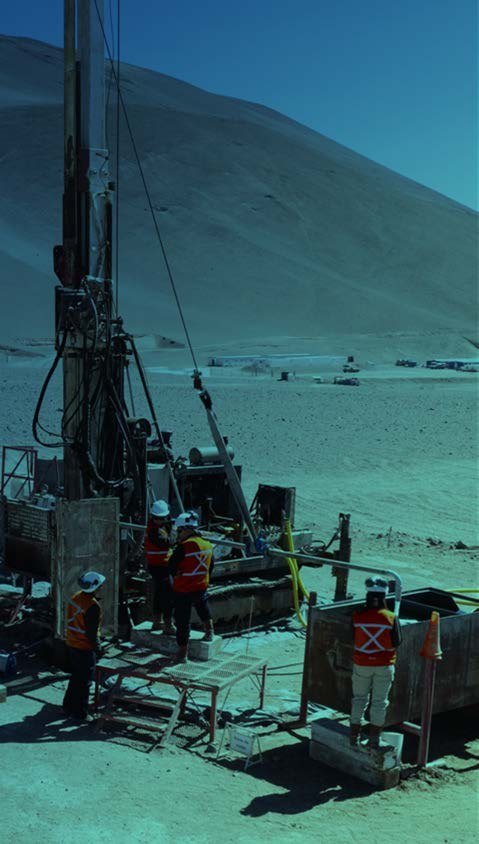
NOA Lithium Brines Inc. (NOAL) has reported laboratory results from eight pumped-brine samples collected at well RT-RG26-PW002 at its Rio Grande Project in Argentina. The samples averaged 651 milligrams per litre (mg/L) of lithium.
The well is completed with 142 meters of screened casing distributed across productive brine-bearing levels at a depth of approximately 404 meters. Laboratory analysis was conducted by Alex Stewart International using ICP-OES methodology, with standard QA/QC protocols including blank and duplicate samples.
These chemical data complement previously reported hydraulic performance data from September 2026, which showed pumping rates up to 25 L/s and a recommended operating rate of 20 L/s. The results are part of the company's 2026 exploration program aimed at evaluating deep brine-bearing aquifers and refining hydrogeological models ahead of the Preliminary Feasibility Study (PFS).
CEO Gabriel Rubacha stated the results confirm positive initial assessments and reinforce confidence in the project's potential, marking an important step in building the technical foundation for the next stage of studies.
The reported lithium concentration of 651 mg/L aligns with the project's resource model, which averages 525 mg/L, and exceeds the baseline assumptions used in the Preliminary Economic Assessment (PEA).
This incremental data de-risks the hydrogeological model and supports the ongoing Preliminary Feasibility Study (PFS) workstream. The update does not introduce new financial terms, strategic partnerships, or regulatory breakthroughs. The market likely viewed this as an expected follow-up to the September pumping test results.
NOA Lithium Brines Inc. operates as a pre-development lithium brine company centered on the Lithium Triangle in Salta, Argentina. Its flagship Rio Grande Project encompasses approximately 37,000 hectares and hosts an estimated 4.7 million tonnes of lithium carbonate equivalent (LCE), including 2.66 million tonnes within the Measured and Indicated resource categories. The project features an average lithium concentration of 525 mg/L.
Situated at an advanced exploration and early development stage, the company completed a preliminary economic assessment (PEA) in late 2025. The study outlined a two-stage production plan, each stage producing 20,000 tonnes per annum (tpa) for a total capacity of 40,000 tpa. The assessment highlighted strong economic metrics, projecting a 27.3% pre-tax internal rate of return (IRR) based on a lithium price assumption of $24,000 per tonne. The company is currently advancing toward a pre-feasibility study (PFS).
The company’s portfolio also includes the Arizaro Salar, covering approximately 78,000 hectares, and the Salinas Grandes Salar, spanning roughly 10,200 hectares. The Arizaro project is subject to a joint venture option agreement with Summit Explore Corp. In contrast, the Salinas Grandes asset was fully impaired in the first quarter of 2026 due to a lack of foreseeable exploration plans.
Infrastructure and permitting for the Rio Grande Project are supported by Argentina’s RIGI incentive regime, which provides tax stability, reduced export duties, and enhanced foreign exchange management flexibility.