Spartan Metals Provides Encouraging Drill Assay Results for Tungstonia Tailings at its Eagle Project, Nevada
Spartan Metals reports surface-level tailings success while navigating volatile price action and aggressive promotional shifts.
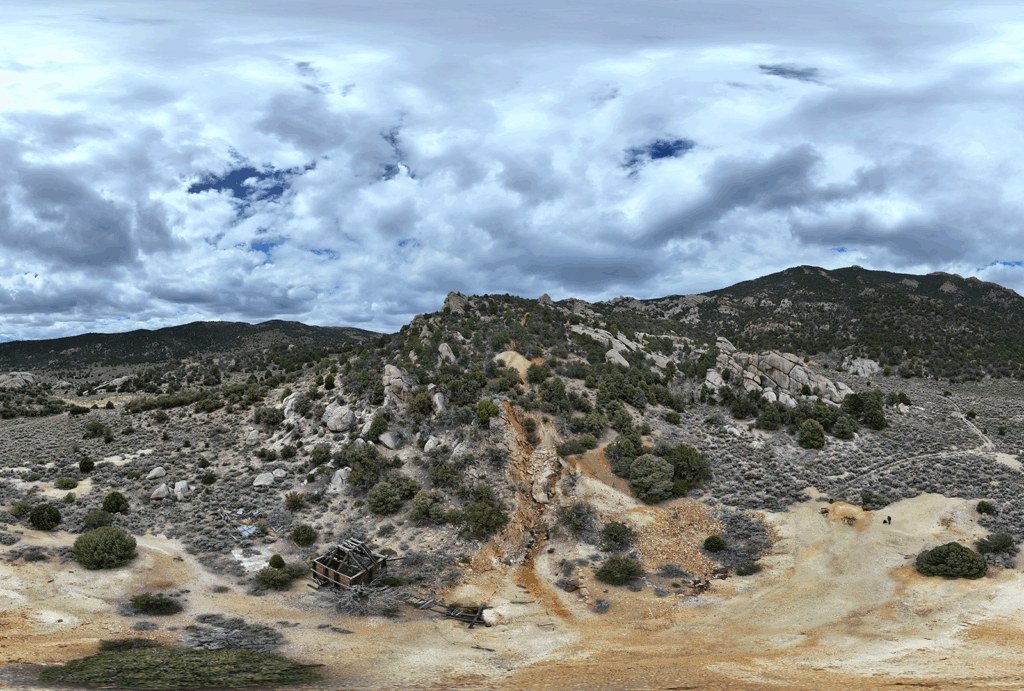
The most recent news (December 18, 2025) provides assay results from a 34-hole auger drilling program targeting the historical Tungstonia tailings at the Eagle Project in Nevada. The program was extremely shallow, totaling only 67 meters (averaging less than 2 meters per hole). Results showed a weighted average grade of 0.13% WO3, 10.6 g/t Ag, and 626 ppm Rb. Individual "high-grade" highlights reached up to 0.42% WO3 and 123 g/t Ag. Management is framing these results as a potential contribution to the U.S. domestic critical metal supply chain, with metallurgical results expected in early 2026.
The impact is categorized as Routine - Positive. While the news confirms mineralization within the legacy tailings, the materiality is limited by the following: - Depth Constraints: An average hole depth of ~2 meters indicates this is strictly a surface waste characterization study, not an exploration of the underlying bedrock system. - Grade Profile: A 0.13% WO3 average is modest. While potentially economic if the material is already "crushed" and on surface, it does not significantly alter the company's valuation compared to the potential of the primary vein system. - Expectation Alignment: These results are in line with historical production data (0.6% to 1.0% historic grades) which would naturally leave lower-grade residues in tailings. - Patriotic Rhetoric: The heavy emphasis on "military family" and "national security" in the press release suggests a strategic pivot toward ESG/Defense-related marketing rather than purely technical milestones.
Spartan Metals is focused on critical minerals (Tungsten, Rubidium, Antimony) in the Western US. - Flagship Project: The Eagle Project (White Pine County, Nevada). - Property Status: 100% owned, includes the past-producing Tungstonia mine (active 1917–1956). - Geology: Quartz-huebnerite veins hosted in granite, with potential for Carbonate Replacement Deposits (CRD) at the contact zones.