Sigma Lithium Resumes Sales of High-Grade Premium Lithium Oxide; Closes Inaugural Sale at Plant of 400,000t of High-Purity Low Grade Fines Expecting a US$20 Million Profit
Sigma Lithium pivots to profitability by monetizing waste streams and resuming high-grade production amid operational restructuring.
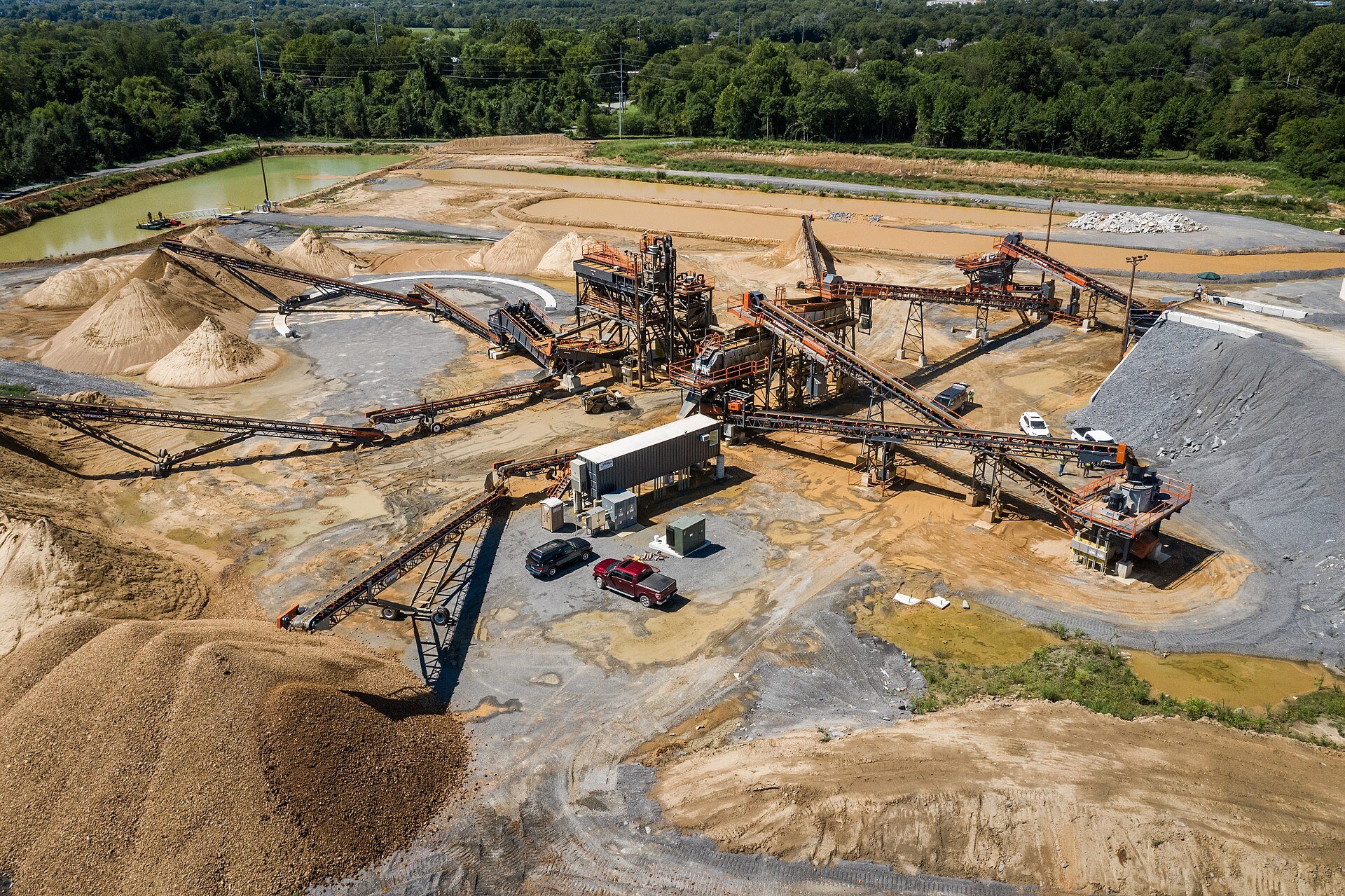
The most recent news (March 20, 2026) confirms that Sigma Lithium has successfully resumed sales of its high-grade premium lithium oxide in Q1 2026. Crucially, the company closed its inaugural sale of 400,000 tonnes of high-purity lithium fines (previously considered a low-grade byproduct) at a fixed price of US$50/t. This single transaction is expected to generate US$20 million in profit. Furthermore, the company expects gross revenues of US$47.8 million from the sale of 28,000 tonnes of premium concentrate at a grade-adjusted price of US$1,712/t.
This news is a significant positive development for several reasons: - Liquidity Infusion: The US$20 million profit from fines, combined with the US$47.8 million in gross revenue from concentrate, provides a critical cash injection. As of Sept 30, 2025, the company had only US$6.1 million in cash. - Inventory Monetization: The company still holds 300,000 tonnes of fines, which it expects will generate at least another US$15 million in profit. This effectively turns a waste stream into a high-margin revenue pillar. - Operational Validation: The resumption of sales at "industrial production cadence" suggests the 2025 restructuring and mining remobilization (completed Jan 2026) are functioning as intended. - Price Realization: Achieving US$1,712/t for premium concentrate is a massive improvement over the US$586/t realized in Q3 2025, reflecting both market recovery and product quality.
Sigma Lithium operates the Grota do Cirilo project in Minas Gerais, Brazil. It is one of the world's largest lithium spodumene operations. The flagship project is characterized by its "Greentech" plant, which uses 100% renewable energy, 100% recycled water, and dry-stacks tailings (eliminating hazardous dams). The project is currently in Phase 1 production (270k tpy nameplate) with Phase 2 expansion (to 520k tpy) in the planning stages.