Arizona Metals' Final Sugarloaf Peak Drill Results Demonstrate Robust Expansion and Continuity
Arizona Metals solidifies Sugarloaf Peak continuity while Kay Mine PEA looms as the ultimate valuation catalyst.
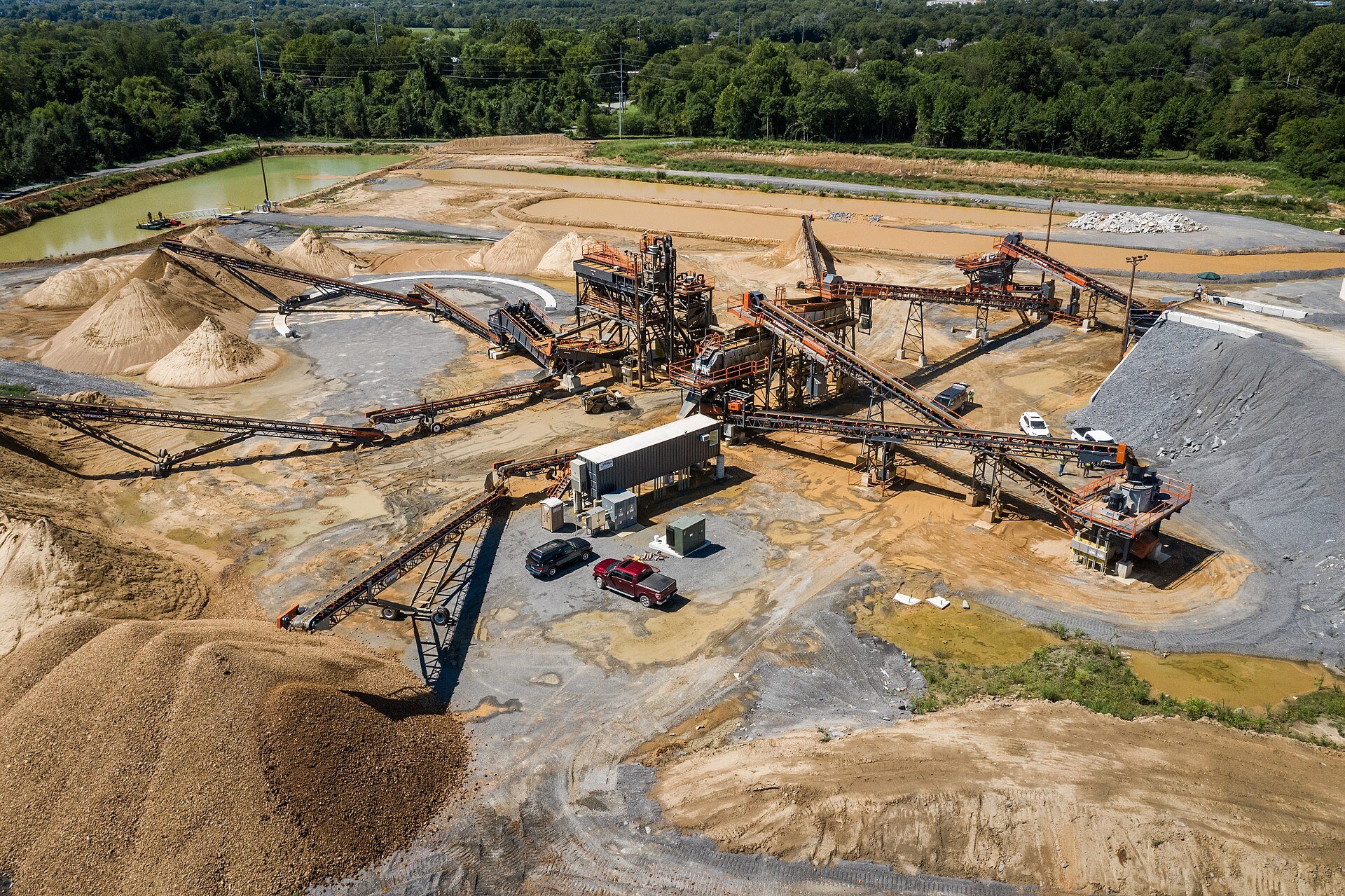
The most recent news (March 2, 2026) reports the final drill results from the 2025 program at the Sugarloaf Peak Gold Project. Key highlights include hole SP-25-28, which intersected 91.4m at 0.69 g/t Au, including a high-grade spike of 1.5m at 25.5 g/t Au. This represents the highest gold grade ever recorded at the project. The program successfully intersected mineralization in 22 of 25 holes, confirming lateral expansion and vertical continuity. Metallurgical updates indicate favorable recoveries, with column leach tests reaching up to 90% for oxide and 85% for sulfide zones using low-cost flow sheets.
The impact is Routine - Positive. While the high-grade intercept (25.5 g/t Au) is visually impressive, it is over a very narrow width (1.5m) within a bulk-tonnage, low-grade system (0.5 g/t Au historic estimate). - Continuity: The news is material in terms of de-risking the "bulk-tonnage" thesis for Sugarloaf Peak, as it confirms the deposit is predictable and expanding. - Metallurgy: The 85-90% recovery rates are the most significant technical takeaway, as they suggest the project could be economically viable despite the low average grade. - Relative Importance: This news is secondary to the Kay Mine Project. While Sugarloaf adds "optionality," the market is primarily valuing AMC based on the high-grade VMS Kay Deposit. The news confirms Sugarloaf is a viable second act but does not fundamentally change the company's immediate valuation floor, which is tied to the upcoming Kay PEA.
Arizona Metals Corp. is focused on two 100%-owned projects in Arizona. - Kay Mine (Flagship): A high-grade VMS deposit. The June 2025 MRE showed 9.28Mt at 3.18% CuEq (Indicated). It is a polymetallic asset (Au, Zn, Cu, Ag, Pb). - Sugarloaf Peak: A large, low-grade, bulk-tonnage gold target with a historic estimate of 1.5Moz Au. It is being positioned as a potential open-pit, heap-leach operation.