Lode Gold delays RTO closing until Feb. 18
Lode Gold Teeters on Insolvency as One-Day Spin-Out Delay Overshadows Looming Legal Claims and $6 Million Working Capital Void
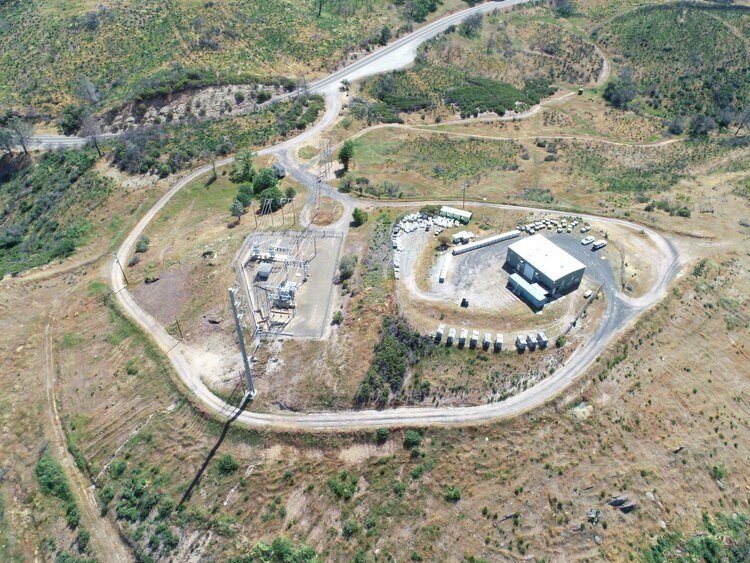
The most recent news release on February 17, 2026, announces a minor delay in the closing of the reverse takeover (RTO) transaction for Lode Gold's subsidiary, Gold Orogen. The closing and subsequent listing on the Canadian Securities Exchange (CSE) are now effective February 18, 2026. This transaction involves a plan of arrangement where Lode Gold shareholders will receive 0.5739 shares of Gold Orogen (trading as OROG) for every common share of Lode Gold held. The RTO involves Great Republic Mining. Concurrently, the company provided a project summary for its remaining assets, primarily the Fremont Gold Mine in California and the Dingman property in Ontario.
The impact of the most recent news is neutral. A one-day administrative delay for a complex RTO and spin-out is not unusual and does not change the fundamental value proposition. However, this news must be viewed alongside the February 13, 2026, disclosure of a legal claim filed by a business partner of the subsidiary seeking compensation over contractual disagreements. While the company has initiated permitting for a 1,500-meter drill program at Fremont, the structural separation of assets into Lode Gold (USA/Fremont) and Gold Orogen (Canada/Exploration) is now the primary driver of shareholder value.
Lode Gold (formerly Stratabound Minerals) is focused on orogenic gold systems. - Flagship Project: Fremont Gold Mine (California). This is a brownfield project on 3,351 acres of private land on the Mother Lode Belt. - Resources: 1.16 Moz Indicated (1.90 g/t) and 2.02 Moz Inferred (2.22 g/t). - Strategy: Pivoting from an open-pit concept to a high-grade underground bulk mining scenario. Historical mining at the site reached grades of 8 g/t before being halted in 1942 due to WWII. - Canadian Assets: Dingman (Ontario), and the Yukon/New Brunswick assets (now being spun out into Gold Orogen).