Second Government Critical Mineral Study Begins at Bell Copper's Big Sandy Porphyry Copper Project in Arizona, USA
None
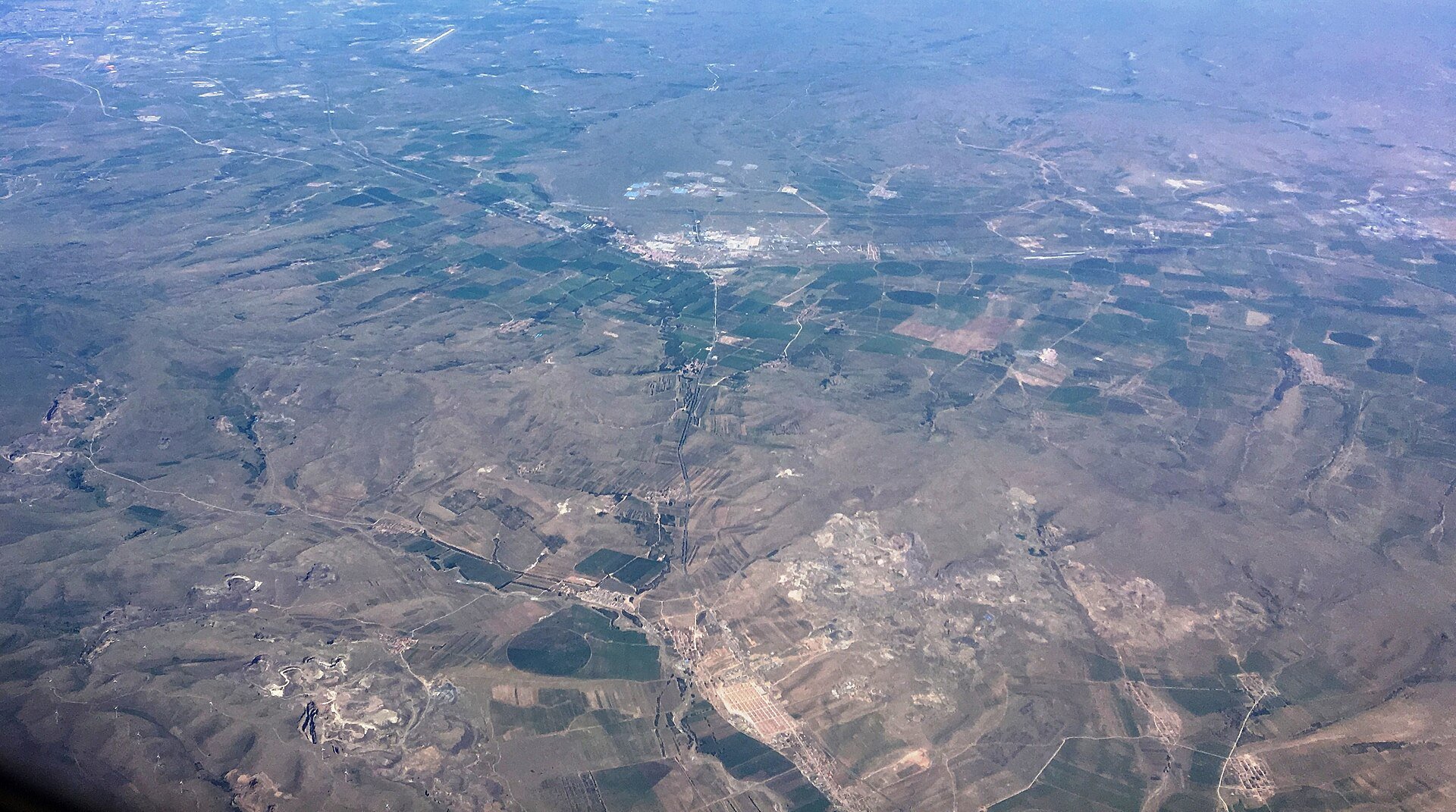
The most recent news release dated October 17, 2025, states that a second government-funded critical mineral study has commenced at Bell Copper's Big Sandy porphyry copper project in Arizona, USA. The Arizona Geological Survey (AZGS) at the University of Arizona, with funding from the United States Geological Survey and the State of Arizona, is conducting this study to assess potential new resources of critical minerals. Bell Copper Corporation has contributed core samples from its 100% owned Big Sandy project for the research. The study components include thermochronology and Ar-Ar geochronology, as well as detailed sampling to quantify elemental/critical mineral presence. Copper, Rhenium, and Silver, which are included on the U.S.G.S. 2025 Draft List of Critical Minerals, have been identified in the core. The CEO expressed pleasure in contributing samples, highlighting Big Sandy's unique complete profile from leached capping to supergene enrichment in an unmined deposit.
Crucially, the news also states that the company "continues securing funding to complete drilling," specifically for drill hole BS-4, which has been "suspended in August 2024." This indicates that, despite the ongoing critical minerals study, the company's core exploration activities remain stalled due to a lack of funding.
This news is a routine update on an ongoing scientific collaboration. While the identification of Copper, Rhenium, and Silver as critical minerals and their inclusion on the USGS draft list is technically positive, it does not represent new, groundbreaking discoveries beyond what has been previously communicated (e.g., the December 11, 2024 news already mentioned AZGS collaboration and critical minerals like copper, molybdenum, rhenium, and antimony). The primary takeaway from this release, from a critical investor's perspective, is the explicit confirmation that drilling for drill hole BS-4 remains suspended due to the company's inability to secure funding. This reinforces the significant financial distress detailed in recent financial statements.
Comparing this to previous news: * The December 11, 2024 news already detailed the AZGS collaboration, the involvement of the University of Arizona, and the focus on critical minerals, along with specific geological findings from drill hole BS-3. It also mentioned the "drilling lull since August" (2024) and the company's efforts to secure strategic financing. * The current news reiterates these points without providing a resolution to the core issue of funding for drilling. The critical mineral study is being conducted by external parties with external funding, not by Bell Copper using its own resources, which are extremely limited.
Therefore, while the study provides external validation of the project's potential, it does not alleviate the company's immediate and critical need for capital to advance its primary exploration work. The market has not reacted significantly to this type of news in the past, and it is unlikely to change the overall negative sentiment driven by the company's financial position. The emphasis on "securing funding" for drilling that was suspended over a year ago is a major red flag, indicating a lack of progress on a fundamental operational front.
Bell Copper Corporation is a mineral exploration company focused on the discovery and development of large-scale, concealed porphyry copper deposits. Its flagship project is the Big Sandy porphyry copper discovery located in northwestern Arizona, USA. The company also holds the Perseverance (formerly "Kabba") property, approximately 30 kilometers from Big Sandy.
The Big Sandy project is notable for its drill hole BS-3, which intersected 200 meters of chalcocite-bearing porphyry. Recent scientific collaborations with the Arizona Geological Survey (AZGS) and the University of Arizona have provided further geological insights, suggesting a genetic link between Big Sandy and the Diamond Joe porphyry root, and identifying critical minerals like copper, rhenium, silver, molybdenum, and antimony within the core samples. The project is described as having a unique complete profile from leached capping through supergene enrichment in an unmined porphyry deposit.
Despite the geological promise and ongoing research, the company has struggled significantly with financing its core exploration activities. Drilling, specifically for drill hole BS-4, has been suspended since August 2024 due to a lack of funding, indicating a critical operational bottleneck.