Lion One Announces Start of Phase 1 Plant Expansion from 300 TPD to 400 TPD with Filter Press Upgrade
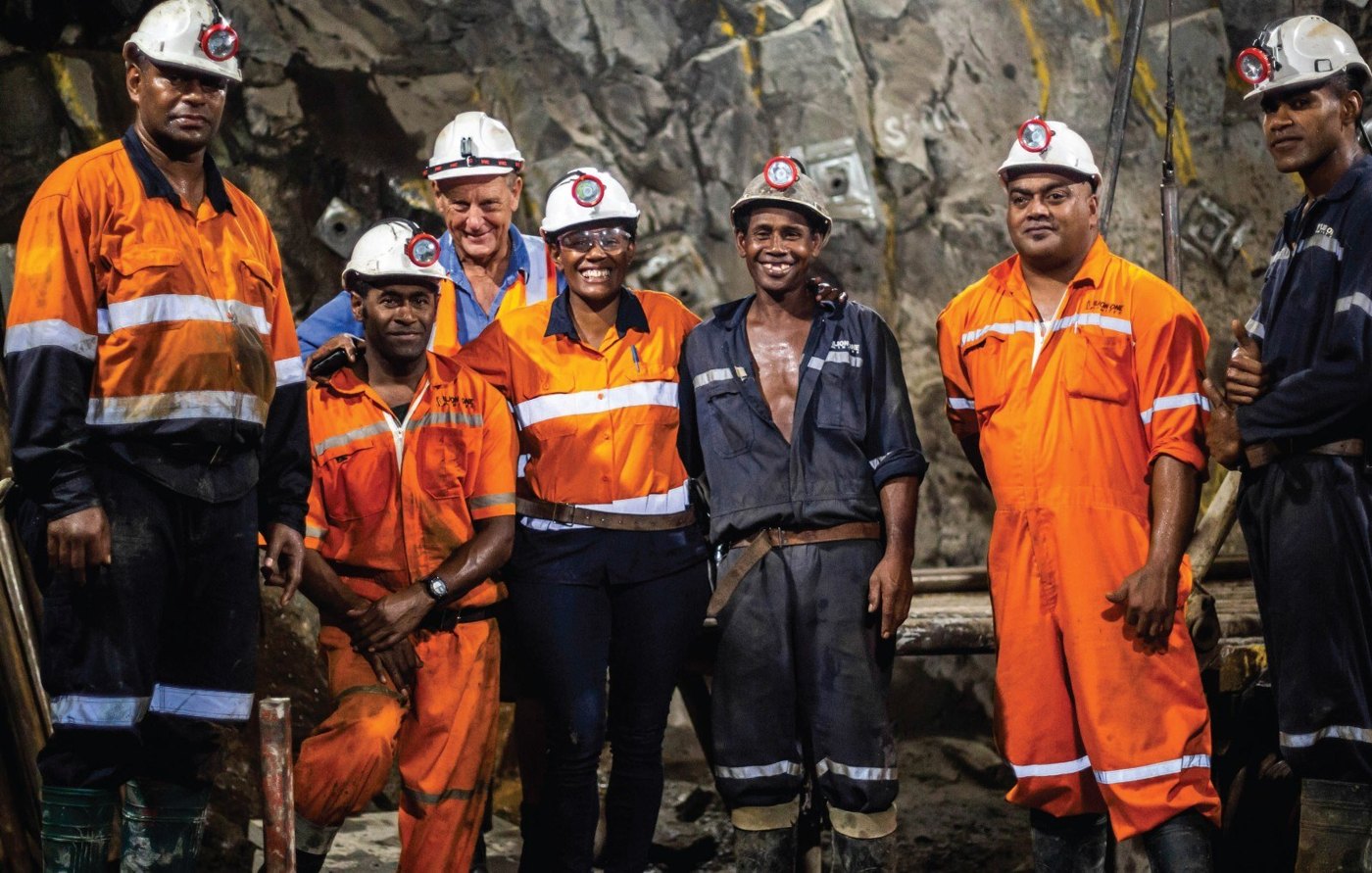
Lion One Metals Limited has commenced Phase 1 of a planned mill expansion at its Tuvatu gold mine in Fiji. The initial phase involves a C$1.9 million filter press upgrade designed to increase nominal mill capacity from 300 to 400 tonnes per day (TPD). This improvement is expected to add an estimated 2,100 ounces of gold production annually.
The project is projected to pay back within three months at a gold price of US$4,000 per ounce. Construction is scheduled to take between six and nine months, with completion targeted by the end of the first quarter of calendar year 2027. This Phase 1 initiative is part of a broader expansion previously announced, which ultimately targets a capacity of 700 TPD at a total capital cost of C$13.5 million. No new funding disclosure accompanied the announcement.
Lion One Metals Limited (LIO) has announced a Phase 1 filter press expansion, a small incremental improvement with a very short payback period. The project adds 2,100 oz/year of production, with first production still 6–9 months away.
The company remains in a precarious financial position, having defaulted on its senior secured facility and breached its working capital covenant. It recently completed a dilutive financing to stay afloat. In this context, the C$1.9M capital project does not materially change near-term liquidity or solvency risks. The news reinforces the narrative that management is attempting to boost output, but it does not alter the risk profile.
The stock reaction has been muted, with the share price oscillating around $0.14 for the past week. This movement is consistent with either no new information or broadly expected news. The market already absorbed a more meaningful production rebound in the July 9 release.
Lion One Metals Limited (LIO) is a Canadian-listed junior gold producer focused on the 100%-owned Tuvatu alkaline gold project in Fiji. The operation consists of an underground narrow-vein mine, a 300 tpd pilot plant, an on-site assay lab, and a large exploration land package covering the Navilawa caldera. The company transitioned to production without a reserve-based feasibility study, resulting in higher technical risk. While the project has shown bonanza-grade drill intercepts, it has struggled with operational consistency.