LABRADOR IRON ORE ROYALTY CORPORATION (TSX:LIF) - RIO TINTO RELEASES IOC PRODUCTION AND SALES INFORMATION
Labrador Iron Ore faces weak Q2 production and forest fire risks that cloud its low-end guidance, leaving its dividend yield as the sole support.
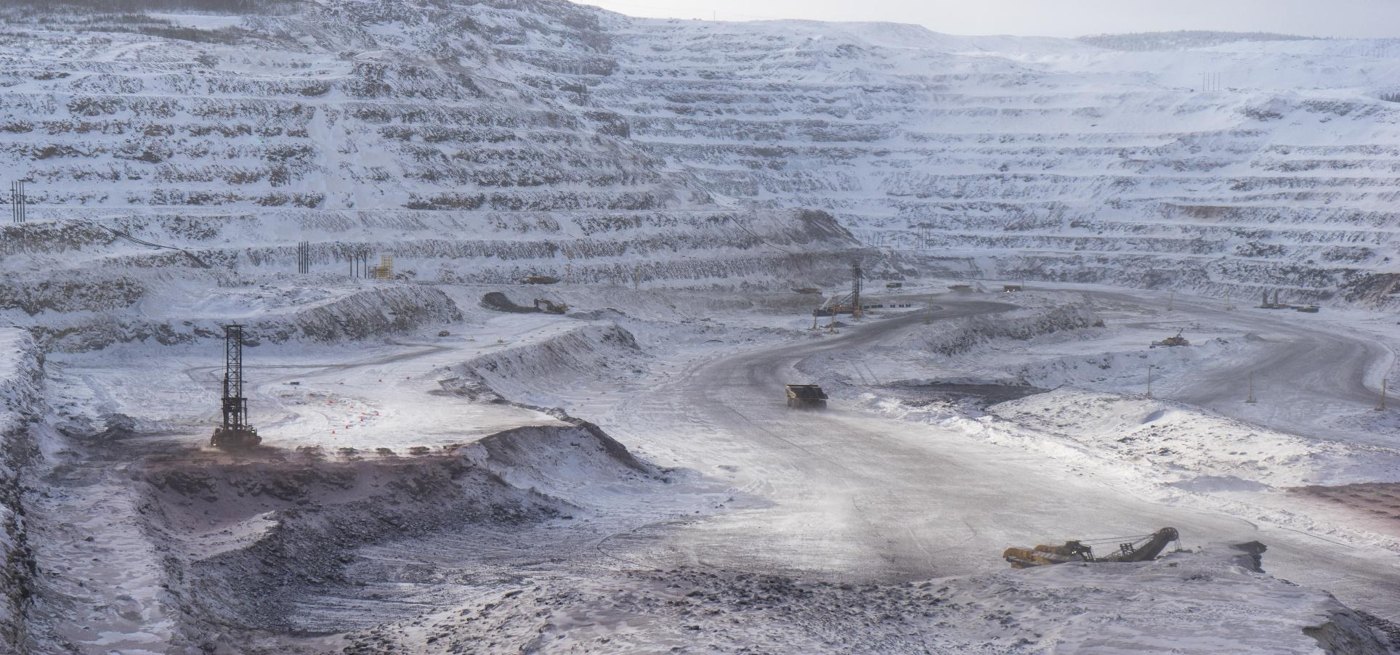
IOC reported second-quarter 2026 saleable iron ore production of 2.92 million tonnes, comprising 2.17 million tonnes of pellets and 0.75 million tonnes of coarse fines (CFS). Sales for the period totaled 3.16 million tonnes, consisting of 2.05 million tonnes of pellets and 1.11 million tonnes of CFS.
Production declined 15% from 3.44 million tonnes in the first quarter of 2026 and fell 31% compared to 4.24 million tonnes in the second quarter of 2025, with pellet output proving particularly weak. Rio Tinto reaffirmed its full-year 2026 production guidance for IOC at 15–18 million tonnes, noting that this target remains subject to the impact of recent forest fires, which are currently being monitored and evaluated.
Labrador Iron Ore Royalty Corporation is scheduled to release its full second-quarter report after market close on August 5, 2026.
Rio Tinto released a routine quarterly production update for Labrador Iron Ore Royalty Corporation (LIF). Second-quarter production was materially weaker than both the prior quarter and the prior year, and operational risks from forest fires have entered the public domain.
The full-year guidance range has not been cut. The market had already been primed for the low end of 15Mt by LIORC’s own commentary in May. The share price has been declining from approximately $29 in early June to $27.20, suggesting the weak Q2 numbers were largely discounted.
Labrador Iron Ore Royalty Corporation (LIORC) is a pure-play iron ore royalty and equity investment vehicle tied to the Iron Ore Company of Canada (IOC), a major producer of high-grade (>65% Fe) pellets and concentrate in Labrador. LIORC owns a 15.1% equity interest in IOC, a 7% gross overriding royalty on all IOC production, and a $0.10/t commission. IOC is operated by Rio Tinto and has a nominal capacity of 23Mt concentrate and 12.5Mt pellets, but has consistently underperformed due to pit health and equipment reliability issues. Reserves stand at 966Mt, supporting ~20 years of production.