ALPHAMIN ANNOUNCES RECORD Q2 EBITDA GUIDANCE OF US$167 MILLION/EXPLORATION UPDATE
Alphamin reported record EBITDA driven by higher tin prices, though flat production and rising AISC costs constrained potential upside surprises.
Alphamin Resources Corp. (AFM) released preliminary second-quarter 2026 financial guidance and an exploration update on July 13, 2026. The company projects record EBITDA of US$167.3 million, a 6% increase from the prior quarter, driven by a 5% rise in the average realized tin price to US$51,957 per tonne. Production remained essentially stable at 5,013 tonnes of contained tin produced and sold, aligning with the annualized run-rate of approximately 20,000 tonnes.
All-in sustaining costs (AISC) increased 6% quarter-over-quarter to US$19,043 per tonne sold. The company’s net cash position decreased to US$90.7 million from US$140 million at the end of the first quarter, following US$160 million in shareholder distributions and US$26 million in corporate tax payments.
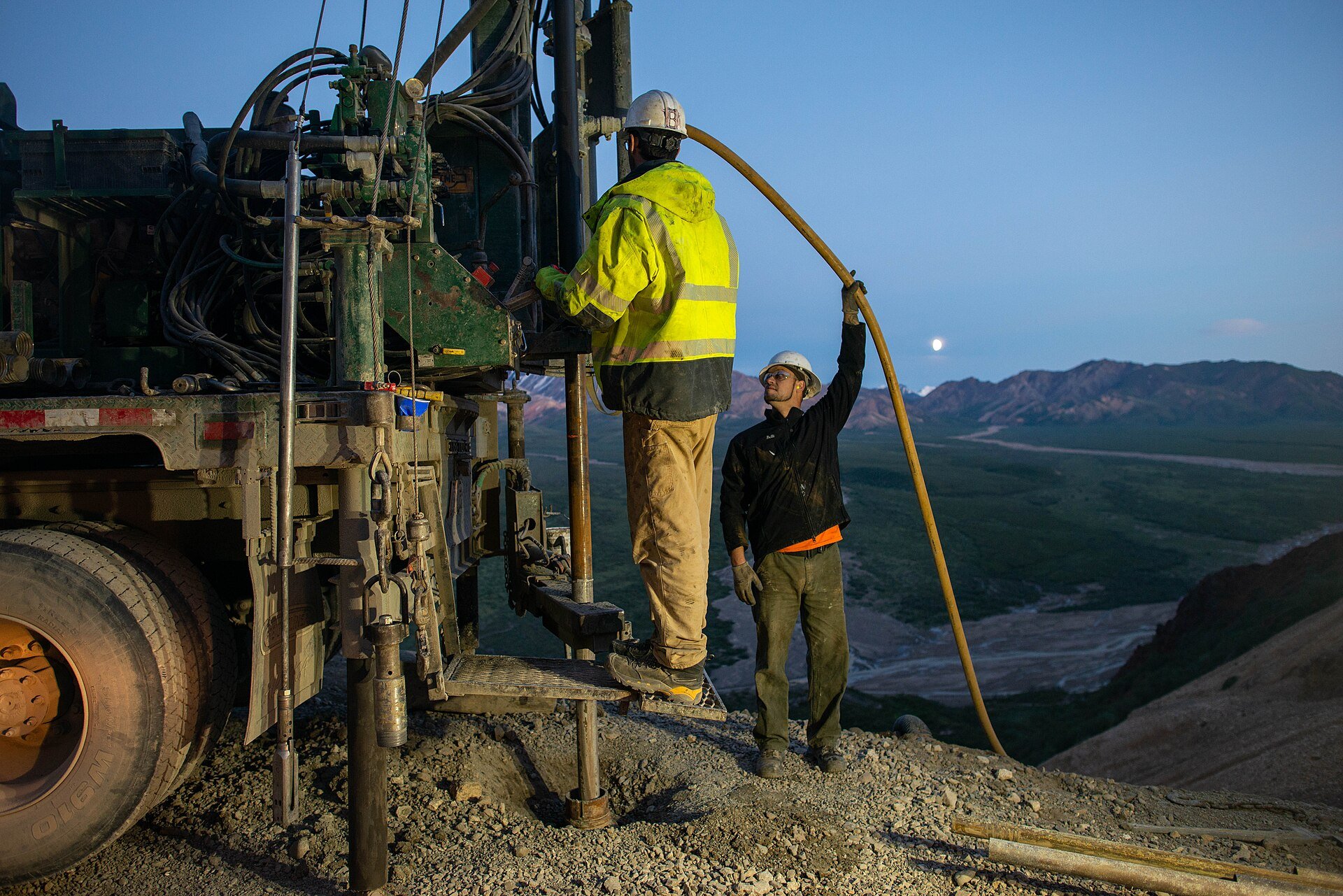
In exploration news, drilling at Mpama North and Mpama South intersected significant visible cassiterite. Highlights include the deepest such intersection recorded at Mpama North and a 19.29-meter interval at Mpama South. Assays for these specific holes are currently pending.
Alphamin Resources Corp. (AFM) confirmed that its operation continues to execute on its annual production plan while benefiting from elevated tin prices. The company’s second-quarter EBITDA record was driven by a well-telegraphed tin price rally, with production remaining unchanged. The market has already repriced the stock upward over the past quarter, moving from C$1.27 to C$1.52 in anticipation of strong earnings. This release adds little incremental content beyond exploration excitement, which remains in the pre-assay stage.
Alphamin Resources Corp. owns and operates the Bisie tin mine in North‑Kivu Province, DRC, which stands as the only industrial mine in that province. The complex comprises Mpama North, the original underground mine, and Mpama South, a second underground mine that is now fully operational. A processing plant merges feed from both mines to achieve a blended grade of approximately 3% Sn with a combined capacity of up to 25,000 t contained tin per year. The company targets annual production of approximately 20,000 t contained tin and has seen its global mined tin market share rise from 4.3% to 6.5% after the expansion.